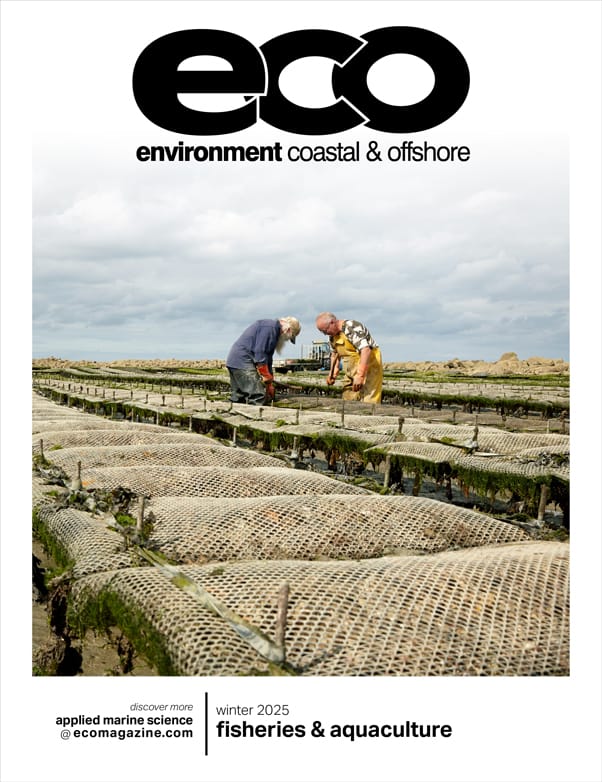
In this dynamic role, you will split your time between the Marine Fish Science Forage Fish team (December–June) and the Puget Sound Shellfish team (June–December), both based at the Mill Creek office. With your experience, you will conduct a variety of field work including sampling, commercial fishery observing, and assisting in test fishing, along with data entry, analysis, and assessment.
What to Expect
Among the varied range of responsibilities held within this role, the Forage Fish and Shellfish Technician will:
Conduct field surveys of marine fish species:
- Conduct marine fish egg deposition surveys, which includes:
- Deploying collection equipment in the field.
- Identifying egg and algal species.
- Trailering and operating small vessels.
- Digitally entering and submitting data.
- Assist with routine maintenance of various vessels and equipment.
- Deploy and retrieve a variety of nets, including seines and plankton nets, in a marine environment.
- Direct duties of volunteers during field surveys.
- Assist with other marine fish field surveys, including acoustic surveys, mid-water trawl, seine, ichthyoplankton, hook and line, and townet surveys.
Serve as a recreational crustacean harvest assessment technician:
- Conduct creel surveys designed to evaluate recreational harvest, including counting, measuring, and weighing harvested shrimp, crab, bivalves, squid, and seaweed.
- Properly implement interview procedures and sampling protocols and accurately record data on appropriate electronic or paper forms.
- Collect catch record card (CRC) recording compliance data for the Puget Sound recreational Dungeness crab fishery.
- Conduct public outreach and education through fisher interviews focused on providing information on harvest regulations, shellfish species biology, and Puget Sound resource management.
Conduct port sampling and participate in at-sea collection of fishery-dependent biological and catch data:
- Collect fishing catch effort and biological data from the Puget Sound commercial shellfish fisheries through harvester interviews, examination of shellfish catches, and collection of various biological data.
- Participate in the collection of fishery-dependent biological and catch data from commercial crab and shrimp fisheries.
- Record and tabulate field data utilizing electronic devices, applications, and paper forms.
Process and analyze biological samples and perform other lab tasks under the supervision of a biologist:
- Collect biometrics and samples from forage fish, shellfish, and other marine fish via dissection.
- Analyze development, identify species, and interpret age of fish embryos and larvae.
Assist with data entry and review:
- Enter new and historic data into databases/spreadsheets and conduct quality assurance/control (QA/QC).
- Assist with the production of summary reports to biologists to support fisheries management decisions.
Qualifications:
Required Qualifications:
- Option 1: Graduation from high school or GED, including one (1) year of high school science AND
- Two (2) years of experience as a Scientific Technician 1.
- Option 2: Graduation from high school or GED, including one (1) year of high school science AND
- Two (2) years of laboratory or field experience as an assistant to a biologist, chemist, or zoologist.
Preferred Qualifications:
In addition to the required qualifications, our ideal applicant will possess some or all the following:
Certifications/Licenses:
- Possession of a Washington State Boater Education Card or valid U.S. Coast Guard Marine Operator License.
- Completion of a Motorboat Operator Certification Course (MOCC) or Motorboat Operator Training Course (MOTC).
Experience:
- Two (2) years or more:
- Using computers and software (such as spreadsheets, databases, statistical tools, word processing) to enter, compile, analyze data, and produce reports.
- Developing or using digital data collection tools (such as iForms).
- Utilizing a working knowledge of Microsoft Office Suite and email/internet for research and communication.
- One (1) year or more:
- Safely trailering, launching, and operating small vessels on large bodies of water, including in inclement weather.
- Using fish collection methods such as seines, trawls, and/or tangle nets.
- Collecting and analyzing biological data from fish and/or fish eggs, including species identification, aging, development assessment, fecundity, and biometric measurements.
- Processing biological samples in a laboratory, including the safe handling of equipment and chemicals.
- Coordinating field schedules, logistics, or team operations to support assessment surveys or biological studies.
- Six (6) months or more:
- Verbally communicating with staff, stakeholders, or the public in a professional setting.
- Developing written reports to present survey or study results.
- Collecting and sampling shellfish.
- Making timely decisions in changing field conditions.
Knowledge of:
- Fisheries management principles, including Washington State forage fish fisheries, regulations, and agency protocols.
Ability to:
- Manage complex field operations and demonstrate safe work practices.
- Handle multiple tasks or workloads and meet deadlines.
Salary range: $3,581.00 – $4,771.00 Monthly
Location: Snohomish County – Other, WA
Application deadline: November 2, 2025