Voyis’ participation in the Galápagos Project and the IMAGE Project has highlighted the transformative role that underwater optical sensors can play in marine conservation. Through the use of cutting-edge technology, these projects provide crucial insights into cold-water coral reefs and glass sponge habitats, two ecosystems that are vital to ocean biodiversity but remain vulnerable to environmental change and human activity.
Unveiling Cold-Water Coral Reefs
The Galápagos Marine Reserve is one of the largest marine protected areas in the world, stretching across 133,000 square kilometers. While the reserve is well-known for its rich biodiversity and its significance as a research site for tropical species, the cold-water coral ecosystems within its depths have remained largely unexplored. Cold-water corals are distinctly different from their tropical counterparts, which are typically found in shallow, warm waters. These corals thrive in deep, cold, and often vertical environments, making them much harder to study.
Led by the Memorial University of Newfoundland and funded by the Schmidt Ocean Institute, the Galápagos Project set out to change that. Under the leadership of Chief Scientist Katleen Robert, the research team used advanced underwater optical sensors to explore and map these hidden coral ecosystems. The project aimed to better understand the biodiversity and functioning of cold-water corals, which represent approximately half of the global coral population but are vastly under- researched compared to shallow-water species.
What sets cold-water corals apart from their tropical relatives is their reliance on passing ocean currents for food, as they lack the symbiotic algae (zooxanthellae) that tropical corals use to photosynthesize. This unique mode of survival creates an intricate relationship between the physical features of the reef and the dynamics of the surrounding water column. The Galápagos Project team focused on uncovering these dynamics and studying how water flow and reef structure influence coral survival and growth.
Galapagos National Park)
To achieve this, the team deployed Voyis’ ultra-high-resolution laser scanner mounted on the deep-sea capable remotely operated vehicle (ROV) SuBastian. The laser scanner captured detailed 3D reconstructions of the coral habitats, including vertical cliffs where many of the cold-water coral species are found. This allowed researchers to map the reef’s morphology with exceptional accuracy, documenting coral distribution, growth patterns, and biodiversity in unprecedented detail. These 3D models not only provided a comprehensive understanding of the current state of the ecosystem but also established a critical baseline for future studies, allowing scientists to assess how these ecosystems change over time.
The insights gained from this expedition are invaluable, particularly as the data gathered can inform conservation efforts. By mapping previously inaccessible coral environments and analyzing their unique characteristics, decision-makers are equipped to develop robust and impactful regulations and protection strategies.
Safeguarding Glass Sponge Reefs
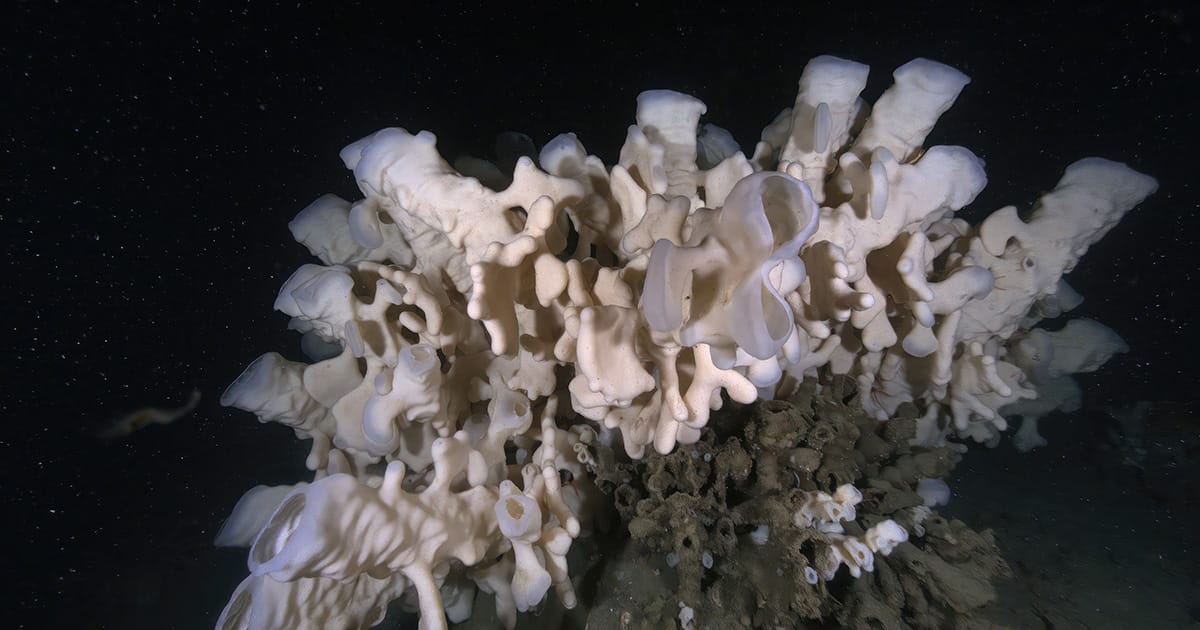
While the Galápagos Project focused on coral ecosystems, the IMAGE Project turned its attention to another equally fascinating and fragile marine habitat: glass sponge reefs. Located in British Columbia’s Átl’ka7tsem/Howe Sound, these reefs are some of the only living glass sponge formations in the world, and they play a crucial role in maintaining the health of the marine ecosystem. Glass sponge reefs act as natural filters, processing large volumes of water and playing a key role in the cycling of carbon and nitrogen. Additionally, they provide shelter for various marine species, including rockfish, spot prawns, lingcod, and crabs.
However, these glass sponge reefs are highly vulnerable to disturbances, particularly from bottom-contact fishing and sedimentation. Given their slow growth rates and limited capacity for recovery, any damage can take decades to reverse, if at all. Recognizing the ecological importance of these reefs, Fisheries and Oceans Canada (DFO) established marine refuges through fishing closures in an effort to protect them.
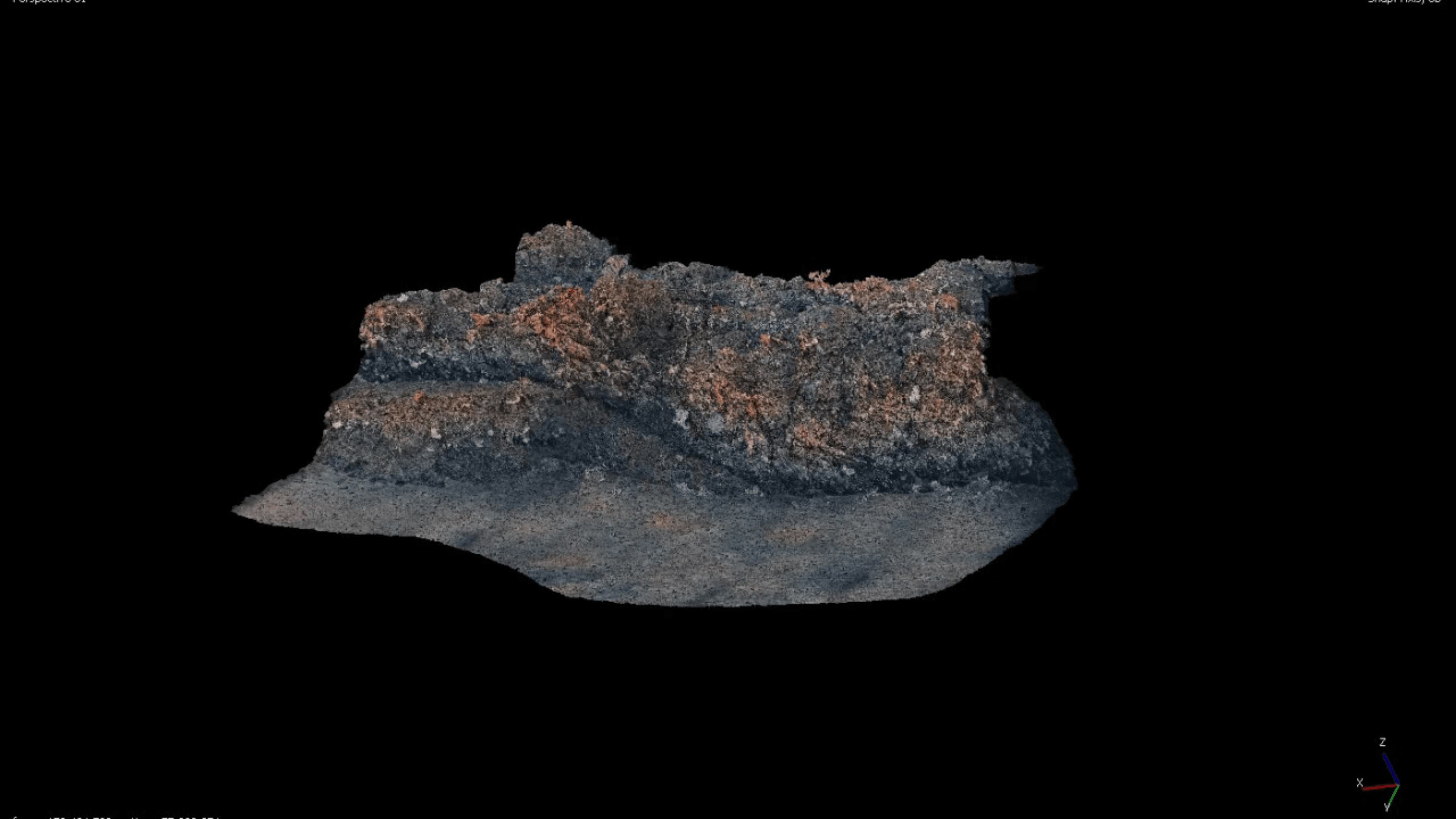
The IMAGE Project, led by Voyis and funded through DFO’s Oceans Management Contribution Program (OMCP), uses advanced optical imaging systems to monitor and safeguard these critical ecosystems. Voyis’ Insight Micro and Discovery Camera systems have been instrumental in collecting high-resolution, color-corrected 3D images of the reefs. These imaging systems allow researchers to build photogrammetric models of the reefs, creating detailed digital twins of the glass sponge structures.
Digital twin models are an emerging tool in marine research, as they provide an accurate, volumetric representation of ecosystems that can be used for long-term monitoring. By comparing these models over time, researchers can track changes in reef health, detect early signs of damage, and assess the effectiveness of conservation measures. In addition to 3D modeling, the IMAGE Project also integrated machine learning algorithms to classify and map features of interest within the reefs, such as “live reef” and “dead reef.” This geospatial classification enhances the understanding of reef distribution and health, further improving the precision of conservation planning.
The data collected through these innovative technologies serves not only as a snapshot of the current state of the reefs but also as a predictive tool for managing future impacts. This approach enables conservationists to make informed decisions about how to best protect these ecosystems from ongoing threats, ensuring the long-term survival of the glass sponge reefs and the marine life that depends on them.
A Technological Revolution
Both the Galápagos and IMAGE Projects underscore the immense potential of Voyis’ underwater optical sensors in marine research and conservation. The ability to capture high-resolution, 3D data of underwater ecosystems in real time opens new doors for understanding the complexities of marine environments. These technologies not only provide critical insights into ecosystem health but also offer practical tools for conservation management, allowing researchers and policymakers to make data-driven decisions that will help protect marine biodiversity for generations to come.
To find out more, visit: https://voyis.com
This feature appeared in environment coastal & offshore (eco) magazine’s 2024 winter edition Ocean Enterprise, to read more access the magazine here.