Critical to Forecasting
In-situ coastal ocean data collection systems are sparse, with significant gaps in coverage, particularly in crucial areas like continental shelf regions, where hurricanes transit from the deep ocean to shallow coastal waters and pose significant threats to life and property. The West Florida Shelf (WFS), for example, lacks comprehensive multi-parameter baseline data collection and event-response capabilities. Hurricane Ian struck West Florida in October 2022, killing 150 people and causing over $113 billion in damage. Forecasted as a Category 2 (~110 mph) storm 3 days out, Ian rapidly intensified into a high-end Category 4 storm (~155 mph) just before landfall, surprising many and bringing catastrophic storm surges.
Crucially, little to no real-time water-column density data—conductivity/salinity, temperature, and pressure/ depth (CTD)—were available along Ian’s track to inform forecasting models. The upper 30–50 ft CTD of the water column must be monitored continually for ocean modelers (NOAA, NWS, NHC, and Academics) to input these data into their models. This is called “Ocean Heat Content” (OHC). Sea-surface temperature (SST) is essential, but it is the OHC that drives ocean storms as well as the atmosphere aloft.
Uncertainty surrounding the future of the US Integrated Ocean Observing System (US IOOS), which falls under the Integrated Coastal and Ocean Observing System Act signed into law by US President Obama in 2009, has many nervous—and for good reason. IOOS contributes greatly to the maritime industry, fisheries, storm preparedness, and human safety on many levels. Underfunded as it is, losing IOOS and the critical data it does provide would be devastating to US coastal communities and territories.
Augmenting Existing Infrastructure
Partners RDSEA (St. Pete Beach, FL) and NavOcean (Portland, ME) have co-founded SeaWARRDD Technologies, Inc., with the idea of augmenting existing coastal ocean observing systems’ data collection (provided they stay in the water) with a focus on the water column. The Coastal Warning and Rapid Response Data Density System (SeaWARRDD) is specifically designed to enhance hurricane forecast data collection by capturing comprehensive in-situ MetOcean+ datasets.
SeaWARRDD’s coordinated, multi-platform approach integrates essential stationary time-series data with mobile time-series data, offering both regional coverage and rapid-response adaptability to evolving events (i.e., harmful algal blooms). Its capabilities include real-time mission control, data transmission, display, archiving, advanced analytics, and the development of tailored data products for specific end users. Hefring Engineering (Gloucester, MA) makes up the third leg of SeaWARRDD, providing glider support for subsurface data collection in tandem with surface Met-Ocean buoy systems and autonomous surface vehicles (ASVs).
As we look forward to working with the community and getting into the water soon, the Marine Technology Society (MTS) will continue to serve as a critical catalyst and convener for this work. The MTS Buoy Technology Committee has long brought community members together via its bi-annual Buoy Workshop, celebrating its 16th meeting in 2026. This event serves as an international nexus for many groups that engage in oceanographic buoy technologies worldwide. The MTS Florida Section also addresses these themes regularly, with a Storm Tracking TechSurge on the horizon—a topic of extreme importance to Florida, the Gulf coastline, and the Southeast US at large.
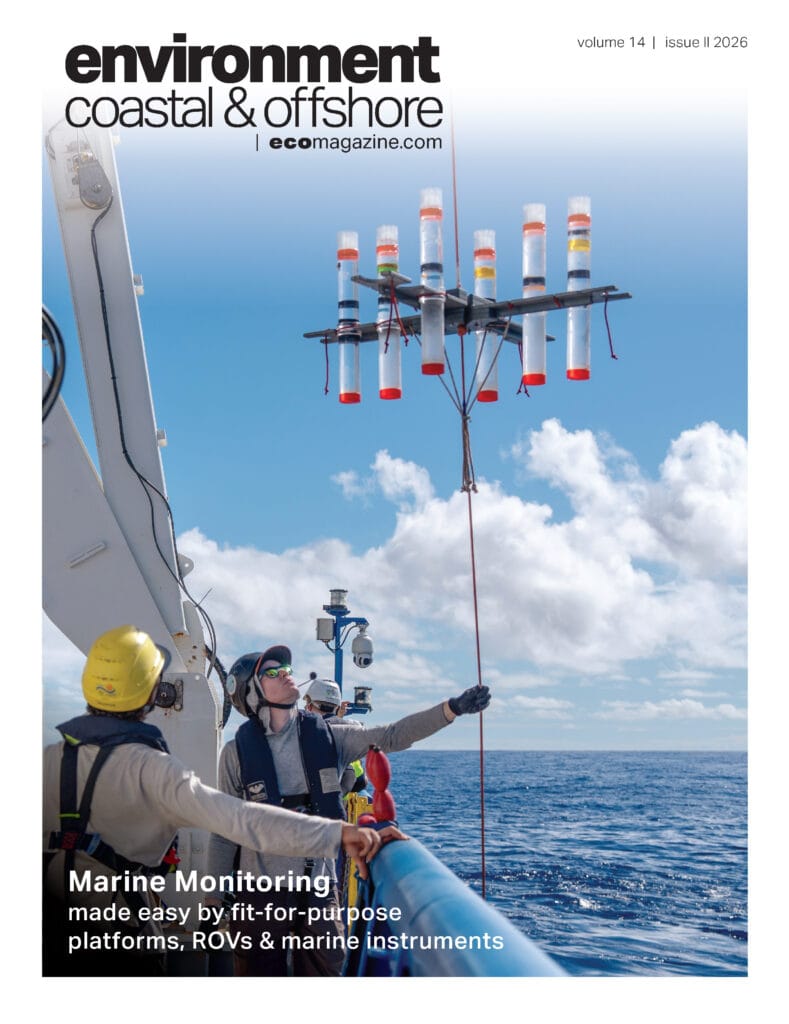
This opinion appeared in environment coastal & offshore (eco) magazine’s 2025 autumn edition Multidisciplinary Sampling & Monitoring, to read more access the magazine here.