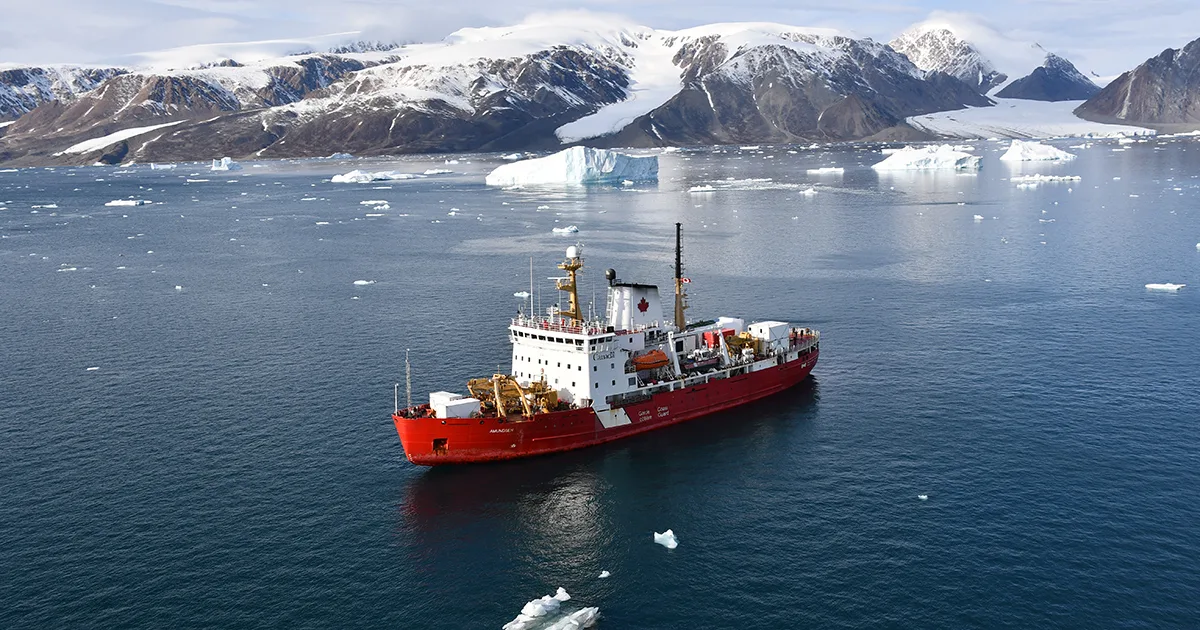
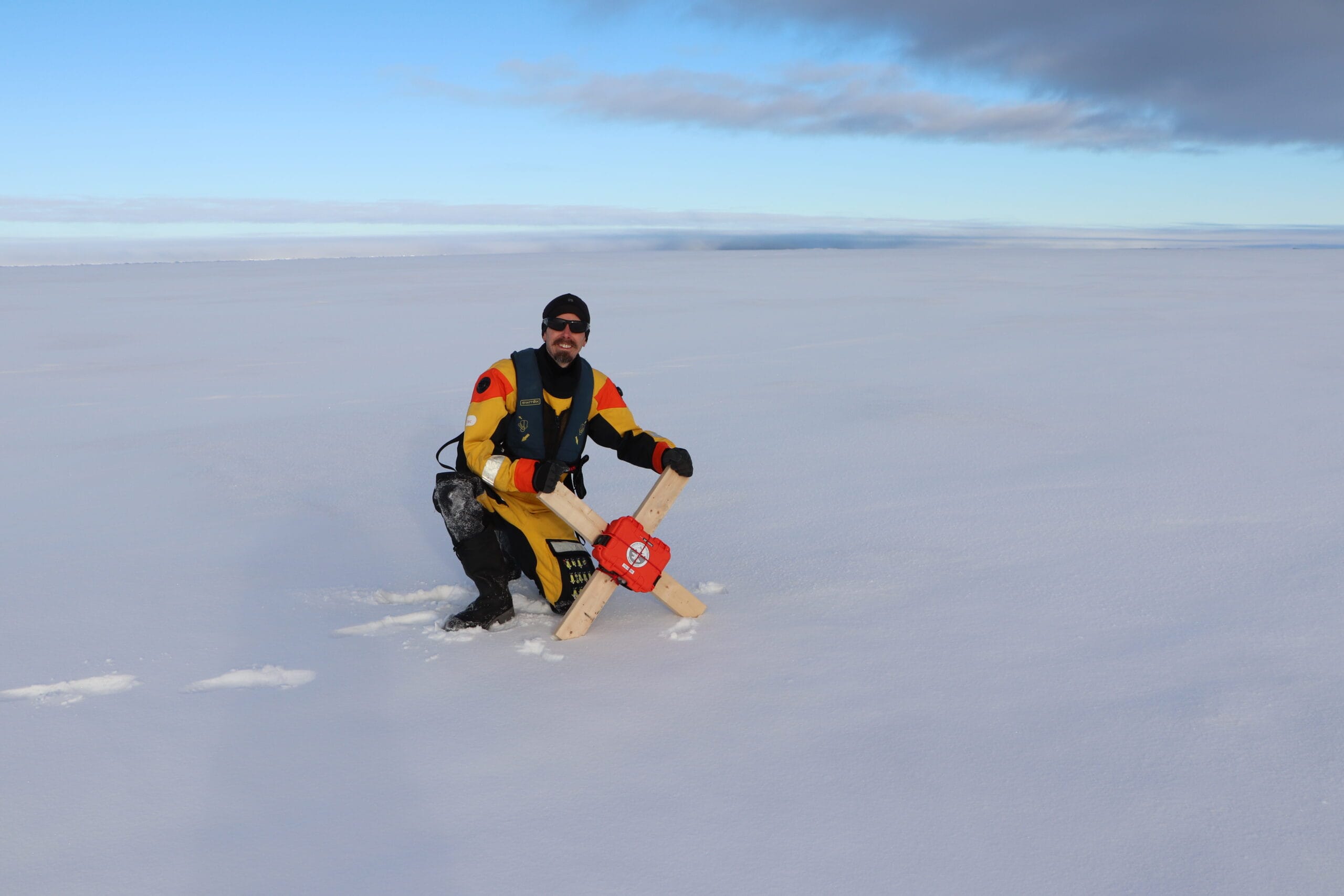
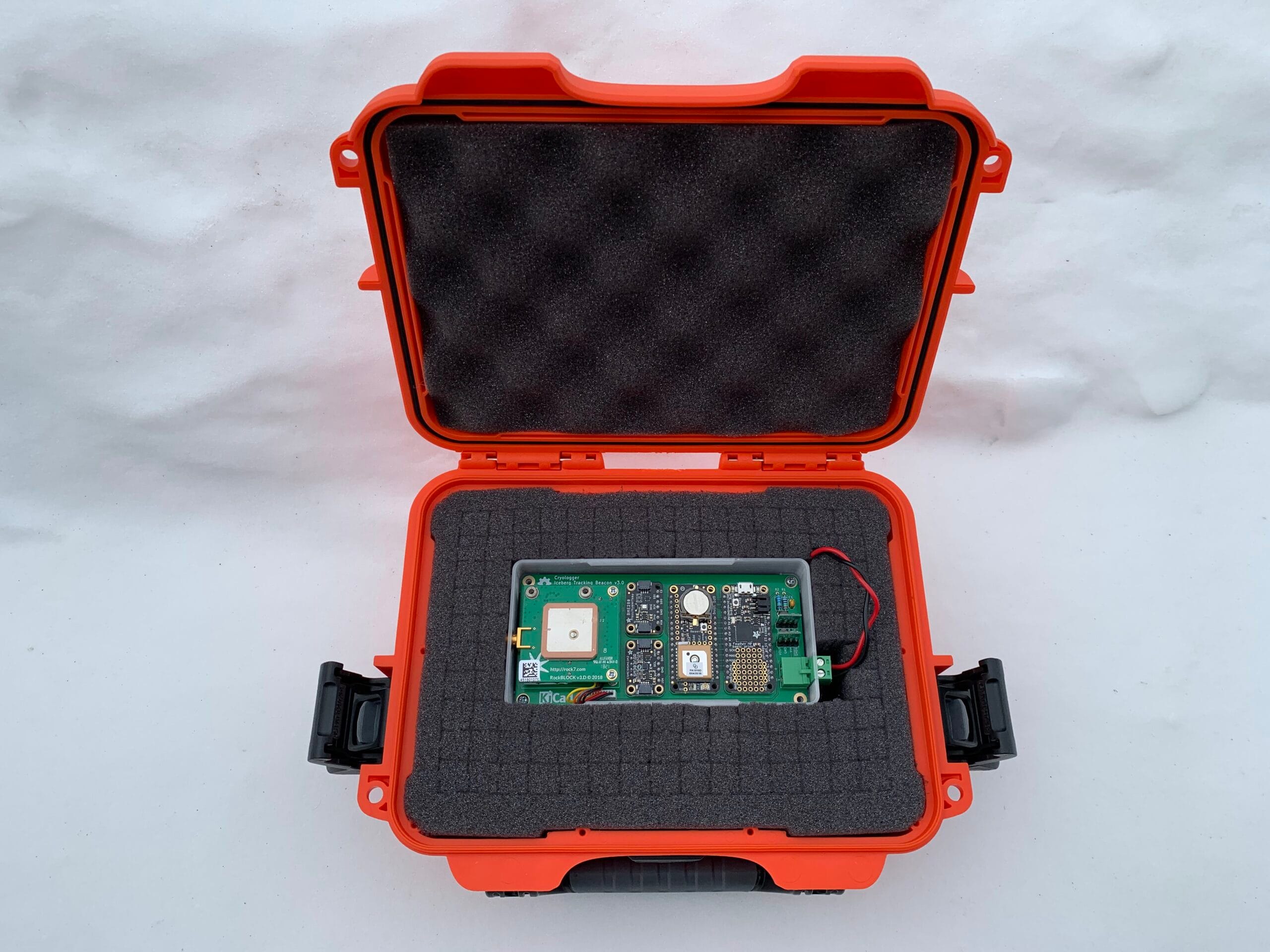
My doctoral research sits at the intersection of science and engineering. From a scientific perspective, my goal is to capture and interpret real-time data on the movement of icebergs across Canadian Arctic waters to enhance understanding of ice-hazard pathways and environmental change. From an engineering perspective, my focus is on developing a highly durable, cost-effective Cryologger Ice Tracking Beacon (ITB) that uses readily available commercial-off-the-shelf (COTS) components and ultra-long-life bobbin-type lithium thionyl chloride (LiSOCl2) battery packs to deliver a robust, long-lived device within a budget of roughly US$700. The result is an open-source and fully documented solution.
The Process Starts with Intelligent Low-Power Design
Conserving energy is essential to extending battery life and maximizing the return on each deployed instrument. To achieve this, the beacons are programmed to limit the sampling rate, waking once per hour to monitor GNSS position, read environmental sensors, and perform basic diagnostics. The beacon then communicates bidirectionally via the Iridium satellite network every three hours and returns to a deep-sleep mode. By increasing the interval between sampling and data uplink cycles, operating lifetimes of up to 10 years can be achieved.
Laboratory and field-based data show that the bulk of energy is drawn by the communications modem, with a peak power of 2.25 W. In contrast, a GNSS acquisition cycle draws 130 mW while routine microcontroller activity draws 40 mW. In deep-sleep mode, the beacon draws 1 mW, with only the microcontroller and real-time clock remaining active, while all nonessential components remain powered down, including the GNSS module, satellite modem, sensors, and status LEDs.
Seasonality plays an important role in determining when to adjust sampling and/or data transmission intervals. For example, sampling frequency can be reduced if an iceberg becomes frozen in immobile sea ice, whereas data transmission frequency can be increased when higher-resolution tracking is required. Other factors that can influence energy consumption include sleep and wake cycles, battery behavior, snow accumulation, and rapid temperature fluctuations. The sampling and transmission rates used for my research were based on extensive laboratory and in-field cold-temperature testing.

Simplifying the Manufacturing Process Using COTS Components
COTS components were used exclusively to make the beacon affordable and easily reproducible. Specifying readily available, field-proven components accelerates development time, enhances reliability, and eliminates the need for proprietary technologies.
Microcontroller: The Adafruit Feather M0 is well-suited for low-power embedded design in extreme environments, supporting deep-sleep modes with a low quiescent current and full documentation.
Iridium modem: The Ground Control RockBLOCK 9603 Iridium modem offers proven reliability and can be powered off to extend battery life. Internal capacitors buffer short-duration current spikes that draw excess power.
Low-power voltage regulator: Voltage regulators often leak significant amounts of current during a deep-sleep state, sometimes in the milliamp range. A Pololu low-quiescent-current step-down regulator prevents the slow drain of background current during periods of inactivity.
Environmental sensors: Adafruit environmental sensors monitor temperature, humidity, and pressure, featuring predictable cold-temperature behavior with low-power standby current. An inertial measurement unit (IMU) detects three-dimensional motion to track iceberg movement and beacon orientation.
Batteries Capable of Performing in Harsh Environments
Highly specialized batteries are required to operate at -40°C while also being able to generate short, intense bursts of energy to power the Iridium modem, requirements that far exceed the capabilities of most battery chemistries.
Lead-acid and alkaline batteries were unacceptable because their limited capacity would make the beacon too heavy and bulky to be easily transported by helicopter or small vessel. Lead-acid batteries can lose up to 50% of their available capacity over winter. Lithium-ion cells were also unsuitable due to poor cold-temperature performance and voltage sag during the high-current bursts.
Based on exhaustive research, bobbin-type LiSOCl2 chemistry was selected as the most suitable battery technology for supporting multi-year Arctic deployments of the beacon. Utilized worldwide in numerous oceanographic applications, bobbin-type LiSOCl2 batteries are preferred for their very high capacity, high energy density, extremely low annual self-discharge rate, and wide temperature range, with certain cells rated to -85°C and below.
Tadiran PulsesPlus TLP-93121 hybrid battery packs were specified, each consisting of four TL-4930 D-size LiSOCl2 batteries and two Hybrid Layer Capacitors (HLCs). These packs feature a self-discharge rate of less than 1% per year, while other brands can lose up to 4% of their available capacity annually. The bobbin-type LiSOCl2 cells support continuous, low-power operation, while the HLCs supply the high-pulse energy required for wireless communications. This pack also features a voltage plateau that provides advance warning of end-of-life, reducing the risk of unexpected power loss during long-term deployments.
Field Behavior and Battery Configuration
Cold-weather voltage sag is common to all batteries, as prolonged exposure to cold temperatures naturally causes voltage to decrease as temperatures drop, then recover as conditions warm. The depth of voltage drop varies significantly depending on the choice of chemistry and the method of battery manufacturing.
PulsesPlus batteries exhibit consistent voltage stability during prolonged exposure to cold temperatures, maintaining sufficient voltage headroom above the 5.2 V minimum shut-off threshold. Each pack uses a 2-series, 2-parallel (2S2P) configuration to maintain a nominal voltage of 7.2 V. Across multiple deployments in Canadian Arctic waters, this configuration has proven highly effective, showing a consistent seasonal voltage pattern, with voltages gradually declining from autumn into winter and recovering in spring and summer, and no cold-related battery failures observed.
Based on an hourly sampling rate for position measurements and data uploads every three hours, each beacon records on the order of 9,000 samples and performs roughly 3,000 transmissions annually, while conserving enough energy to maintain a substantial reserve of unused capacity to support 5 years of operation, extendable to 10 years.
Real-World Deployments Validate These Results
During field deployments, beacons that remained clear of heavy snow burial over successive winters exhibited extremely stable voltage with minimal long-term voltage drift when using PulsesPlus TLP-93121 battery packs. Further proof was provided by a beacon that detached from the iceberg yet remained operational for four years despite being buried in rocks and snow, attesting to the durability of the electronics and power supply.
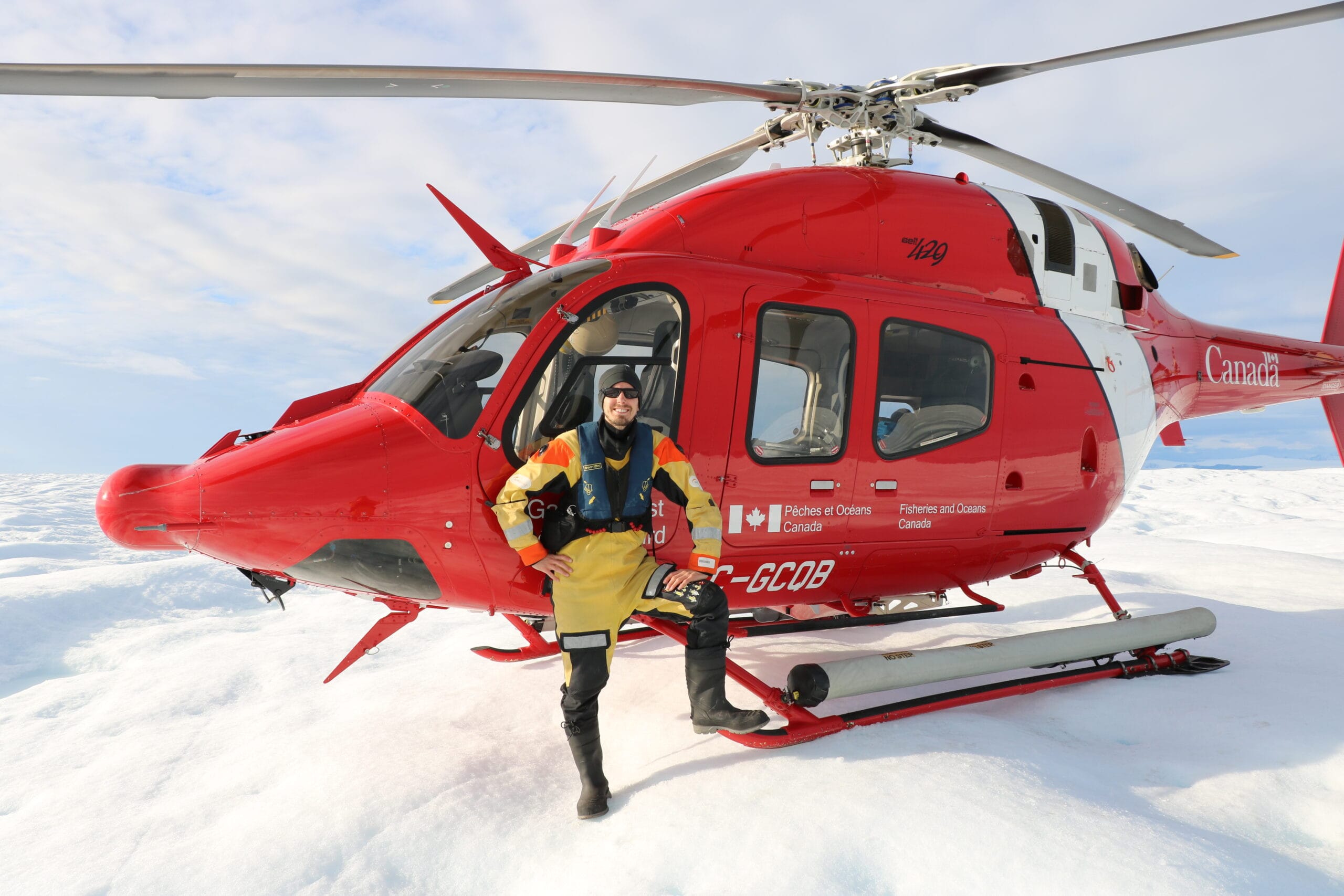
Since 2018, more than 40 Cryologger Ice Tracking Beacons have been deployed across the Canadian Arctic. These deployments have collectively:
- Recorded more than 400,000 GNSS positions
- Traveled more than 50,000 km on drifting icebergs and ice islands
- Operated reliably across multiple freeze–thaw cycles without battery-related failures
- Provided scientific datasets now used for iceberg drift studies and hazard assessment
Together, intelligent low-power design, low-cost COTS components, and hybrid bobbin-type LiSOCl₂ batteries show that long-duration Arctic monitoring can be both scientifically robust and delivered under budget.
To find out more about Tadiran Batteries, visit: www.tadiranbat.com
About the Author:
Adam Garbo is a Ph.D. student with the Laboratory for Cryospheric Research at the University of Ottawa and the creator of the Cryologger project, an open-source platform for monitoring the cryosphere, the frozen parts of our planet. For more than a decade, he has worked in the Canadian Arctic, combining extensive field experience with a focus on practical solutions to challenging scientific problems. His work centers on developing accessible, low-cost technologies that help researchers better understand glaciers and icebergs in a changing climate. Through fieldwork and instrument development, he is driven by curiosity and a commitment to making polar science more widely accessible.
References:
Cryologger ITB data has been featured in several scientific publications and datasets, including:
Dalton, A., Copland, L., Van Wychen, W., Dawson, J., Cook, A., Garbo, A., Mueller, D., & Tivy, A. (2025). Understanding changes in iceberg–ship coexistence throughout the eastern Canadian Arctic: 2012–2019. FACETS, 00(1), 1–16. https://doi.org/10.1139/facets-2024-0232
Garbo, A.; Rajewicz, J.; Derek, M.; Adrienne, T. (2025). Iceberg Beacon Track Database. Canadian Cryospheric Information Network 509 (CCIN), Waterloo, Canada, https://doi.org/10.21963/13340
Dalton, A., Garbo, A., Copland, L., Van Wychen, W., Mueller, D., Tivy, A., & Marson, J. (2025). Long-term field tracking of icebergs in the Eastern Canadian Arctic. Arctic Science.
Garbo, A., & Mueller, D. (2024). Cryologger Ice Tracking Beacon: A Low-Cost, Open-Source Platform for Tracking Icebergs and Ice Islands. Sensors, 24(4), https://doi.org/10.3390/s24041044
Marson, J. M., Myers, P. G., Garbo, A., Copland, L., & Mueller, D. (2024). Sea Ice-Driven Iceberg Drift in Baffin Bay. Journal of Geophysical Research: Oceans, 129(5), https://doi.org/10.1029/2023JC020697