Quality Benchmarks
High-quality data is often described through four benchmarks: accuracy, precision, stability, and reliability. Together, they answer critical questions: Are the readings correct? Can they be reproduced? Will they remain consistent over time? And can the sensor continue to deliver without interruption? Inconsistent turbidity values or a drifting pH measurement may not seem alarming in isolation, but when scaled to restoration projects, compliance programs, or academic studies, they can skew conclusions and undermine confidence in results. That is why water monitoring professionals treat these four benchmarks as non-negotiable.
Meeting these benchmarks begins with consistent maintenance. Routine cleaning is the frontline defense against data loss, and surprisingly, the best approach is often the least aggressive. Harsh scrubbing or chemical cleaners risk damaging sensor elements, while simple solutions, like soap, water, or diluted vinegar, can effectively remove biofouling without harm. Critical components such as wiper brushes should be inspected frequently. These brushes, which sweep away debris and growth from sensor faces, lose effectiveness once bristles begin to fray or bend. Equally vital are O-rings, which keep moisture and particulates from entering the sensor housing. A single nick, speck of grit, or worn seal can allow contamination that compromises both the instrument and its data. Replacing them promptly and applying manufacturer-approved grease extends their protection.
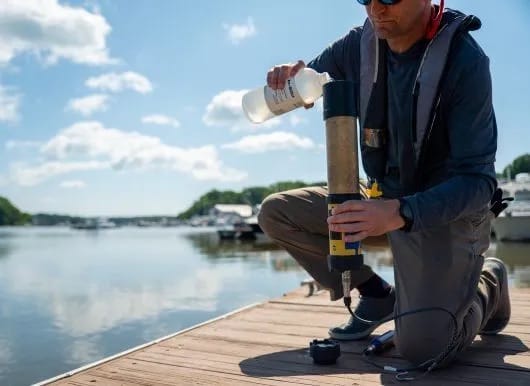
Maintenance sets the stage, but calibration keeps instruments aligned with reality.
Whether the reference is a buffer solution for pH, a standard for conductivity, or certified turbidity samples, calibration ensures that sensor readings match the conditions being measured. Frequency of calibration varies by sensor type and field conditions, but shortcuts, like reusing standards or skipping rinses, can quickly erode accuracy. Each step, from pouring fresh solutions to preventing cross-contamination between samples, reinforces confidence that readings reflect reality rather than drift.
Foundational QA/QC
While calibration provides confidence in the moment, quality assurance and quality control (QA/QC) practices safeguard data over the long term. For conductivity instruments, for example, observing changes in the cell constant or offset values can alert operators to gradual drift before it affects datasets. Documentation is equally important. Logging serial numbers, calibration histories, and QA/QC parameters allows teams to defend their data if questioned and to compare performance across multiple sondes. This record-keeping transforms individual measurements into datasets that can withstand scrutiny from regulators, funders, or fellow researchers. Digital tools now enhance these strategies.
Applications like In-Situ’s VuSitu enable cloud-based storage of calibration reports, batch calibration of multiple sensors, and streamlined metadata management. These tools not only save time but also reduce the likelihood of human error in complex monitoring programs.
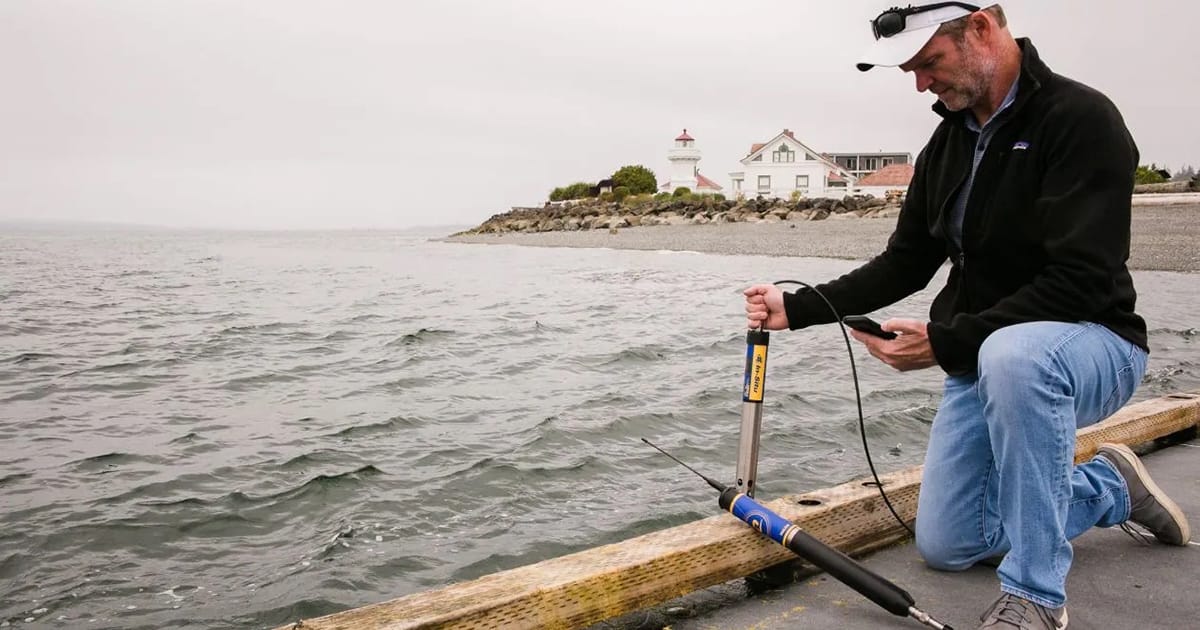
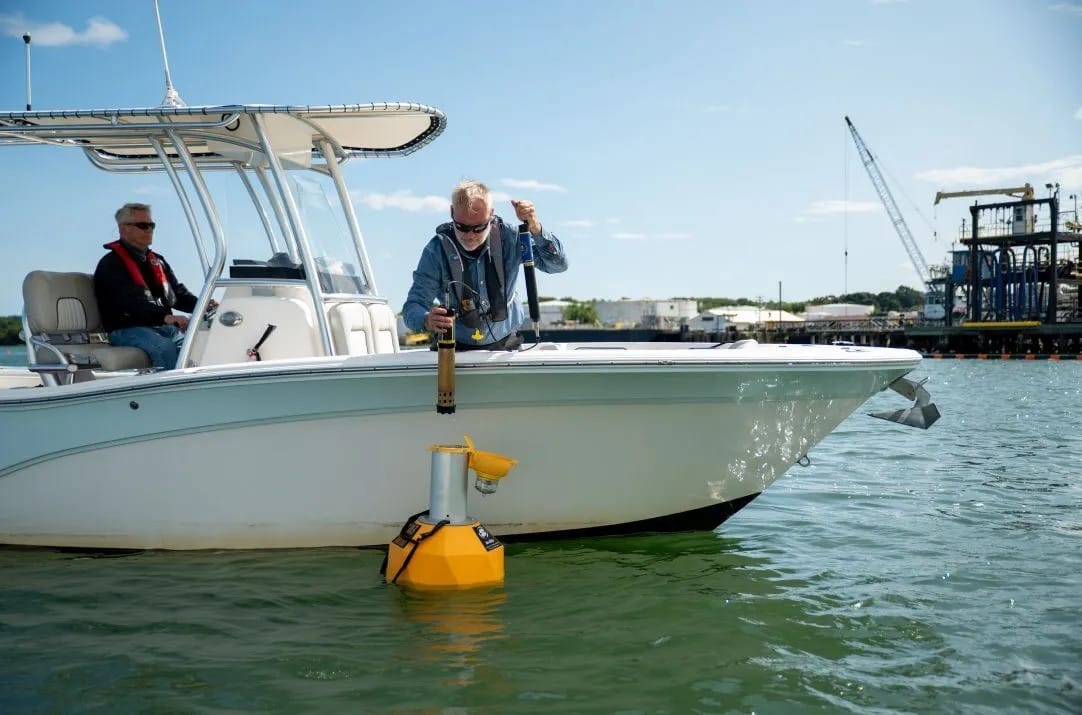
Even the most carefully prepared sensor can fail if poorly deployed. Placement in areas of heavy turbulence, sediment, or biological activity increases the risk of data gaps.
Protective measures such as stilling wells can buffer against turbulence, while anti-fouling techniques, including copper tape or specialized coatings, can significantly extend deployment life.
Fail-Proof SOPs
Still, equipment and techniques alone are not enough. Reliable data ultimately depends on the people and processes behind it. Clear standard operating procedures for cleaning, calibration, and deployment ensure consistency across staff and sites. More importantly, they instill a sense of responsibility for the credibility of the data itself. Each careful rinse, each logged calibration, each replaced O-ring is an act of stewardship. And in an era where environmental decisions carry high stakes, that stewardship translates into trust.
Challenges are an inherent part of marine and coastal monitoring, but those challenges can be managed. By combining gentle but consistent maintenance, rigorous calibration, vigilant QA/QC, and smart deployment strategies, professionals can secure the accuracy and dependability that their work demands. Through diligence and discipline, today’s monitoring efforts can provide the solid foundation needed for tomorrow’s environmental decisions.
This feature appeared in environment coastal & offshore (eco) magazine’s 2025 winter edition Fisheries & Aquaculture, to read more access the magazine here.