When a marine heatwave strikes, scientists often turn to satellites to see how the ocean is responding. From space, changes in ocean color can reveal shifts in phytoplankton, microscopic organisms that form the foundation of marine food webs and play a crucial role in the global carbon cycle. But satellites have a fundamental limitation: they can only see the ocean’s surface.
That became clear during an extreme marine heatwave in the North Sea in June 2023, when researchers discovered a striking biological response unfolding below the surface.
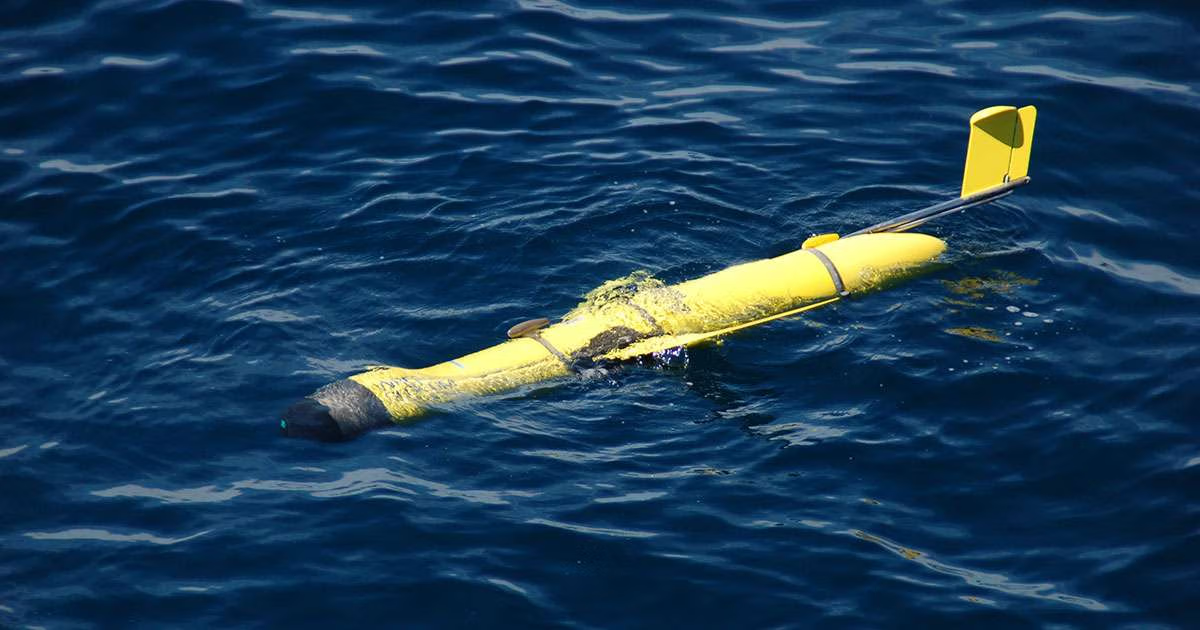
Using an autonomous ocean glider, researchers from the UK’s National Oceanography Centre (NOC) continuously monitored the water in the northwestern North Sea as the heatwave developed. What they found was very different from the picture emerging from satellite observations.
While satellites detected only a brief increase in phytoplankton near the surface, the glider recorded a much stronger and more sustained increase deeper in the water column.
The findings, published in Communications Earth & Environment, reveal how significant changes in marine ecosystems can take place beneath the surface, effectively hidden from the view of satellites.
A Hidden Bloom
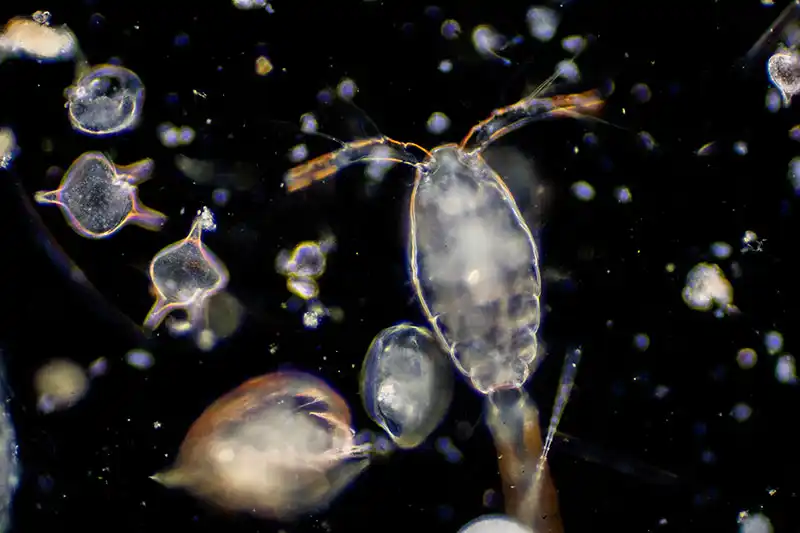
Phytoplankton are tiny, photosynthetic organisms that drift in the ocean. Although individually microscopic, they support marine ecosystems on a huge scale, providing food for organisms ranging from zooplankton to fish and whales.
In seasonally stratified seas such as the North Sea, phytoplankton can gather in a layer known as the subsurface chlorophyll maximum. This layer can sit below the surface, where conditions such as light and nutrients are favorable for growth.
During the June 2023 heatwave, phytoplankton concentrations in this layer increased dramatically.
Typical post-bloom concentrations in the region would be around 1–2 milligrams per cubic meter. During the heatwave, concentrations rose above 3 milligrams per cubic meter, with short-lived peaks exceeding 9 milligrams per cubic meter.
Crucially, these elevated concentrations persisted for more than a week and were considerably higher than historical observations for June in the region. Yet much of this change would have been largely invisible from space.
“The autonomous ocean gliders allowed us to observe the marine heatwave as it happened and reveal biological changes that would have been difficult to capture using traditional ship surveys or satellites alone,” said Dr. Charlotte Williams, physical oceanographer at NOC and lead author of the study.
“These technologies are becoming increasingly important for monitoring how our oceans respond to climate extremes.”
Why the Increase?
The researchers cannot yet say exactly what caused the dramatic increase. One possibility is that the heatwave increased the amount of light reaching the subsurface layer, creating more favorable conditions for phytoplankton.
Another is that the heatwave altered the movement of water, potentially transporting nutrients horizontally into the area observed by the glider. The precise mechanism remains an open question and requires further research, but the observation itself is significant.
Marine heatwaves are already known to have profound effects on marine ecosystems. They can alter species distributions, disrupt food webs, and affect the productivity of marine environments.
Understanding those impacts requires knowing what is happening throughout the water column, rather than relying solely on what can be seen at the surface.
Seeing Beneath the Surface
The North Sea study highlights an important blind spot in how ocean change is monitored.
Satellites are invaluable for observing vast areas of the ocean and identifying changes at the surface. But they cannot see what is happening deeper in the water.
Traditional ship-based surveys, meanwhile, can provide detailed measurements throughout the water column but are limited by where and when a research vessel can travel.
Autonomous gliders offer a different approach.
Able to travel through the ocean while continuously recording physical, chemical and biological conditions, they can remain in the water for extended periods and capture changes as they unfold.
In this case, that meant researchers were able to follow the ocean through an extreme event and uncover a response that might otherwise have been missed.
“The study shows why combining satellite observations with measurements from autonomous platforms is so important,” said Dr. Williams. “Each approach gives us a different perspective on how the ocean is changing.”
A More Complex Picture
As marine heatwaves become more frequent and intense in a warming ocean, understanding these hidden responses using autonomy will be increasingly important for predicting how marine ecosystems, fisheries and ocean biogeochemical cycles could change.
Read the full study: Chlorophyll extremes during a surface marine heatwave in a seasonally stratified shelf sea, published in Communications Earth & Environment.
Research: The study was conducted as part of the Physics to Ecosystem Level Assessment of Impacts of Offshore Windfarms (PELAgIO) project, part of the ECOWind programme. ECOWind is co-funded by the Natural Environment Research Council (NERC) and the Offshore Wind Evidence and Change (OWEC) Programme under grant NE/X008835/1. Jo Hopkins was supported by NERC grant NE/Y005589/1.
This feature appeared in environment coastal & offshore (eco) magazine’s 2026 issue IV. Read in the magazine here.