For decades, researchers have relied on manual microscopy, a method that offers invaluable direct, empirical observations and measurements of individual organisms. However, collecting essential metrics such as organism type, quantity, and morphology (size and shape) can be prohibitively time-consuming, often forcing programs to make trade-offs in sampling frequency or the volume of water analyzed. These limitations can lead to a fragmented understanding of ocean health, where critical biological shifts or the onset of harmful algal bloom events are missed entirely.
Research & Monitoring Capacity
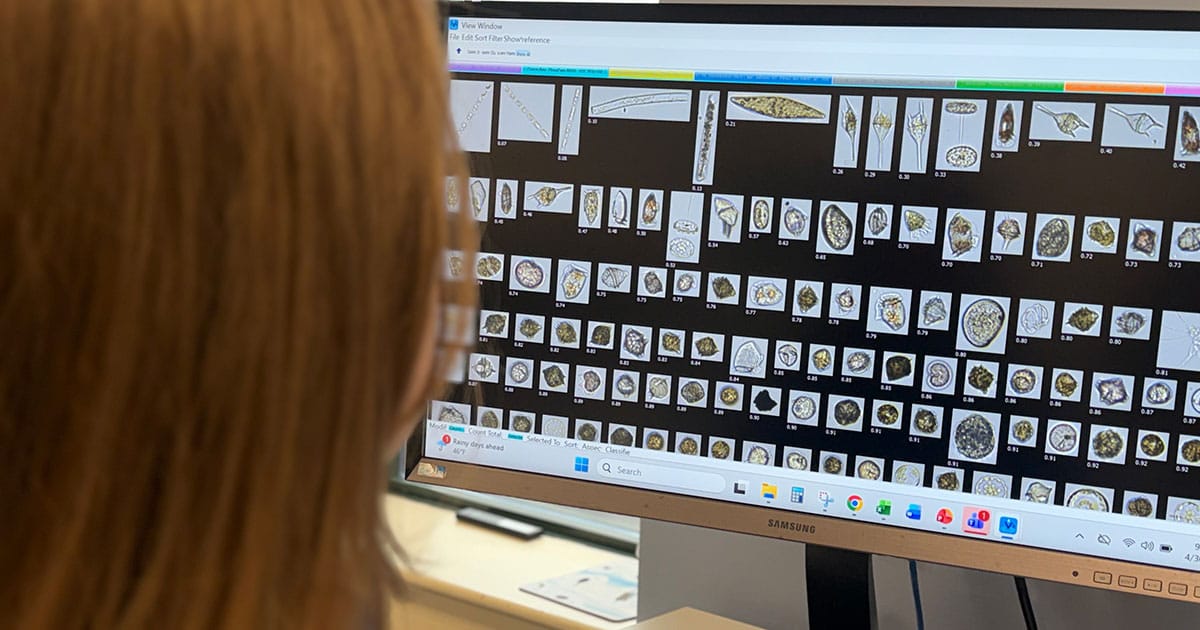
Issue II To address these challenges, many research programs are turning to Flow Imaging Microscopy (FIM), a rapid, highthroughput technique that bridges the gap between traditional microscopy and flow cytometry. A leading platform in this field is Flow-Cam, which accelerates the quantification and measurement of plankton using high-speed imaging, while preserving the rich visual information necessary for taxonomic identification. By combining the statistical power of flowbased analysis with the resolution of high-magnification imaging, FIM enables scientists to build meaningful datasets quickly, extracting more information from each sample than ever before.
Imaging generates richer data by directly quantifying information from real images of each particle, rather than inferring details from electrical signals, as simpler particle counters do. Because every measurement is image-based, users can count and size particles while also measuring shape—such as aspect ratio and circularity— alongside visual features like color and intensity.
Sampling Frequency
A critical advantage of this increased throughput is the ability to sample more frequently. When field observations are difficult or costly, programs often sample only once per month, which can result in missing important insights that daily or weekly sampling would reveal. For example, a monthly sampling schedule might entirely miss the early onset of a harmful algal bloom, whereas high-frequency quantitative analysis provides the temporal resolution necessary to see the “full picture” of community shifts. By maximizing the data extracted from every sample and increasing the number of samples processed per day, labs can avoid leaving valuable ecological insights on the table.
Proactive HAB Tracking
The practical value of this technology is perhaps most visible in coastal environments, where the health of plankton communities directly impacts local economies. At the Skidaway Institute of Oceanography, researchers utilize Flow-Cam to monitor harmful algal blooms (HABs)—events that can have devastating economic impacts on seafood industries and pose risks to human health.
By implementing a high-frequency monitoring workflow, the team at Skidaway can determine exactly when organisms of concern, such as Akashiwo sanguinea , begin to increase in concentration and quantify how quickly the population is increasing. This specific organism has been linked to larval mortality at local oyster hatcheries, making early detection vital for aquaculture management. By comparing this quantitative data with environmental variables such as temperature and ammonium levels, researchers can better characterize the drivers of bloom initiation, providing the aquaculture industry with a much-needed early warning system.
Large-Scale Biogeochemistry
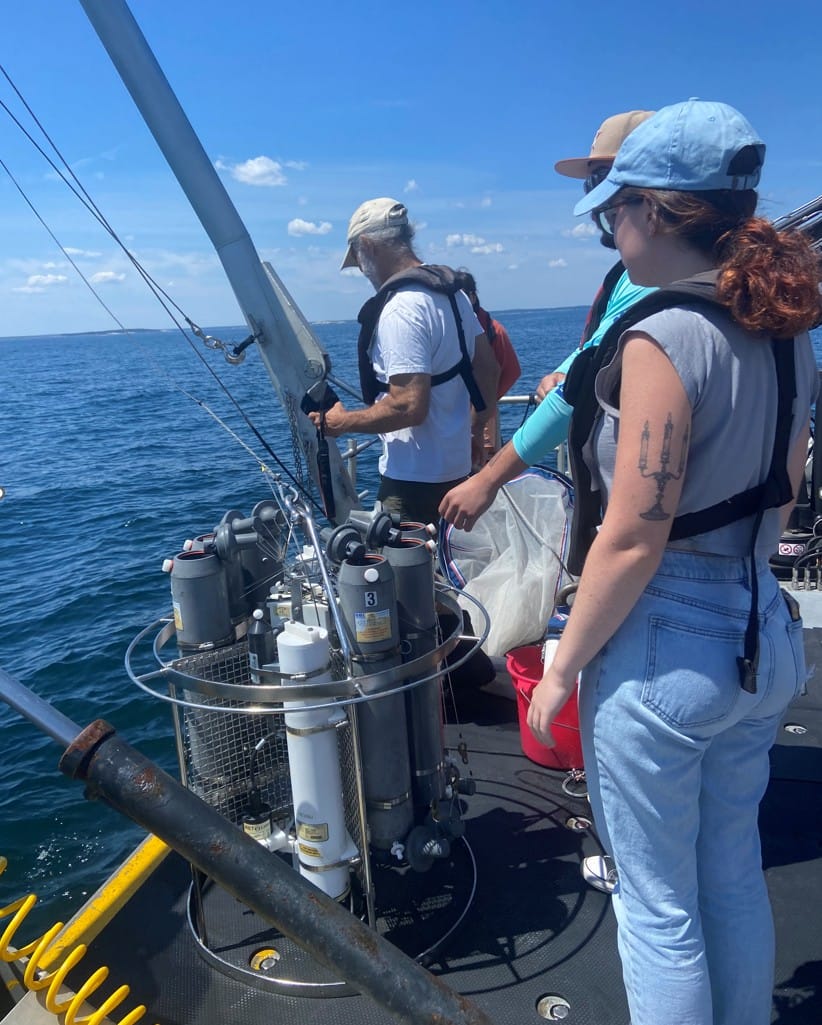
The utility of FIM extends far beyond the coast, proving equally transformative for offshore research. In the open ocean, understanding the contribution of different zooplankton groups to nutrient cycling and carbon sequestration is essential for modeling the global ecosystem.
Researchers like Kathryn Cook at the National Oceanography Centre (NOC) in the UK utilize Flow-Cam Macro to calculate the biomass of broad zooplankton groups across varying depths and sites. Using Flow-Cam to process net samples, the team can process large volumes of water to gather statistically significant data on the types of copepods present. This highthroughput capability is critical for offshore cruises where ship time is costly. As Dr. David Fields of Bigelow Laboratory for Ocean Sciences notes, the ability to process samples in real time at sea while moving between stations allows researchers to return home with data that would have previously taken months to analyze, without flow imaging microscopy.
A Digital Record for the Future
Beyond immediate data acquisition, Flow-Cam serves as a powerful tool for long-term biodiversity surveys and workforce development. Institutions like the Flanders Marine Institute (VLIZ) have developed innovative workflows that use FIM data to train AI models for automated image classification, allowing for the assessment of plankton diversity over vast time series. This digital record allows researchers to revisit archived samples years later to answer new scientific questions.
This digital record of the ocean’s foundation does more than inform today’s models; it builds the capacity for future generations of scientists. The ease of use of these platforms makes them accessible for undergraduates and early-career analysts, creating new pathways for student-driven research. By serving as an engaging platform for teaching plankton identification and research methods, these technologies help labs grow not only their datasets but also the skilled workforce needed to sustain and expand ocean observation capacity over time.
Whether protecting a local oyster hatchery from a potentially harmful algal bloom along the coast or quantifying zooplankton biomass in the open ocean, high-speed flow imaging microscopy helps research and monitoring programs accelerate and expand their capacity for plankton observation.
To learn more, visit: www.flowcam.com
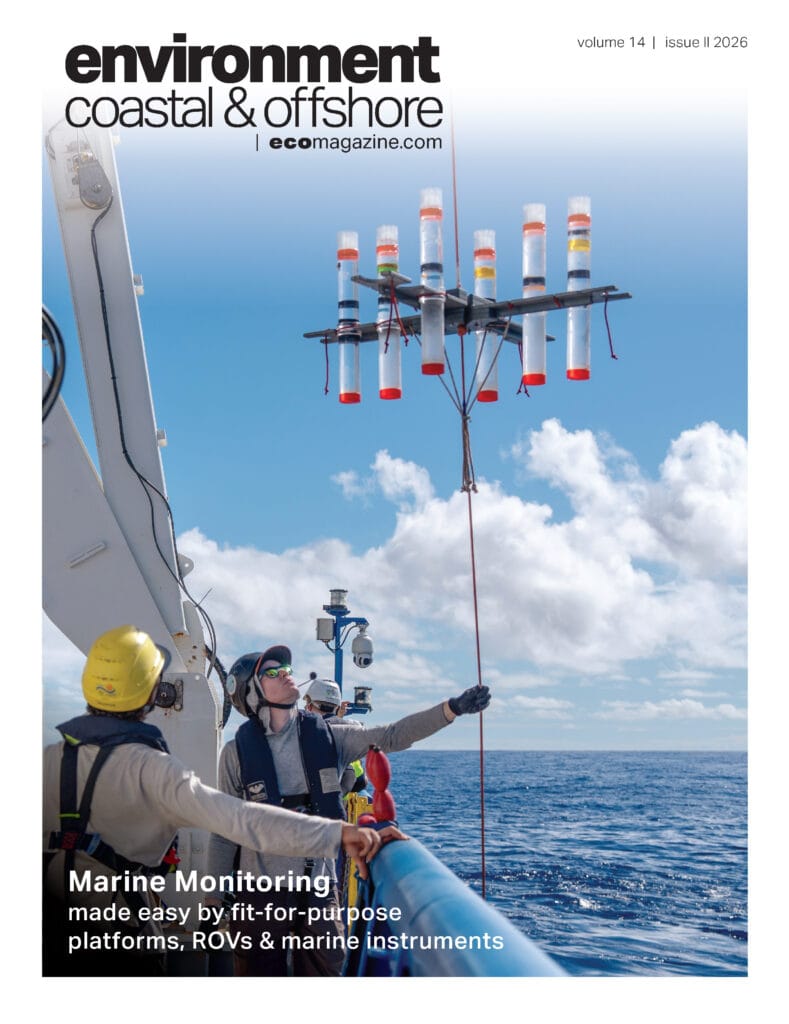
This feature appeared in environment coastal & offshore (eco) magazine’s 2026 issue II. Read in the magazine here.