This boom in demand—paired with advancements in automation, intelligent software solutions, and ongoing talent shortages—is reshaping the offshore wind sector. To remain competitive and adaptable, businesses must embrace innovation, prioritizing efficiency, scalability, and digital transformation to meet the evolving energy needs of the future.
Perhaps the most significant shift is occurring within the offshore workforce. As companies strive to attract the next generation of talent, offshore roles are increasingly moving onshore, creating new opportunities and transforming industry expectations.
Bringing the Workforce Onshore
The technology sector does not lack skilled professionals, yet traditional offshore work environments have long been considered less attractive due to the demanding schedules and extended periods at sea. Historically, recruiting specialists willing to commit to offshore roles—sometimes up to 200 days a year—has been challenging. Today’s workforce seeks more than career development; they want roles that align with personal well-being, flexibility, and work-life balance.
The offshore wind sector’s rapid expansion is amplifying these challenges, placing significant strain on recruitment efforts. Companies must rethink their approach to workforce retention, adapting to the evolving expectations of professionals who prioritize structured schedules, remote working options, and meaningful career trajectories.
Adapting to Workforce Shifts
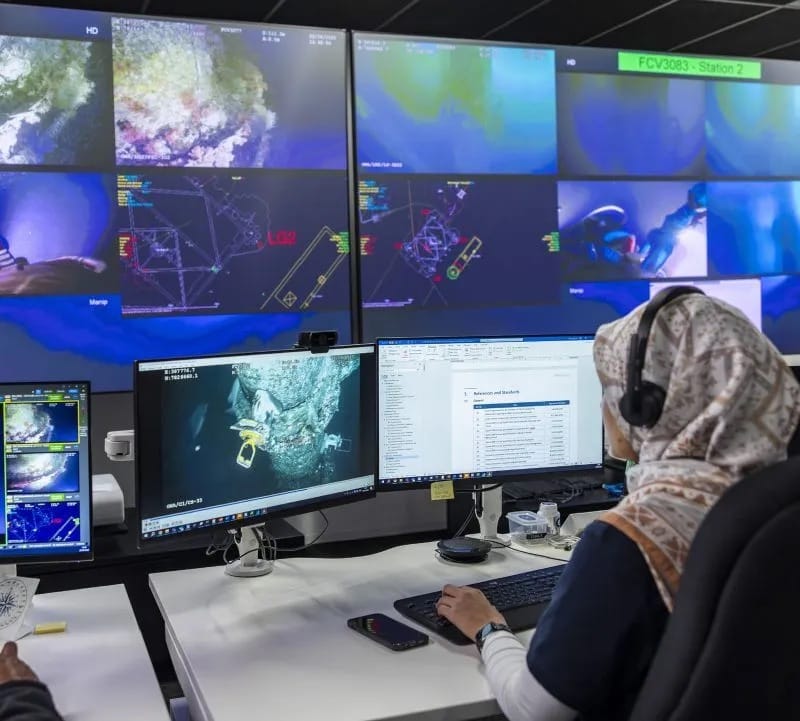
To attract top-tier talent, organizations must reshape recruitment strategies, moving away from full-time offshore commitments as the default model. Instead, technology now enables hybrid working arrangements, allowing employees to split their time between offshore assignments, remote operations centers (ROCs), or offices.
This is exactly what we are now offering at Fugro, with this shift not only benefiting professionals seeking a greater balance, but it also widens the talent pool, creating career opportunities for individuals who may have personal or medical constraints preventing them from working offshore.
Even for onshore teams, workforce expectations are shifting. ROC-based rotations, such as two weeks on and two weeks off, allow employees to minimize commuting time, leading to improved work-life integration. These predictable schedules help staff plan family commitments, vacations, and personal time more effectively – making offshore careers more attractive to a wider talent base.
Automation Drives Safety
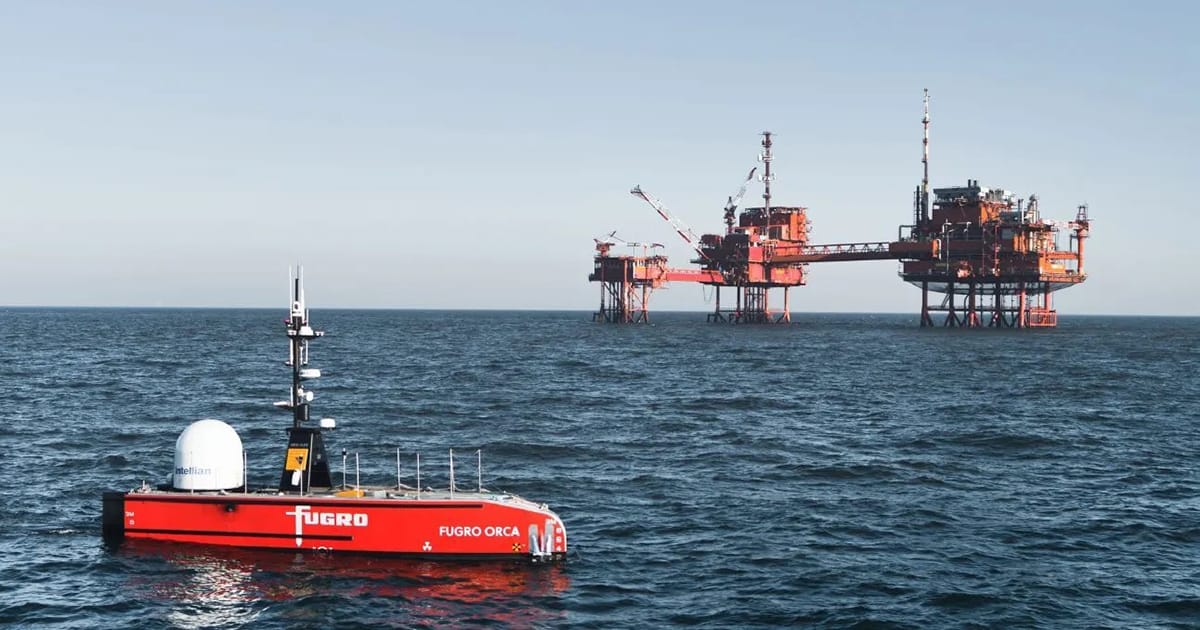
The integration of uncrewed surface vessels (USVs), like those that Fugro has been deploying for several years on projects around the world, proves that remote operations can be conducted both safely and efficiently from onshore facilities. Similar technologies are now being applied to conventional vessels, ensuring operations remain secure while innovation continues through onboard backup personnel.
Beyond efficiency gains, automation is vastly improving workforce safety. The offshore sector is seeing fewer projects requiring personnel to take on hazardous work at sea, reducing accident risks while allowing crews better accommodations and downtime. By decreasing the number of onboard personnel needed, these innovations enhance working conditions and improve employee well-being.
Retaining Skilled Workers
While fresh talent is necessary to meet workforce demands, organizations must also ensure they retain experienced professionals. Open communication and collaboration are essential—not just for maintaining industry knowledge but for ensuring that all employees feel valued as part of this transformation.
With the creation of new roles and personalized career paths, offshore positions will adapt, and opportunities within ROCs will expand—opening doors to technical career trajectories that strengthen the overall workforce in the sector. However, given the constraints of the talent pool, retaining expertise remains a cornerstone of long-term success.
Enabling Offshore Operations
Advancements in connectivity technology are transforming offshore operations, allowing vessels to be increasingly operated remotely from ROCs. These digital innovations facilitate safe, efficient, and reliable offshore mission execution while supporting new workforce models and include:
High-bandwidth solutions that optimize mission control and enable real-time monitoring of connectivity performance
Remote messaging protocols, ensuring reliable transmission of control messages between onshore and offshore operations
Automation and robotics, reducing the manual and repetitive activities at the offshore work site
Ship-to-shore file transfers, supporting efficient data communication without compromising performance.
These innovations are essential for adapting to workplace shifts while allowing businesses to offer roles that will align with the right talent priorities.
Balancing the Transition
The offshore wind sector is embracing cutting-edge technology to address workforce challenges while scaling operations to meet rising demand. By adopting automation and remote-first strategies, companies can attract diverse talent, improve efficiency, and reduce operational risks.
However, this evolution must be inclusive, ensuring both experienced professionals and new recruits feel integral to the industry’s transformation. By fostering collaboration, innovation, and workforce flexibility, offshore wind companies can successfully transition to hybrid models without losing valuable expertise.
The Future
As digital advancements continue to reshape the industry, companies must take proactive steps to ensure the offshore wind sector remains an attractive career choice. Success depends on rethinking traditional workforce models, integrating new technologies, and ensuring long-term sustainability in recruitment and talent retention.
By embracing these changes strategically, offshore wind companies will be well-positioned to thrive in an era of rapid expansion, securing both the best talent and the operational resilience necessary for long-term success.
To find out more, visit: www.fugro.com
This feature appeared in environment coastal & offshore (eco) magazine’s 2025 summer edition Rethinking Offshore Operations, to read more access the magazine here.