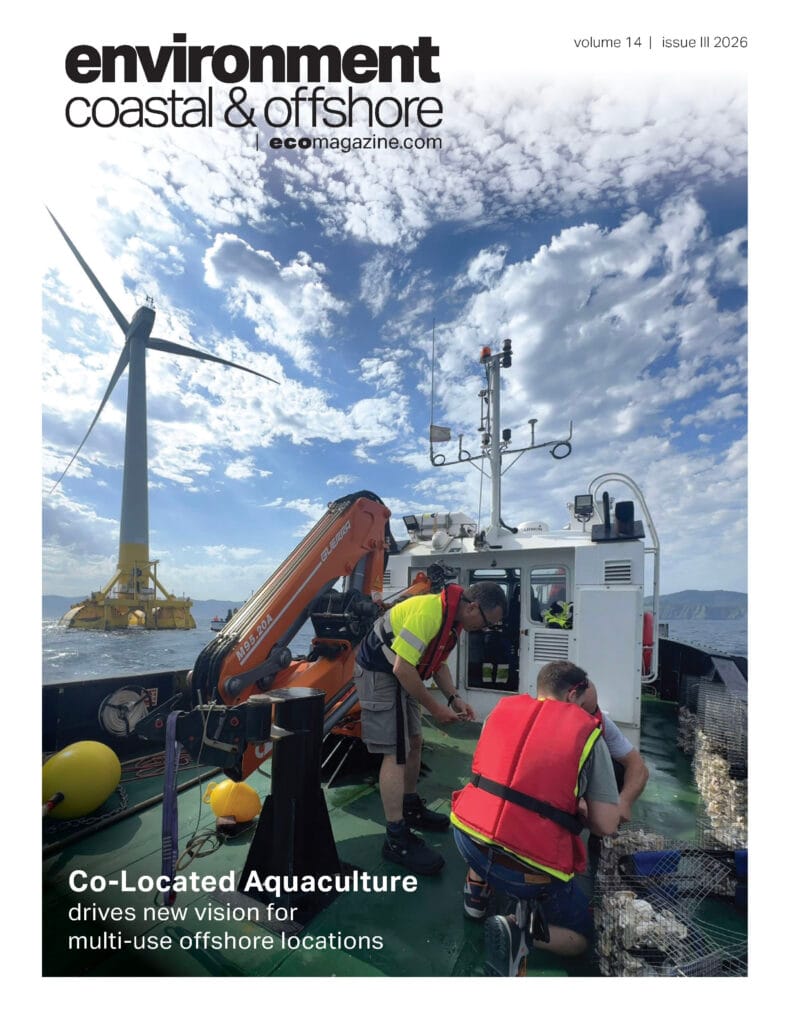

In September 2025, the National Oceanic and Atmospheric Administration (NOAA) identified 13 Aquaculture Opportunity Areas to prioritize American seafood competitiveness. Ten locations in Southern California and three locations off the Texas coast were identified as being potentially suitable for developing multiple commercial aquaculture projects.
Additionally, in the fall of 2025, there were several new policy introductions targeting the fisheries and aquaculture space. These include, but are not limited to, the Marine Fisheries Habitat Protection Act, the Marine Aquaculture Research and Advancement (MARA) Act of 2025, the Quantifying Uncertainty and Action to Help Optimize Growth of Shellfish (QUAHOGS) Act, the Supporting Equity for Aquaculture and Seafood (SEAS) Act, and more.
Outside of fisheries and aquaculture, the offshore energy space continues to be in the spotlight. Much uncertainty remains for the future of offshore renewable energy in the US. Between back-and-forth stop work orders at offshore wind construction sites and increases in workforce numbers by industry leaders, it seems many in the offshore renewables space in the US are standing on shaky ground.
While the long-term outlook for the energy sector lacks clarity, a recently published report from DNV suggests that US policy reversals will only have a marginal impact on the overall progress of the global energy transition. The Energy Transition Outlook forecasts a slightly slower transition, with the energy mix split 51–49% between fossil and non-fossil fuels in 2050, balanced by the momentum of energy transition outside of the US.
Spaces we’re watching: marine and ocean policy; marine instruments; offshore industry
You’ll find news and insights on all the above in “the water column”—an exclusive editorial dedicated to giving our readers an alternate, bird’s eye view of the most significant happenings across the marine science, industry, and policy space. To keep abreast of all the latest developments, access the water column in print editions of eco magazine, nestled among the pages of Environmental Policy news, and in a monthly circulating digital edition found on LinkedIn and our website.