A research team from City University of Hong Kong (CityUHK), in collaboration with researchers from several other universities, has successfully developed a novel functionalized membrane that significantly improves the efficiency of collecting and detecting marine organisms’ eDNA, providing a more sensitive and reliable technical tool for monitoring marine biodiversity.
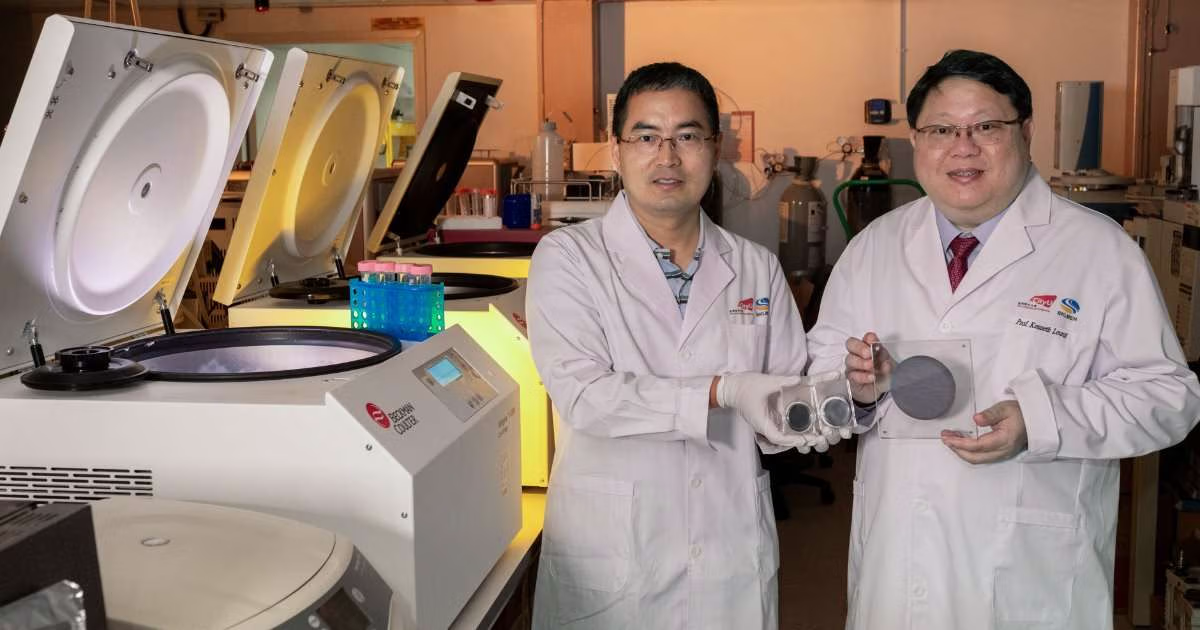
The CityUHK team was led by Professor Kenneth Leung Mei-yee, Vice-President (Research) and Director of the State Key Laboratory of Marine Environmental Health (SKLMEH); and Professor Zeng Zhiyuan from the Department of Materials Science and Engineering and the SKLMEH. The study, titled “A tailored MoS2 membrane with strong DNA-binding capability enhances aquatic biota detection through environmental DNA metabarcoding,” was published in the leading international journal National Science Review.
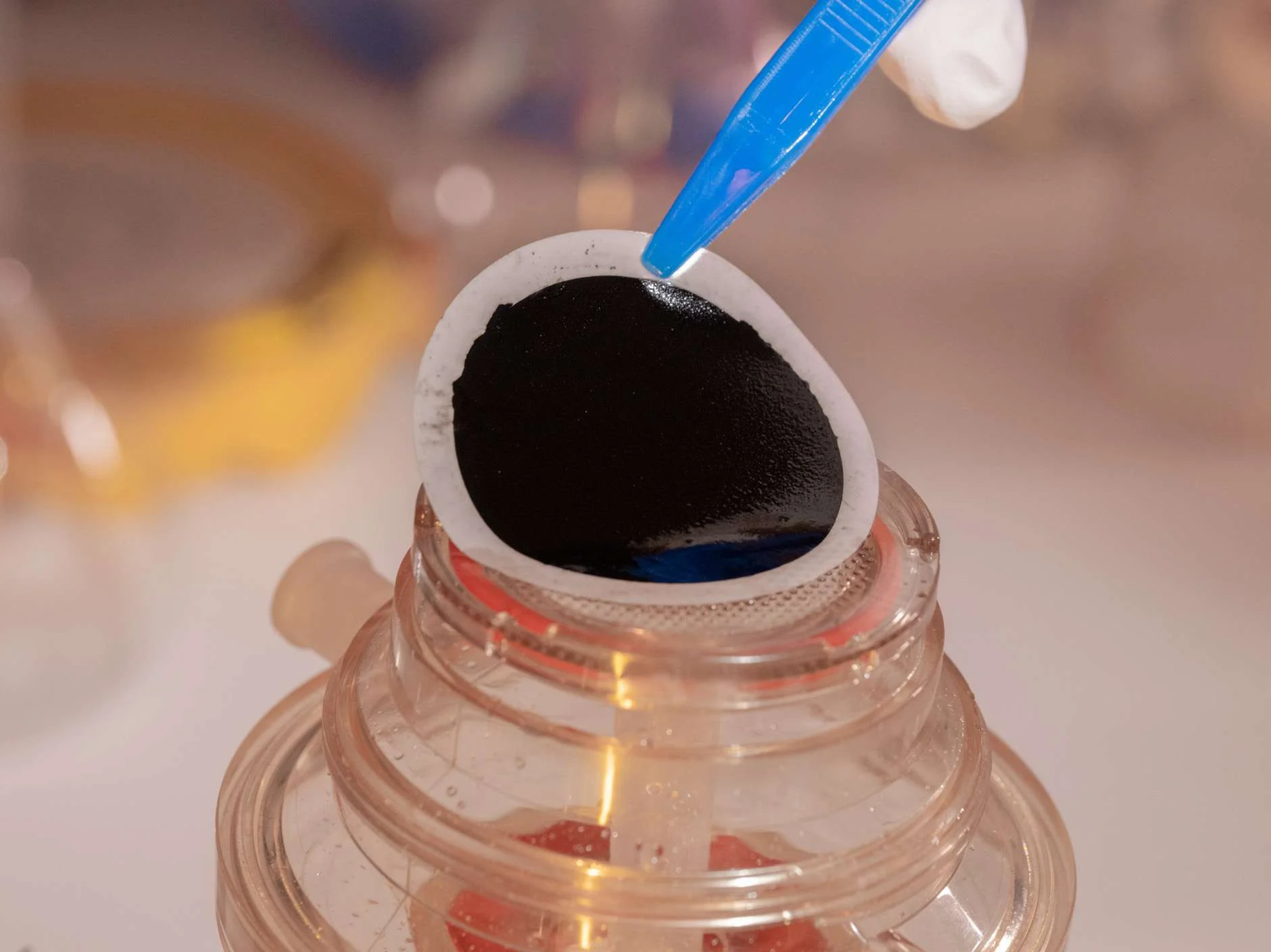
The research team coated the surface of a common membrane with an ultra-thin layer of 2D material molybdenum disulfide (MoS₂), enabling the membrane to capture DNA in water more effectively. Experimental results show that this novel membrane significantly improves the detection sensitivity of fish eDNA in both laboratory and field tests.
In controlled experiments, the researchers successfully used the membrane to accurately identify a variety of tropical coral reef fish, including Acanthurus dussumieri, Chrysiptera cyanea, Dascyllus trimaculatus, Microcanthus strigatus, and Paracanthurus hepatus.
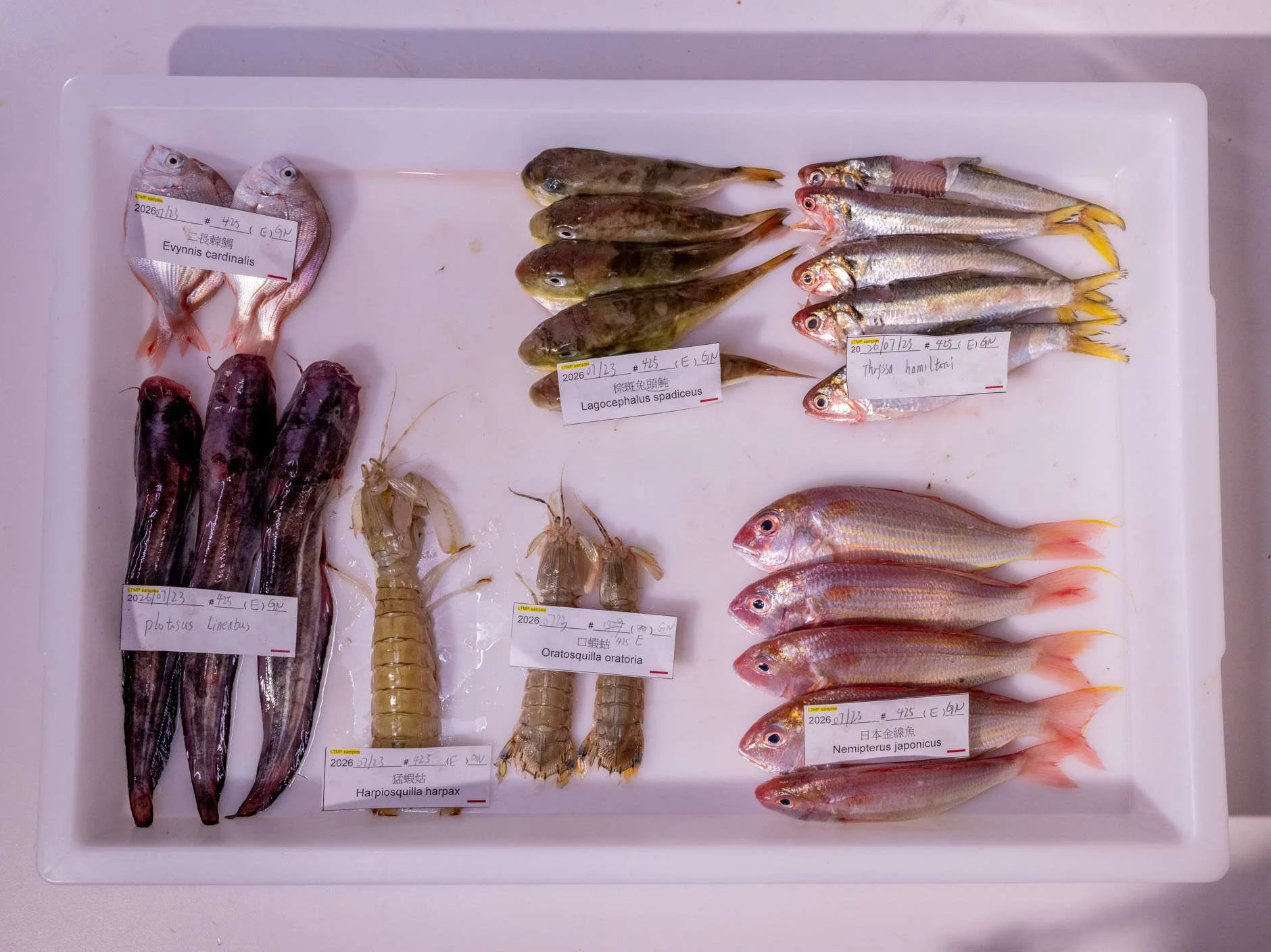
For field testing, the research team conducted on-site sampling tests at the Hoi Ha Wan Marine Park. The results showed that the new filter membrane could detect a greater number of fish species, including anchovies, flathead gray mullet, and carangid fish, without affecting the overall assessment of the fish community, demonstrating its potential for applications in practical marine monitoring.
“The membrane is simple to prepare and cost-effective, and can be directly integrated into existing water sampling filtration processes. It is expected to find future applications in marine conservation, ecological surveys, and long-term environmental monitoring, and is particularly suitable for use in marine areas rich in biological resources but difficult to survey,” noted Professor Leung.
He added that the Ministry of Ecology and Environment is currently promoting the use of eDNA technology in biodiversity surveys, and that the research team’s innovative technology will support and drive the development of this technology.
The corresponding authors of this study include Professor Leung; Professor Zeng; Professor Huang Bolong from the Department of Chemistry; and Professor Qiu Jianwen from the Department of Biology at Hong Kong Baptist University. The findings demonstrate the interdisciplinary integration of advanced materials science and environmental ecology research, creating new avenues for more precise and sensitive marine biological monitoring technologies.