At the conference, a representative of the Can Tho Sub-Department of Fisheries and Fisheries Surveillance gave an update on aquaculture results for the first 10 months of 2026. Besides increasing output and production efficiency, the aquaculture sector aims to move toward green and circular economy development, efficient resource use, and the application of science and technology. These transitions are needed to increase product value, reduce production costs, and strengthen the competitiveness of Can Tho’s seafood in domestic and export supply chains.

IUCN reported on the implementation of the project “Strengthening Coastal Resilience in the Mekong Delta through Mangrove Restoration and Nature-Based Solutions,” funded by The Coca-Cola Foundation. The project aims to establish 45 recirculating aquaculture systems (RAS) combined with mangrove planting and protection, and to restore 18 hectares of inside-the-dyke mangrove forest.
As of November 2026, the project has supported the installation of 43 of the 45 RAS (96% of the target) for 23 and 20 households in Ca Mau Province and Can Tho City, respectively. Combining shrimp, crab, and fish farming with mangrove restoration diversifies livelihoods. It also helps sustain ecosystems, improve water quality, and reduce pressure on coastal resources. The project thereby promotes production that balances economic development with nature conservation, laying a foundation for the green and circular economy in coastal areas.
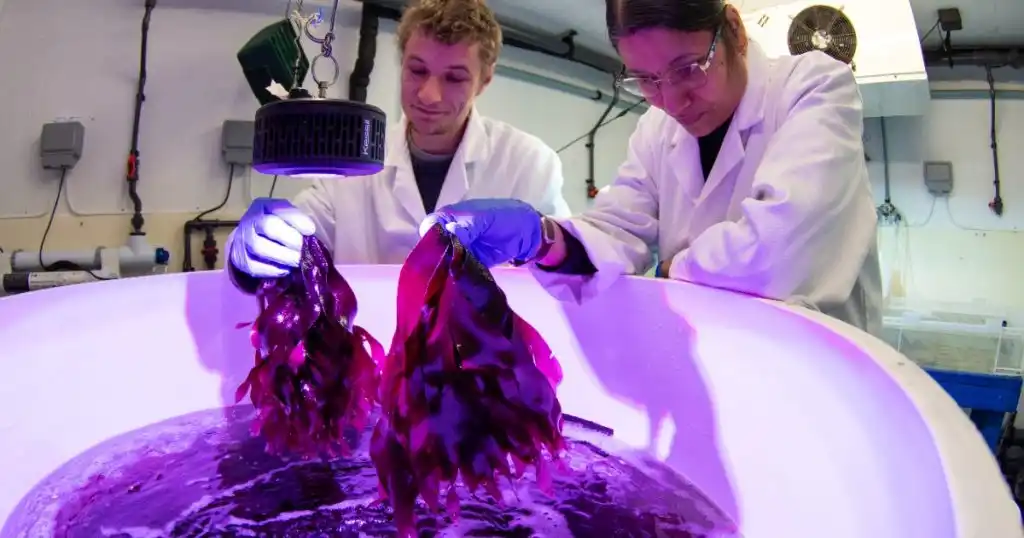
On the scientific side, the College of Aquaculture and Fisheries at Can Tho University presented a super-intensive white leg shrimp farming model based on multi-species RAS or CTU-RAS. The system combines Nile tilapia, biofilter media, and Gracilaria seaweed to treat waste, control water quality, and reuse water.
Research results show shrimp productivity of 3.5–4.5 kg per cubic meter of water, with water replenishment only 10%–20% over the crop cycle. The model also reduces the use of pelleted feed by supplementing natural feed, limits chemical use, and uses no antibiotics. It has the potential to reduce costs, improve biosecurity, and produce high-quality products that meet the food safety and environmental requirements of export markets.
The conference also introduced pilot digital transformation activities in the fisheries sector, including developing farming-area maps and digitizing water-quality monitoring results. Using digital data strengthens management and monitoring, helps farmers access environmental information, and supports proactive risk prevention in production. It also provides a foundation for developing smart aquaculture management and for increasing product traceability.
The conference highlighted the roles of management agencies, scientists, development organizations, and communities in promoting new models. The solutions presented ranged from ecosystem restoration and recirculating aquaculture to technology application and digital transformation. All aim to improve economic efficiency, reduce environmental impacts, and increase product value. These are the basis for a green, sustainable fisheries sector and increased competitiveness in international markets.