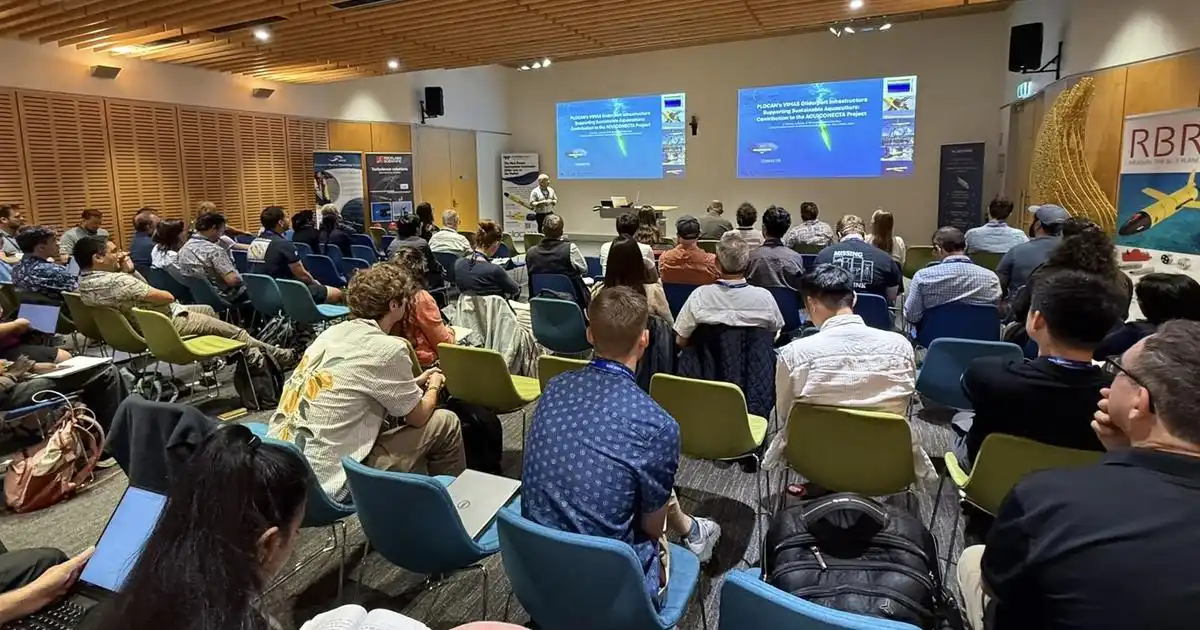
PLOCAN is represented by Carlos Barrera, head of the VIMAS facility (Underwater Vehicles, Instruments and Machines) at PLOCAN, who has played an active role in the conference program. On Monday, November 16, he chaired the “Glider Advances” session, covering operator tools, satellite telemetry, and new glider applications, and on Tuesday, November 17, he spoke in the “Global Glider Programs” session, alongside representatives of national and international programs from the United States, Japan, France, and Australia.
In his talk, entitled “PLOCAN’s VIMAS Gliderport Infrastructure Supporting Sustainable Aquaculture: Contribution to the ACUICONECTA Project,” Barrera presented VIMAS’s capabilities as support infrastructure for operating ocean gliders and other autonomous vehicles from the Canary Islands, and their application to observing the marine environment around offshore aquaculture.
This approach is framed within ACUICONECTA, a project of the INTERREG VI-D Madeira–Azores–Canarias Program (MAC 2021–2027), co-financed by the ERDF and scheduled to run until October 2028. Led by the Canary Islands Institute of Technology (ITC), it aims to connect research, industry, institutions, and society to foster sustainable, productive, and resilient aquaculture across Macaronesia.
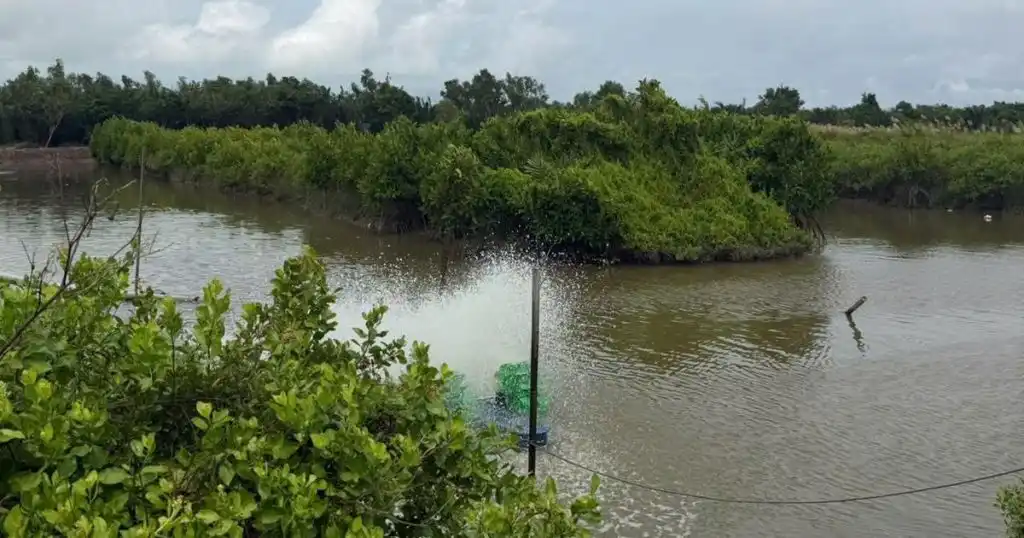
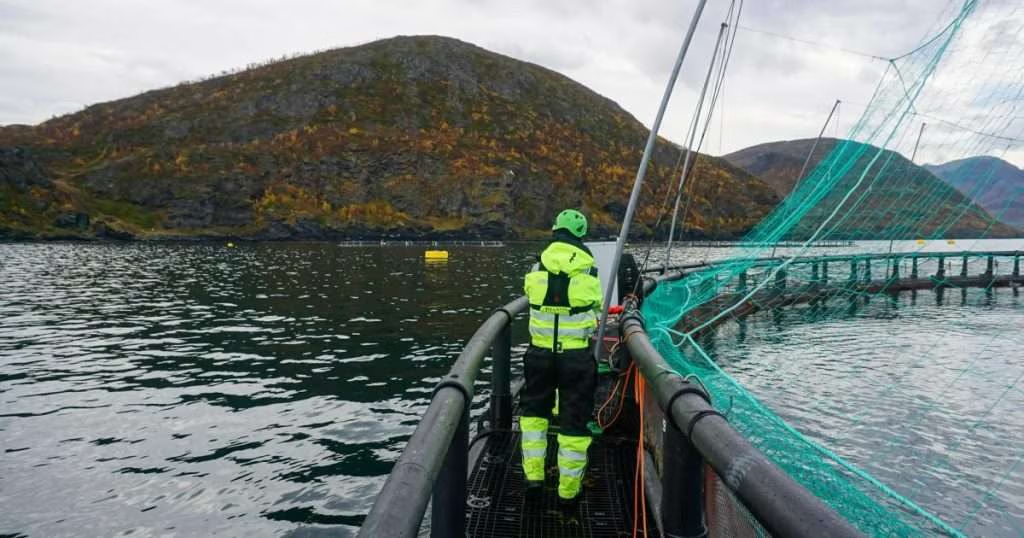
Within ACUICONECTA, PLOCAN will help validate technologies for offshore aquaculture through its marine test bed, its ocean observation capabilities, and its data acquisition and telemetry systems. It will combine fixed systems, such as an EGIM-type multiparameter buoy, with mobile autonomous platforms (VIMAS)—underwater gliders and unmanned surface vehicles (USVs)—to monitor water-quality parameters including temperature, salinity, dissolved oxygen, pH, and turbidity, as well as underwater sound. Gathered data will be relayed to onshore control and analysis centers, making it possible to test prototypes and monitoring technologies under real open-sea conditions, support the design and scale-up of solutions together with the consortium, and make PLOCAN’s scientific and technological services available to the aquaculture sector.
For Barrera, attending forums of this kind is an essential part of the infrastructure’s strategy. “International events such as IUGC bring together glider manufacturers, operators and users from all over the world in one place. For PLOCAN, it is a strategic opportunity to compare our experience with that of the major international programs, learn first-hand about the latest technological innovations, build alliances and give visibility to the Canary Islands as a reference platform for operating and validating autonomous vehicles, now also serving aquaculture sector,” he said.
The conference agenda also features sessions on the OceanGliders initiative, harmonized data formats and tools, operations and piloting automation, passive acoustics, and sustained observations, together with a trade exhibition with manufacturers and suppliers from the sector (Teledyne Marine, ALSEAMAR, CLS, RBR, D2, Rockland Scientific, CSCS, among others)—a setting well suited to technology transfer and operational exchange.
Through its participation in IUGC 2026, PLOCAN strengthens its standing in the international ocean robotics community and showcases VIMAS’s work in ocean observation and in the development of more sustainable and better-monitored aquaculture in the Atlantic.