The international market for the red seaweed Palmaria palmata, commonly known as dulse, has an estimated value of $437 million, and the species is 40 times more valuable per tonne than kelp. Used primarily as a high-end food product, global demand for the product is currently outpacing supply.
The prospect of a new UK industry was explored during a workshop hosted by SAMS, a partner of UHI, in collaboration with UK Seaweed Network and Seaweed Scotland, and attended by seaweed industry experts from across Europe, representing academia, business, and NGOs.
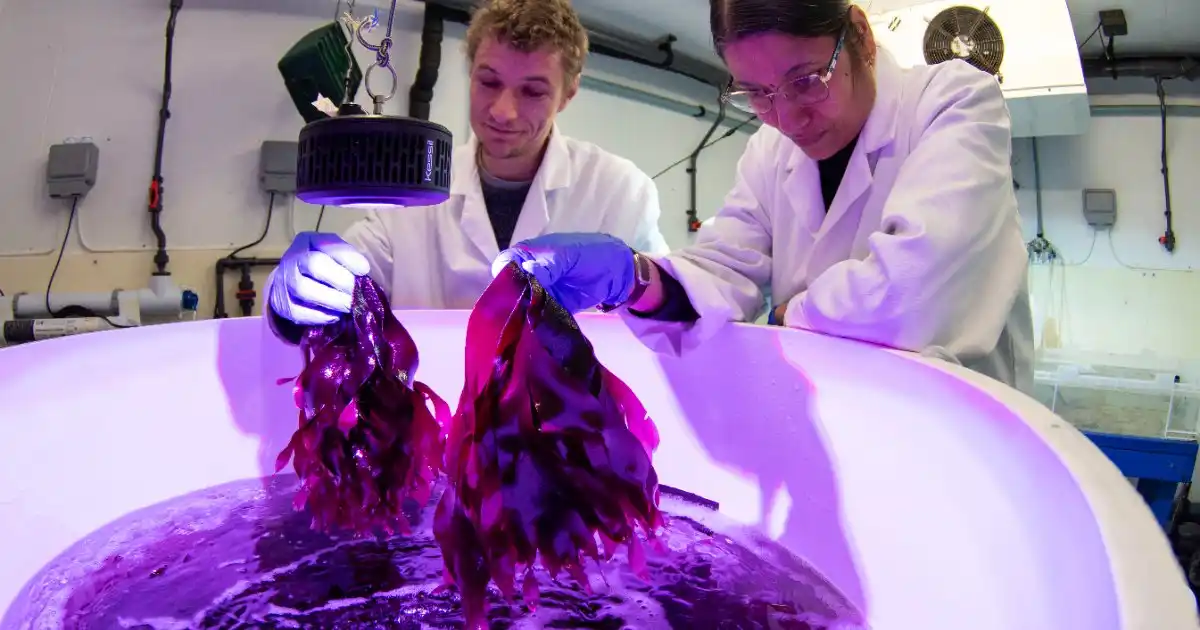
The workshop, Scoping Red Seaweed Cultivation Opportunities in the UK (SCORE), was held on November 17 as a pre-conference satellite event to the Scottish Seaweed Industry Association 2026 conference in Oban. Attendees highlighted the key red seaweed research activity currently underway throughout the UK and Europe, including the developments in tank-based cultivation—a move that could overcome many of the practical issues facing seaweed farmers at sea.
Dr. Philip James of the Norwegian Food Research Institute Nofima, who attended the workshop, said: “The development of the industry is a business issue, not a science issue anymore.
“Existing kelp farms will gradually grow more valuable species if the business case can be proven. We know red seaweeds can be grown successfully, and the market is already there for Palmaria in particular, but there are still practical issues to overcome, such as biofouling.
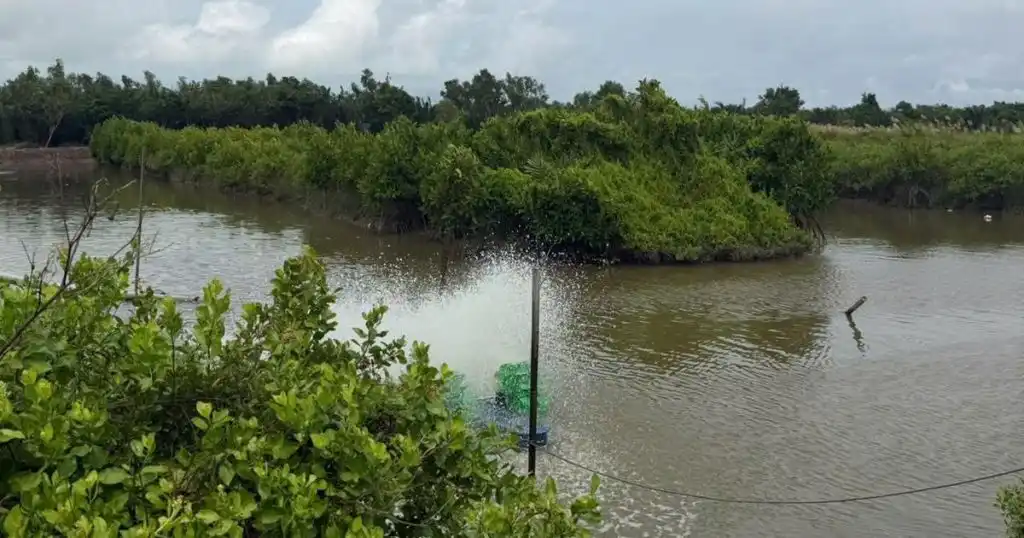
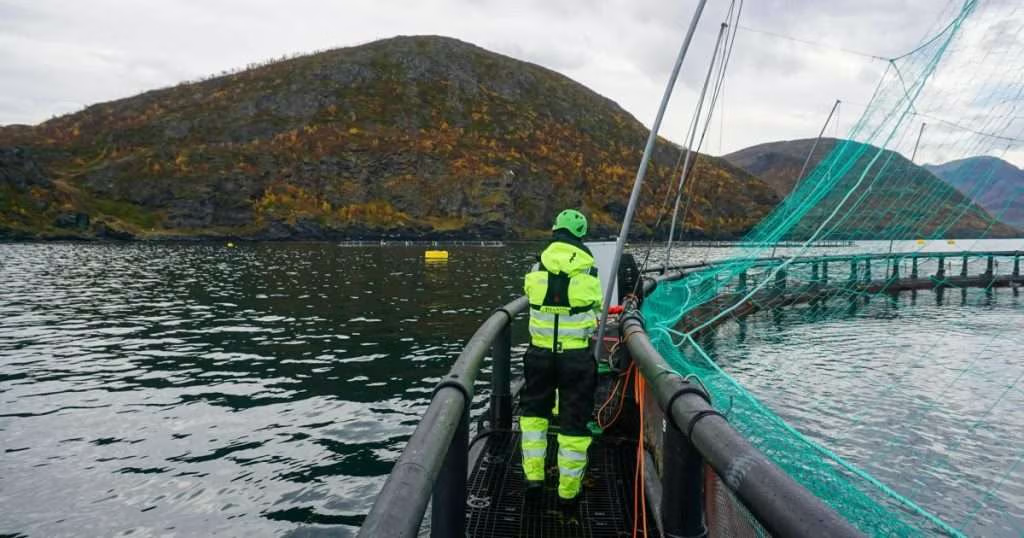
“Land-based cultivation could be an answer to that, but it is not in people’s heads in Norway at the moment; they don’t know enough about it. And if you talk to salmon producers, they don’t want to grow seaweed on land at this stage, but they would be open to having a nutrient-hungry seaweed species growing in beside them.
“However, as we move forward, it is really important to have a realistic business model and to realize some of the hype.”
Through the FABRICS project, SAMS investigated growing methods of Palmaria palmata, and described ‘phenomenal’ growth rates in the institute’s aquarium, observing a doubling in biomass every week.
SAMS scientist Dr. Puja Kumari, who chaired the workshop, said: “There is potential for red seaweeds like Palmaria to be part of a UK seaweed farming industry.
“It is difficult to grow and, although Palmaria palmata can be found along the Atlantic coast, natural stocks are limited. The industry has also struggled with high mortality rates at the hatchery stage, linked to infestation by disease.
“The Palmaria industry cannot only depend on the wild harvest, in the face of climate change, where Palmaria biomass were completely bleached and cooked by marine heatwaves this year off the Brittany coast. The industry needs to develop sustainable reliable alternatives to meet the market demand and land-based cultivation is promising. Though growing seaweeds in land-based system is not new, it’s not been much explored in the UK at the commercial level.
“The seaweed stakeholders at the workshop expressed confidence in the future of red seaweed industry in the UK and European region and I think we identified solutions, as well as potential issues, related to its growth.”
Find out more about the FABRICS project: FABRICS — Scottish Association for Marine Science, Oban UK