This spring through fall, in collaboration with CBSA, DFO staff conducted 871 watercraft inspections at the Emerson-Pembina international border crossing in southern Manitoba. Watercraft were inspected to ensure they were cleaned, drained, dried, and free of any aquatic invasive species.
The results of this year’s inspections underscore the importance of cleaning, draining, and drying watercraft and gear after leaving a body of water to help prevent the introduction and spread of aquatic invasive species into Canada. The 2026 inspections found that:
- 232 watercraft (27%) had not been cleaned, drained, or dried and, as a result, failed the inspection.
- 38 decontaminations (4%) were performed.
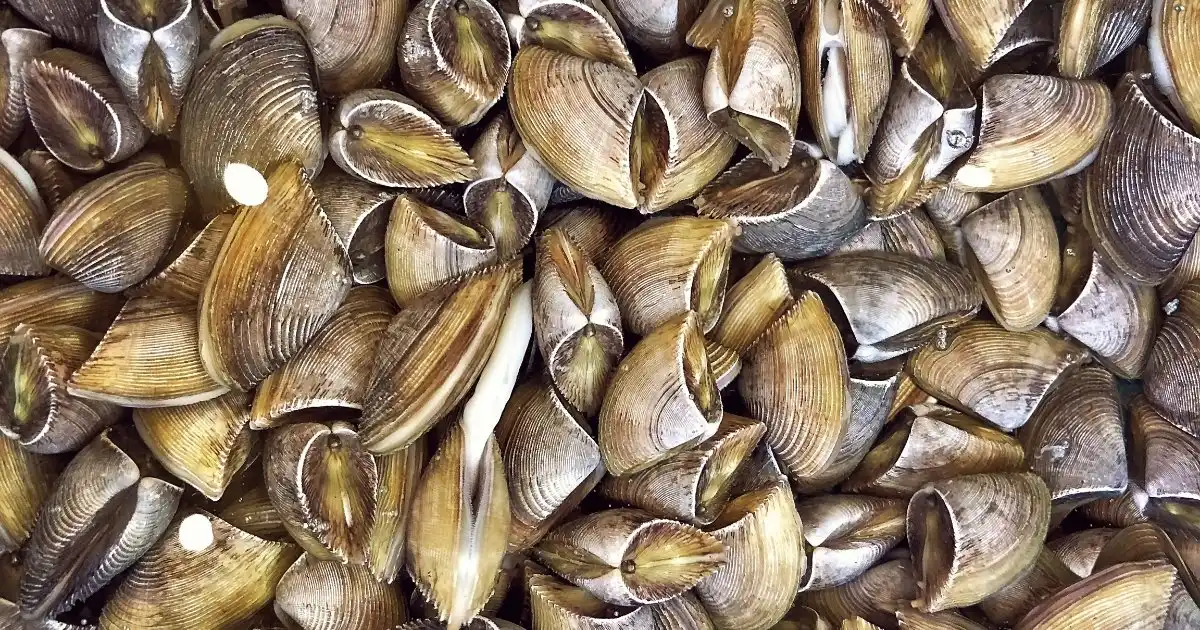
- 15 watercraft (1.7%) had visible invasive mussels.
- 9 watercraft (1%) were denied entry into Canada due to invasive mussel contamination.
These results, as well as results from previous years, emphasize the need for continued watercraft inspections. DFO plans to continue the Emerson-Pembina watercraft inspection project in collaboration with CBSA in 2027. This ongoing effort aims to ensure the protection of Canada’s freshwaters for future generations.
“For five years, Fisheries and Oceans Canada and the Canada Border Services Agency have worked together at the Emerson-Pembina border to prevent aquatic invasive species from entering Manitoba’s waters. This work is vital to protecting our freshwater ecosystems and biodiversity, and I thank the officers and staff whose dedication continues to make a difference,” said the Honorable Joanne Thompson, Minister of Fisheries.
“As travel and tourism to Canada increase, so do the risks of introducing invasive aquatic species, which can significantly harm our environment and sectors of our economy. The Canada Border Services Agency is working with Fisheries and Oceans Canada to secure Canada’s borders against the threat of invasive species and enforce our regulations and laws,” said the Honorable Gary Anandasangaree, Minister of Public Safety.
Quick Facts
- Aquatic invasive species are freshwater or marine plants, animals, algae, and micro-organisms introduced outside their natural or historical distribution. They can have significant negative impacts on the environment, economy, society, and human health.
- Invasive species pose a serious threat to the biodiversity of Canada’s waters. After habitat loss, they are the second biggest threat to global biodiversity. They can grow quickly, compete with native species, alter habitats, and cost billions of dollars annually in damage to infrastructure and revenue loss in Canada.
- Under the Aquatic Invasive Species Regulations, it is illegal to possess, transport, and release Zebra Mussels in Manitoba, Saskatchewan, Alberta, and British Columbia. It is also prohibited to import Zebra or Quagga Mussels into Canada, except within the transboundary waters of the Great Lakes in Ontario and transboundary waters of Quebec.
- This spring through fall, in collaboration with CBSA, DFO staff conducted 871 watercraft inspections at the Emerson-Pembina international border crossing in southern Manitoba. Watercraft were inspected to ensure they were cleaned, drained, dried, and free of any aquatic invasive species.
- The CBSA works with DFO to safeguard the environment and economy. The CBSA enforces the Aquatic Invasive Species Regulations by collaborating with DFO in conducting watercraft inspections at the international ports of entry as well as through CBSA’s inspections of aquarium and aquaculture shipments in the commercial stream.
- When CBSA officers suspect they have found an aquatic invasive species, they may deny travelers entry to Canada or refer them to DFO. Travelers may be held responsible for any costs related to the disposal, quarantine, treatment, or removal of these invasive species from Canada.