The findings, from a modeling study published in Science, come amid greater calls for control of marine mammal predators. But, say the study’s authors, “[l]arge-scale removals of pinnipeds and seabirds would require expensive, logistically challenging, and socially controversial operations, while providing little ecological return, according to our results.”
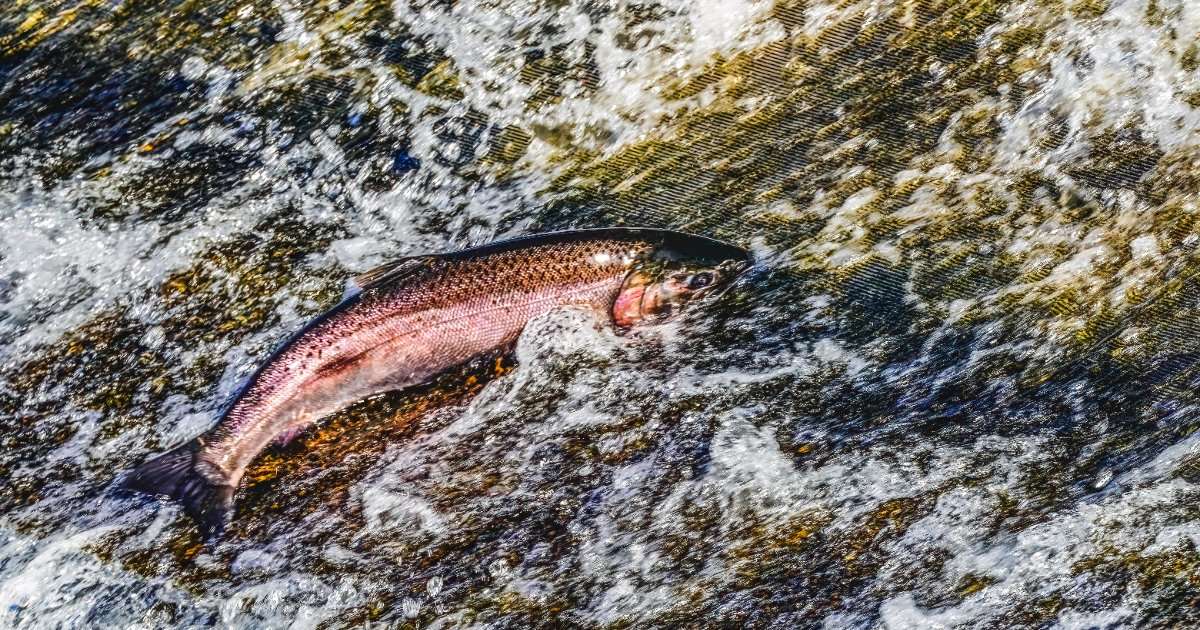
Wild salmon populations along the US West Coast have declined sharply because of overfishing, habitat loss, and deteriorating ocean conditions due to climate change. As recovery efforts have struggled, marine predators such as seals and sea lions have come under scrutiny, prompting calls for population culls to reduce salmon mortality. However, removing predators can have complex, indirect effects throughout marine food webs, making the overall benefits to salmon uncertain.
To better assess these trade-offs, Dylan Gomes and colleagues used a comprehensive ecosystem model to examine how marine predator reductions, changing food-web dynamics, and alternative management strategies could affect Chinook and coho salmon populations in Northern California, Oregon, and Washington. Their analysis suggests that widespread culling of seals, sea lions, seabirds, and other marine predators would do little to restore depleted salmon populations. Although these animals consume salmon, they also prey on other fish that compete with or feed on salmon, meaning their removal can trigger food-web changes that offset any direct benefits. While targeted removal of individual predators at migration bottlenecks may sometimes help, large-scale marine culls are likely to be costly and ineffective.
By contrast, reducing Pacific hake—a far more abundant fish that consumes juvenile salmon and competes with them for food—produced the strongest modeled increases in salmon biomass. However, the authors caution that increasing hake harvests to benefit salmon could create new challenges, including greater salmon bycatch and broader ecological consequences. Moreover, the study highlights the growing influence of ocean warming, which is changing the abundance and distribution of potential competitors and prey species and will likely have significant consequences for salmon populations.
“Our findings reinforce that broad predator removals are both ethically and socially problematic and ecologically ineffective and that marine management efforts for salmon are better directed toward addressing competition from abundant fish predators, restoring prey availability, and mitigating climate-driven change,” Gomes et al. write.