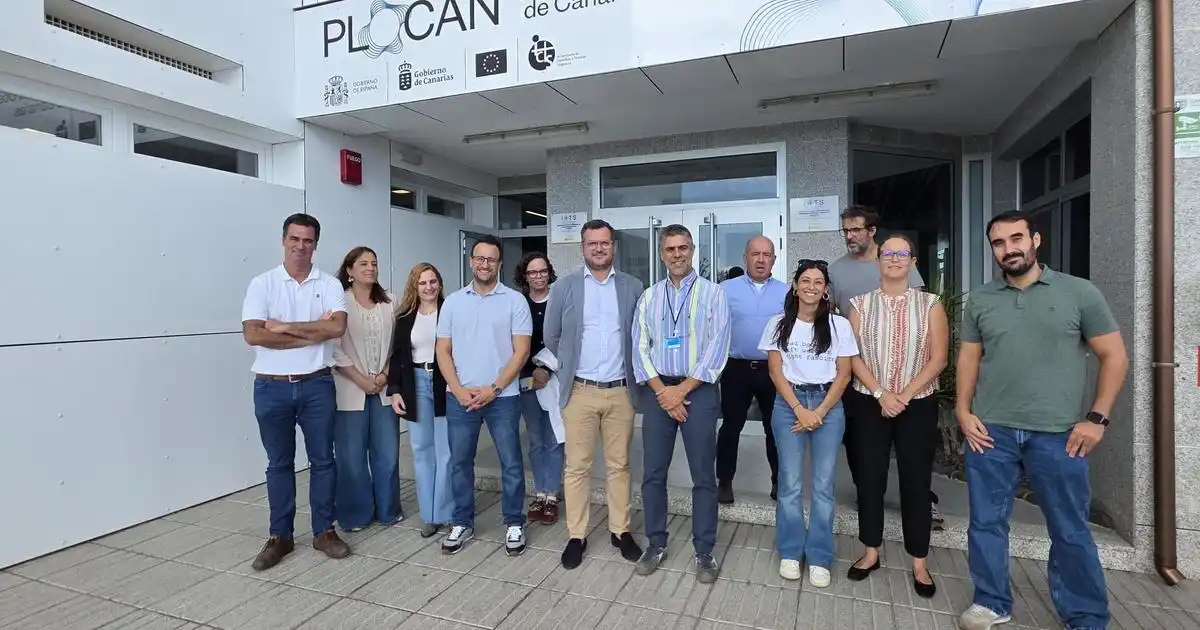
During the meeting, PLOCAN’s management and technical staff showcased the infrastructure’s capabilities and presented some of its main areas of activity relating to the marine and fisheries sectors. The meeting provided an opportunity to exchange knowledge and explore potential avenues for cooperation in sustainability, digitalization, ocean observation, and technological development.
Topics discussed included marine renewable energy and its contribution to decarbonization, with particular emphasis on offshore wind energy, as well as integrated multi-trophic aquaculture and regulatory requirements for authorizing activities at sea.
The discussions also explored the potential of data management and artificial intelligence to enhance understanding of the marine environment and support applications such as vessel identification. PLOCAN’s capabilities in marine robotics, autonomous vehicles, and ocean observation systems were also highlighted.
Environmental monitoring and marine litter were among the other issues addressed, alongside PLOCAN’s initiatives in responsible research, education, and science communication, including those linked to the Blue Schools program.
The meeting fostered an open exchange of views on potential areas of collaboration and next steps, with a view to bringing together the Directorate-General for Fisheries’ responsibilities and expertise with PLOCAN’s scientific, technological, and operational capabilities.
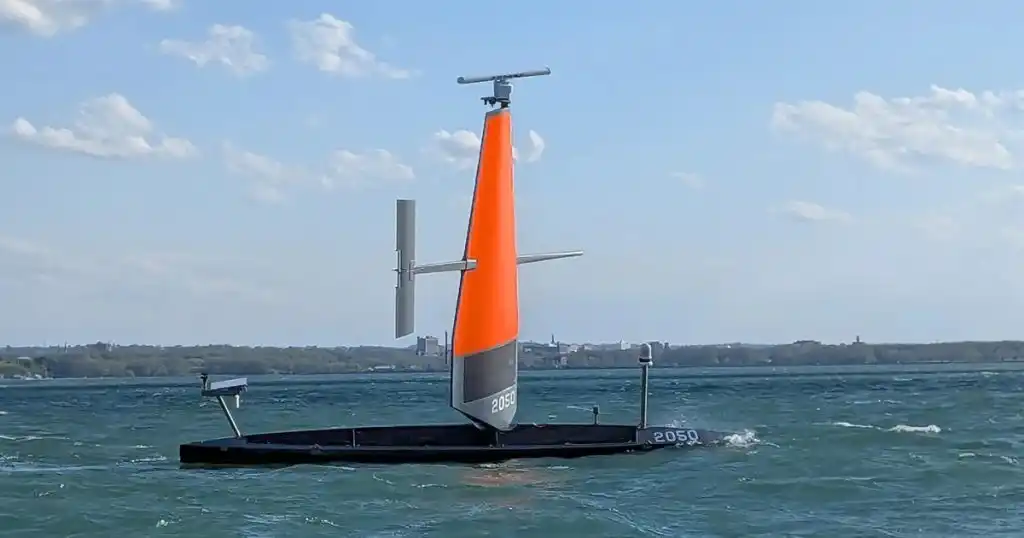
The visit concluded with a tour of PLOCAN’s Underwater Vehicles, Instruments and Machines Laboratory, where the delegation had the opportunity to see a range of platforms and technologies used in ocean observation and exploration, including underwater gliders, remotely operated vehicles (ROVs), and autonomous systems.