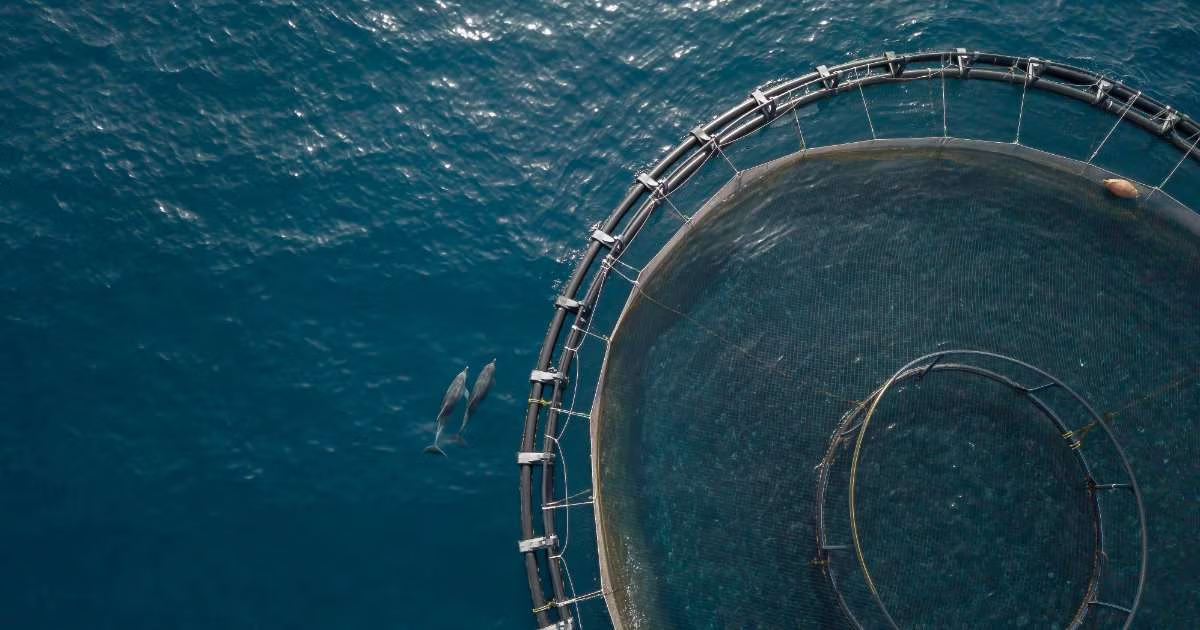
The bipartisan legislation creates a thoughtful, science-based pathway for determining how open ocean aquaculture can be developed responsibly in US waters. Through carefully designed research and demonstration projects, the MARA Act would help fill critical knowledge gaps and generate the evidence needed to inform future decisions about whether, where, and how the sector should grow—while maintaining strong environmental safeguards and protecting ocean health.
The legislation reflects years of engagement among a diverse group of stakeholders seeking a responsible approach to US aquaculture, including fishermen, seafood producers, chefs, marine scientists, academics, and ocean advocates.
Maddie Voorhees, US Aquaculture Campaign Director at the Environmental Defense Fund, said: “The vote is a major milestone for US aquaculture and demonstrates what is possible when diverse stakeholders and bipartisan leaders come together around a science-based approach. The MARA Act recognizes that the future of open ocean aquaculture in the United States should be informed by rigorous research, strong environmental safeguards, and the experiences of the coastal communities that depend on healthy oceans.
“Our coalition brings together fishermen, chefs, scientists, seafood producers, and ocean advocates who may come to this issue from different perspectives but share a commitment to getting aquaculture right. The MARA Act creates a responsible pathway for future decision-making by investing in the research needed to better understand how offshore aquaculture can contribute to American seafood production while protecting ocean health and fishing communities.
“We thank Senators Brian Schatz and Roger Wicker for their bipartisan leadership and celebrate the Senate Commerce Committee for advancing the MARA Act out of committee. We look forward to continuing to work with leaders in Congress to build on this momentum and advance a durable, science-based approach to US aquaculture.”