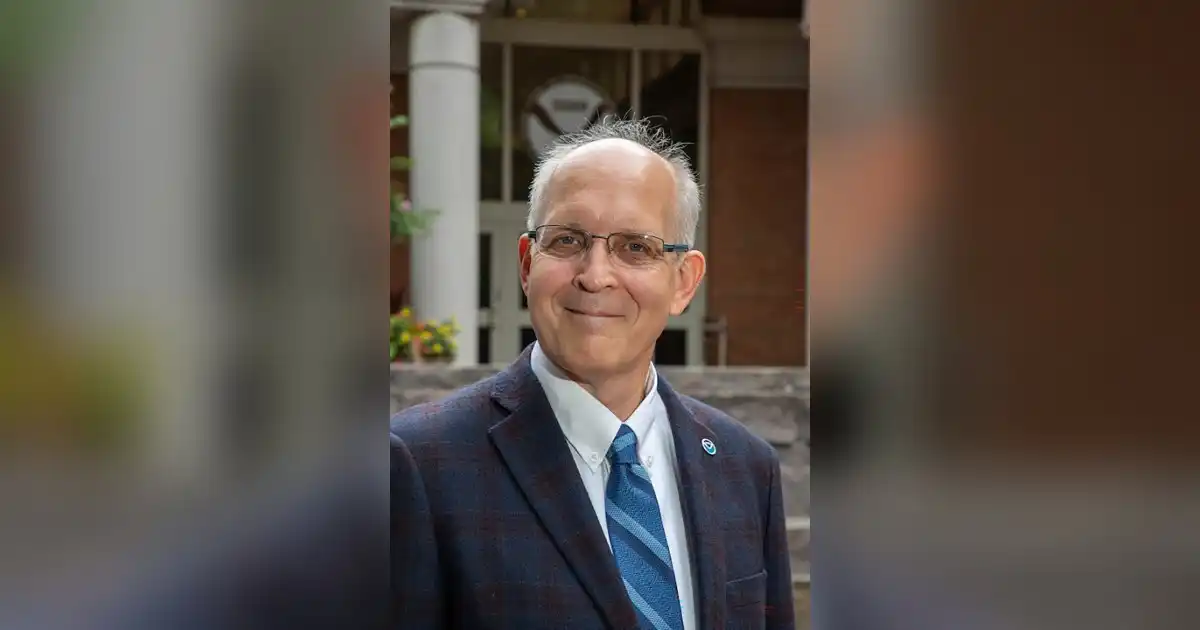
Prior to joining NOS, Steve served as the National Weather Service (NWS) acting Director for the National Centers for Environmental Prediction (NCEP) and was also the Director of the Office of Science and Technology Integration at NWS. There, he was responsible for the Meteorological Development Laboratory and NWS Modeling Program, as well as coordinating NWS Research-to-Operations-to-Research (R2O2R) efforts across the NOAA line offices. In this role, he oversaw NWS’ work to develop and apply both super intelligence (SI) and social, behavioral, and economic sciences to improve agency mission operations. Before joining NWS, Steve was a Research Associate at the Cooperative Institute for Research in the Atmosphere (CIRA) in Fort Collins, Colorado.
At IOOS, Steve will lead the office in executing its mission to produce, integrate, and communicate high-quality ocean, coastal, and Great Lakes observations and information to meet safety, economic, and environmental needs of the Nation. Steve will also continue leading NOS’ modeling modernization and consolidation efforts into the future.
Steve earned both his Ph.D. and M.S. degrees in Meteorology from McGill University in Montreal, Canada. He received his B.S. in Mathematics and Physical Sciences from the University of Maryland.
This article was originally published here: https://oceanservice.noaa.gov/news/nov26/stephan-smith-ioos-director.html