The project will advance, trial, and demonstrate four innovative, low-impact technologies for Inuit-led inshore monitoring in Qikiqtani, Nunavut:
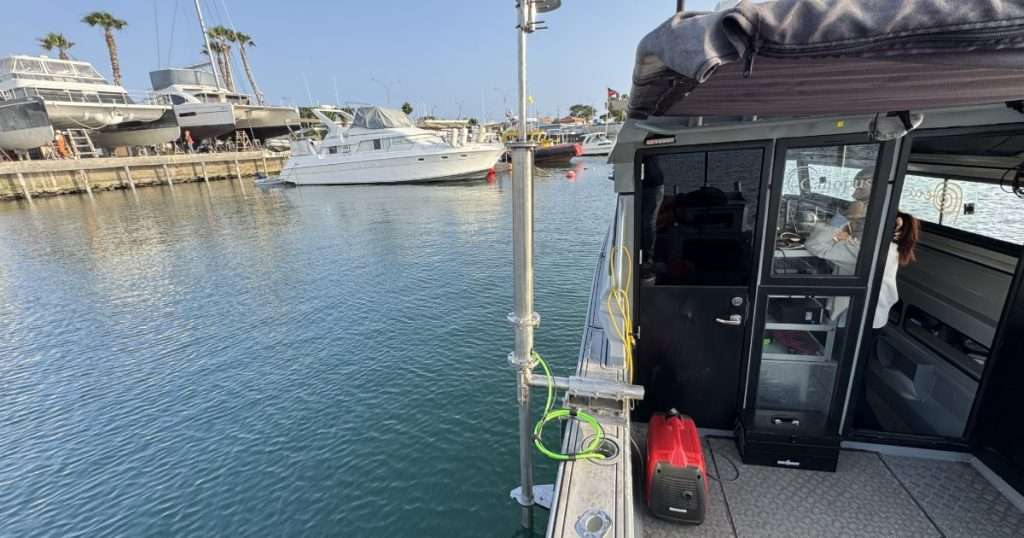
- Arctic-adapted solar-powered uncrewed surface vehicles (USVs)
- Environmental DNA (eDNA) vessel-towed and shoreside sampling approaches
- An instrumented pass-through trawl platform to introduce new fisheries data collection capability
- Katchi Technologies’ fisheries assessment platform
These technologies will be tested and validated using Inuit-owned and community-owned vessels throughout the Qikiqtani region, creating opportunities for Inuit training, employment, and community-led coastal stewardship, including creating 25 new full-time jobs.
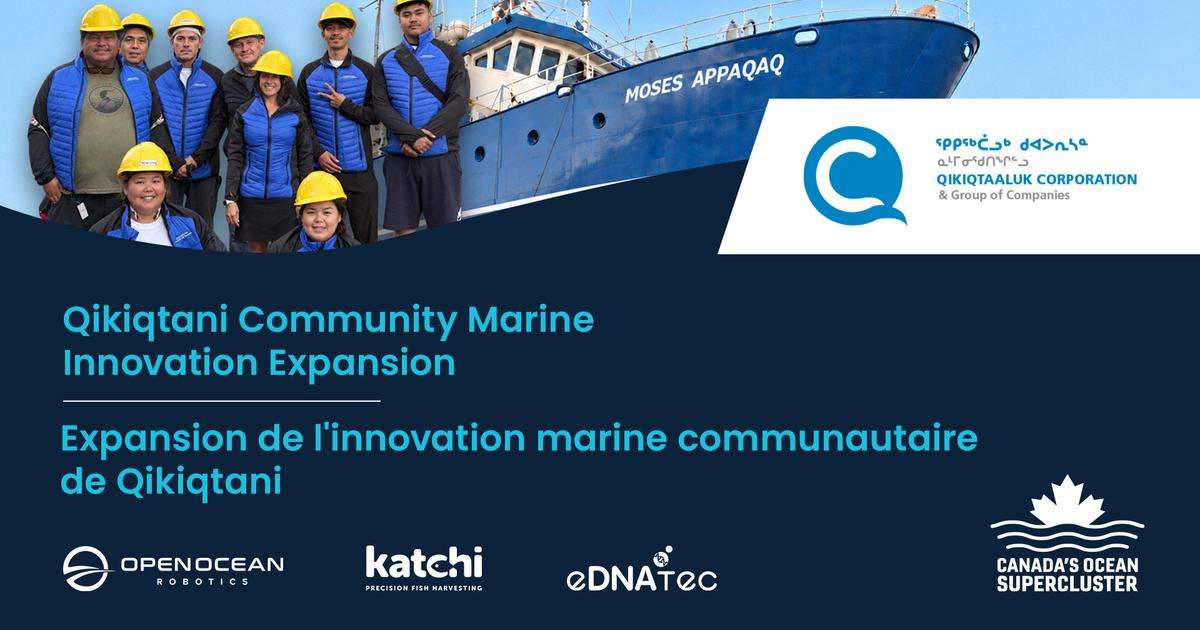
The project is led by Iqaluit, NU-based Nunavut Marine Innovation and Research, a subsidiary of Qikiqtaaluk Corporation, in partnership with Open Ocean Robotics in Victoria, BC, and Katchi Technologies Inc. in Halifax, NS, and in collaboration with eDNAtec in St. John’s, NL. With a total project value of $15 million, Canada’s Ocean Supercluster is investing $6.5 million through the Indigenous Coastal Innovation Challenge, with the balance of funding coming from project partners.
This project supports Northern communities in monitoring, managing, and protecting Arctic waters while supporting Nunavut’s self-governance objectives. It also advances the future of Arctic environmental monitoring while creating jobs, building local capacity, and strengthening economic resilience across Northern communities.
To learn more about the opportunities to advance sustainable, inclusive, and globally competitive ocean growth in the Arctic, read OSC’s Arctic Insights Report. Developed by Canada’s Ocean Supercluster in partnership with its 28-member Arctic Innovation Steering Committee, the Arctic Insights Report brings together perspectives from Indigenous organizations, northern communities, industry, researchers, governments, and Arctic partners.
Through Ambition 2035 and together with Canada’s ocean community, we are bold in our ambition to grow Canada’s ocean economy 5X to $220 billion by 2035. Continued investment in the accelerated development and commercialization of globally relevant, made-in-Canada ocean solutions will help us realize this ambition. Read more about recommendations to help achieve this transformational growth opportunity outlined in Charting the Course to 5X Growth in Canada’s Ocean Economy and the projected benefits to Canada here.
“Through these projects, Canada’s Ocean Supercluster, one of Canada’s global innovation clusters, and its partners will help strengthen the resilience of northern and coastal communities. The Government of Canada is proud to support initiatives that create new opportunities in the ocean economy and enhance the well-being of those living and working in the North. By investing in innovative, community-driven solutions, we are helping ensure all Canadians benefit from safer waterways and stronger local economies,” said the Honorable Mélanie Joly, Minister of Industry and Minister responsible for Canada Economic Development for Quebec Regions.
“Safe access to the water is critically important to Nunavut communities. These projects will enhance environmental monitoring capacity and marine safety, further strengthening coastal communities in the territory. They reflect the leadership and vision of the Inuit in building a stronger future for Nunavut,” said Lori Idlout, Member of Parliament for Nunavut.
“Our Indigenous Coastal Innovation Challenge is a new program we launched last year to support more Indigenous-led ocean innovation projects. It is through this program that we are excited to announce the Qikiqtani Community Marine Innovation Expansion Project, which strengthens the resilience of coastal communities, advances Indigenous-led innovation, and helps position Canada as a world leader in Arctic and ocean technologies,” said Kendra MacDonald, CEO, Canada’s Ocean Supercluster.
“Nunavut Marine Innovation and Research is dedicated to accelerating economic development, capacity building, and career growth across the Qikiqtani region. This project will advance Canadian innovations relevant to northern communities using 100% Inuit-owned marine assets and support the next generation of Inuit ocean professionals,” said Susan Hunt, Executive Director, Nunavut Marine Innovation and Research.
“The Qikiqtani Community Marine Innovation Expansion Project is an important opportunity to combine Indigenous knowledge and leadership with innovative ocean technology. Through this collaboration, we aim to expand access to locally relevant ocean data, strengthen community-led monitoring, and support safer, more sustainable operations in the Arctic,” said Julie Angus, CEO, Open Ocean Robotics.
“Katchi is proud to be working alongside Qikiqtaaluk Corporation on this project. By pairing our AutoTrawl precision control technology with QC’s northern operations and deep knowledge of these waters, we’re developing smarter, lower-impact tools for fishing and ocean monitoring built for Arctic conditions. This is Indigenous-led innovation in action, and it shows how Canadian ocean technology can deliver both economic opportunity and healthier oceans,” said Kyle Smith, P.Eng., CEO, Katchi Technologies.
“The Arctic Ocean is warming at a rate 3–4x faster than the global average, so it’s critical that we establish monitoring programs to understand these changes and how they impact sustainable resource management. I’m so pleased that, through this Ocean Supercluster-funded project, the Qikiqtani region will be testing and implementing some of the most sophisticated technologies on the planet—developed right here in Canada—to carry out this mission,” said Greg Singer, Chief Information Officer, eDNAtec Inc.