Wetlands, Coastal and Nearshore Habitats:
- Lower Perdido Islands Habitat Restoration—Phase II (also listed under Birds Restoration Type)
Nutrient Reduction:
Puppy Creek—Juniper Creek-Big Creek Nutrient Reduction
Birds:
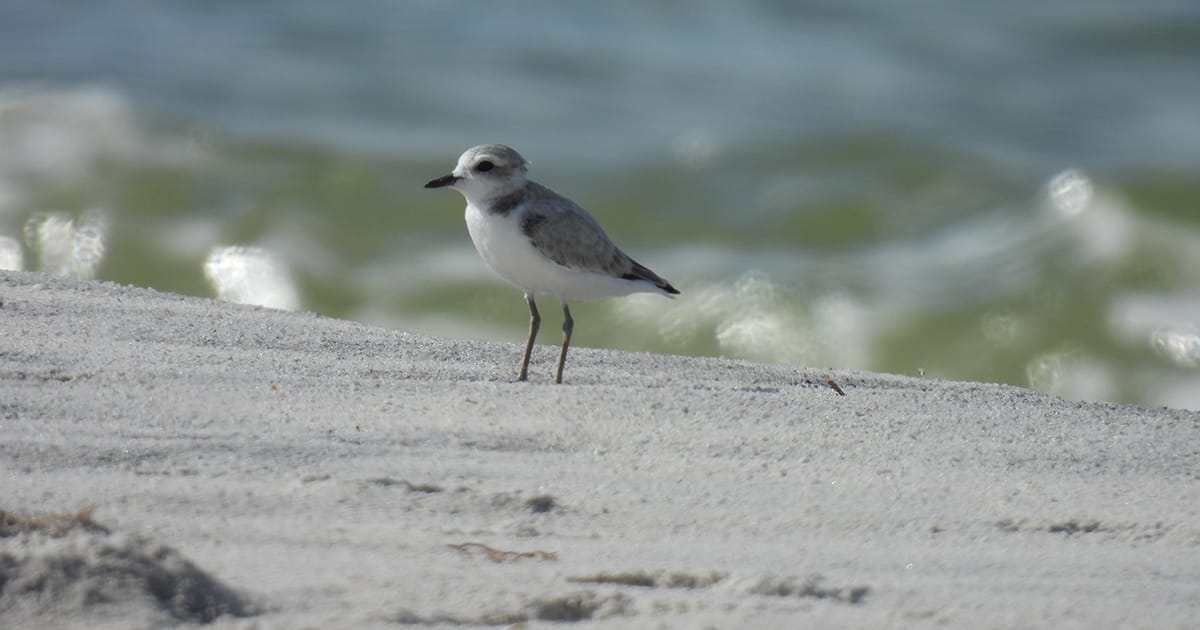
- Stewardship of Coastal Alabama Beach Nesting Bird Habitat
- Lower Perdido Islands Habitat Restoration—Phase II (also listed under Wetlands, Coastal, and Nearshore Habitats Restoration Type)
Oysters:
- Improving Resilience for Oysters by Linking Brood Reefs and Sink Reefs (Large-scale)—Component 4—Mid-lower Mobile Bay, AL
- Oyster Grow-Out and Restoration Reef Replacement—5-Year Continuation
Provide and Enhance Recreational Opportunities:
- Bayfront Park Restoration and Improvement Phases IIa and IIb
- Laguna Cove Little Lagoon Natural Resource Protection—Small Scale Amenities
The Alabama TIG began this restoration planning effort earlier this year by reviewing all projects analyzed in previous Restoration Plans developed by the Alabama TIG, Regionwide TIG, and the Deepwater Horizon Trustees during Early Restoration. They then identified projects that had the potential to provide restoration benefits in the Alabama Restoration Area if they were continued or expanded upon. Eleven preferred and non-preferred alternatives were included in the Draft Restoration Plan IV and Environmental Assessment, which was released for public review and comment in June 2024. The Alabama TIG held a webinar and accepted public comment on the plan through July 24, 2024. During the comment period, more than 3,500 comments were received in support of the projects in the plan.
The final Restoration Plan and Environmental Assessment reflects revisions to the draft plan resulting from public comments and continuing Trustee project development. The plan aims to partially compensate the public for injuries to natural resources and resource services in the Alabama Restoration Area and is consistent with the Trustees’ Programmatic Restoration Plan.