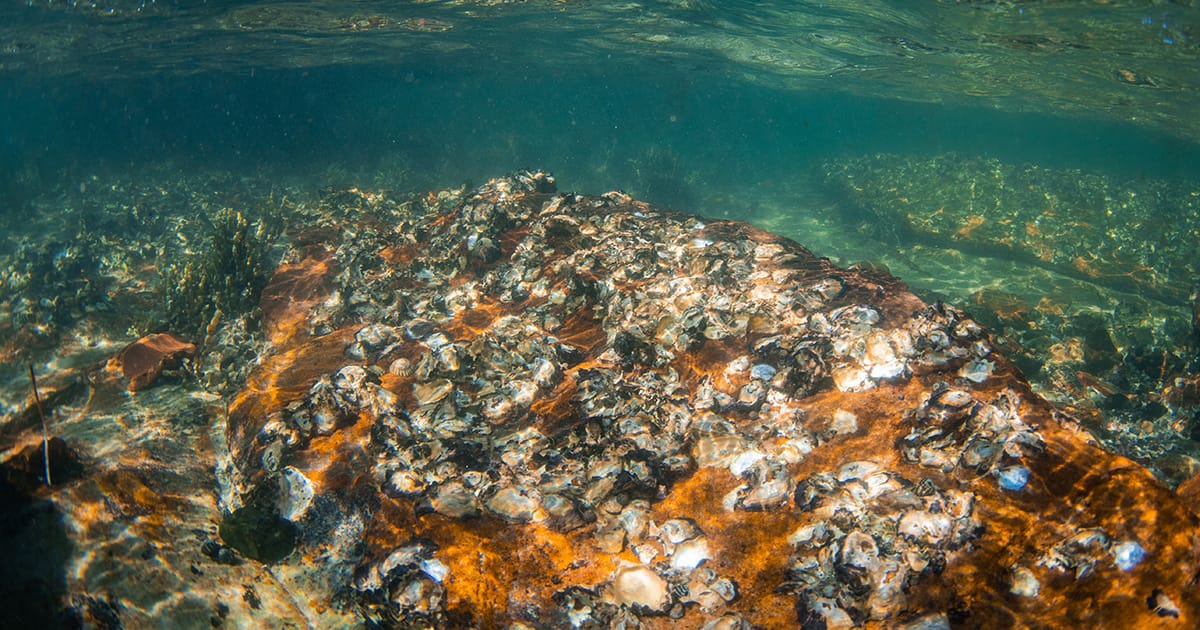
A study presented on Dec. 9 at the annual meeting of the Society for Risk Analysis in Washington, D.C., sheds light on the potential impacts of residual drug discharges on marine organisms. The findings suggest that traces of fentanyl, ketamine, and benzoylecgonine (a byproduct of cocaine) can affect the swimming behavior and survival rates of oyster larvae living in contaminated saltwater environments.
“High drug consumption, continuous discharge and persistence contribute to the presence of drugs of abuse in surface waters, exposing aquatic organisms to chronic, low-level doses,” said Gustavo Salcedo, lead author of the study and a Ph.D. candidate in the Francis College of Engineering at the University of Massachusetts Lowell.
Researchers from the University of Massachusetts Lowell investigated the physiological and molecular effects of three commonly detected psychoactive drugs—fentanyl (a synthetic opioid), ketamine (an anesthetic drug), and benzoylecgonine—on the larvae of C. virginica oysters (known as commonly farmed Eastern oysters). For the physiological assessment, three-day-old larvae were exposed to environmentally relevant concentrations of the drugs in saltwater over two weeks. Their survival and swimming behavior were monitored. For the molecular analysis, larvae were exposed to drugs for 12 hours, with changes in the expression of four stress biomarker genes (mapk14, hsp70, sod1, and gst) measured at different time points.
Key Findings:
- After two weeks of exposure, survival declined in all treatments and doses.
- Benzoylecgonine caused the greatest reduction in survival rate (62–76% lower than normal)
- Larvae exposed to ketamine showed significantly decreased swimming speeds—most becoming completely motionless.
- Notable shifts in swimming behaviors were observed. Motion changed from predominantly rectilinear (normal movement) to circular (fentanyl) or motionless (benzoylecgonine and ketamine).
- Larvae exposed to benzoylecgonine showed a seven-fold increase in sod1 expression after four hours—indicating a stress response in the oyster larvae.
“Our findings highlight the need for ecological risk assessments of these emerging contaminants in marine ecosystems—an area much less studied than freshwater environments,” added Sheree Pagsuyoin, principal investigator of the study and associate professor in civil engineering at UMass Lowell.
More information on the study: https://www.sciencedirect.com/science/article/pii/S0147651325009340