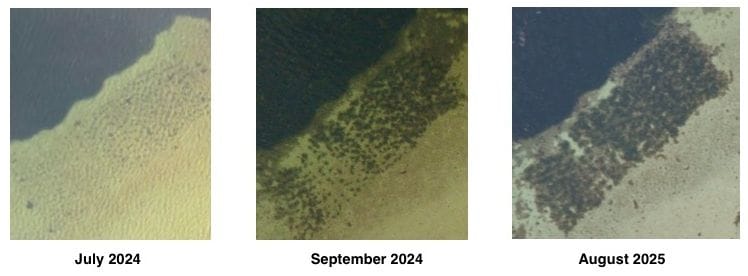
Using an innovative technique that translocated seagrass shoots instead of planting seeds, the project has achieved a remarkable increase in seabed coverage—from 10% to 70% in just 15 months—with an impressive 97% survival rate.
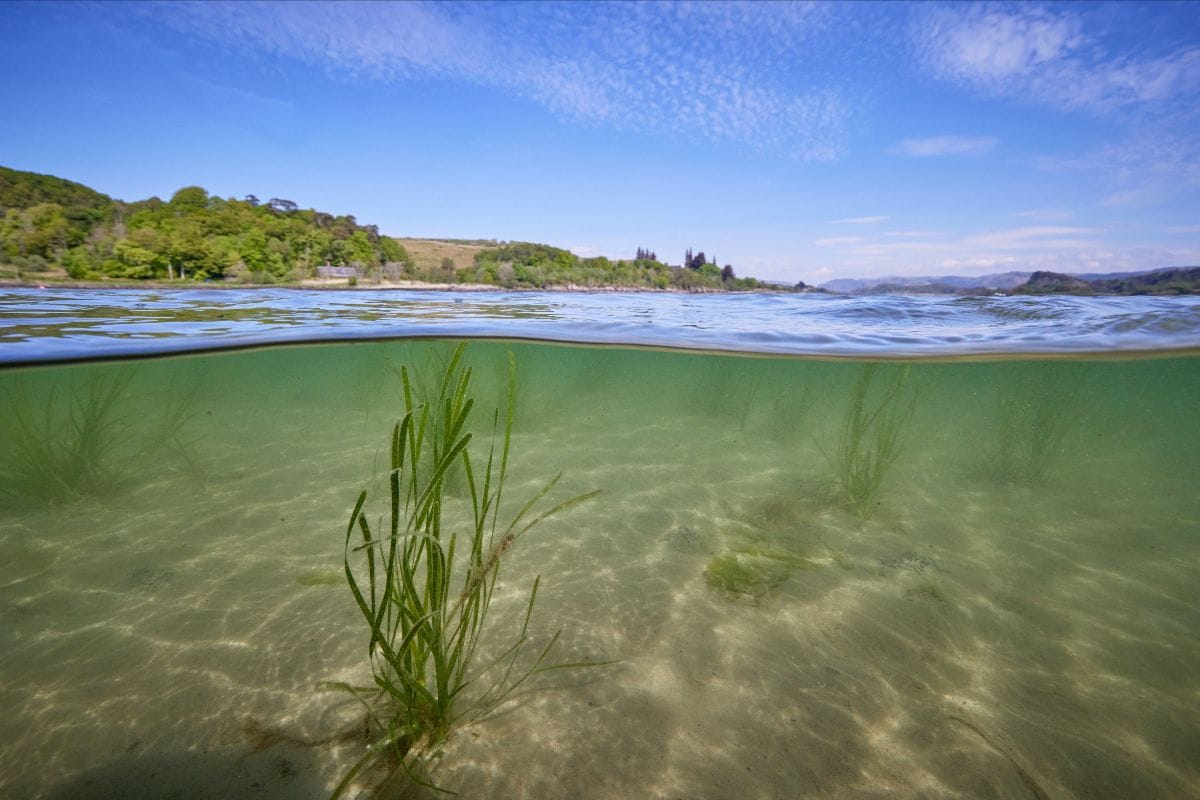
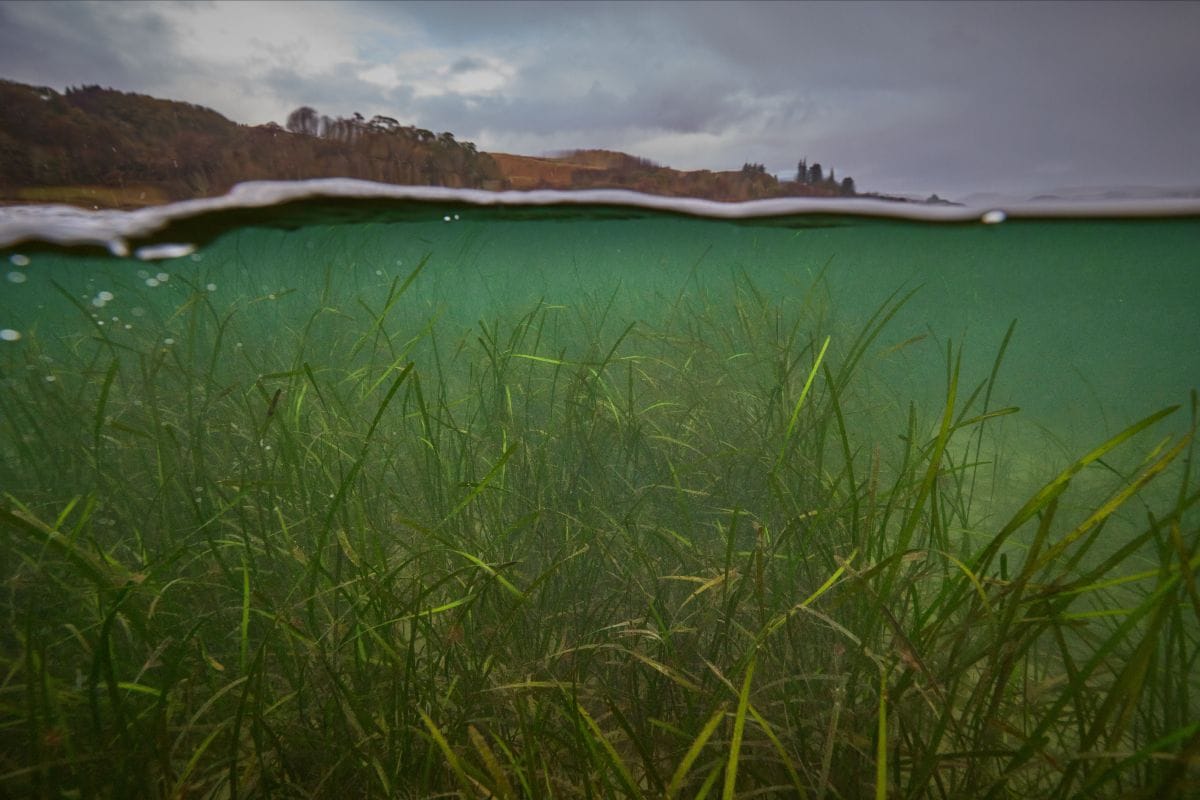
Seagrass is the ocean’s only flowering plant and provides a vital habitat for marine biodiversity as well as being an important carbon sink, yet it has been disappearing at an alarming rate since the 1900s. Efforts to restore seagrass are dogged by failure, but Seawilding’s new methodology is showing unprecedented success.
For the last 10 years, efforts around the UK have focused on restoring seagrass habitat mainly by sowing seagrass seed. Yet success has been limited, with few examples of widespread seagrass habitats becoming established.
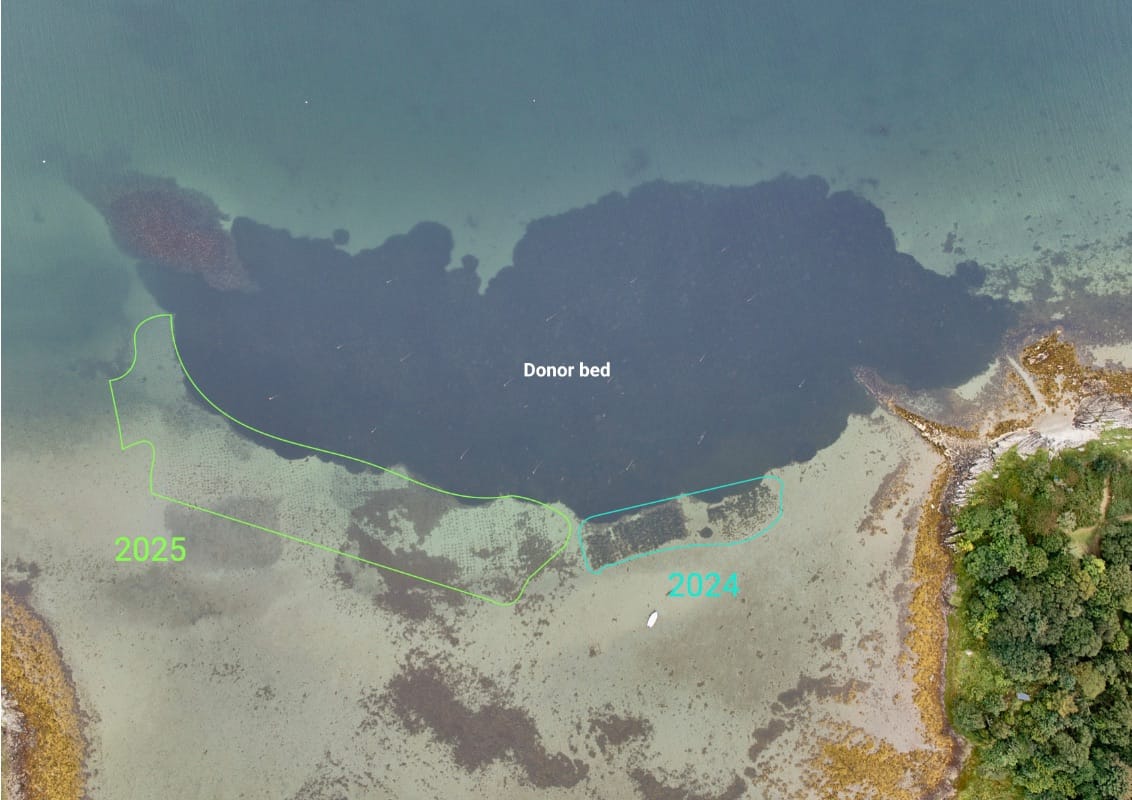
Since 2024, Seawilding has been trialing a new approach, transplanting tens of thousands of adult shoots from existing seagrass “donor” meadows to remarkable effect. Since July 2024, a newly planted area saw an increase in seabed coverage from 10% to more than 70% in just 15 months, while in 2025, a new trial achieved 97% survival of transplanted seagrass shoots and an average four-fold increase in seabed coverage in just 6 months.
Altogether, this has resulted in an area of 0.3 hectares of newly created seagrass habitat. Crucially, the impact of shoot extraction from the existing ‘donor’ meadow appears negligible. Even when harvested at 25% across an area, in just 5 months, shoot density was back to near-natural levels.
For seagrass restoration in the UK, these trials represent a significant leap forward in technical success and are likely one of the most successful establishments of seagrass habitat in the UK to date. Full details of our results will be shared in our annual report later this year on our website.
“It’s an exciting breakthrough,” said Will Goudy, Seawilding’s Seagrass Lead. “We’ve trialed multiple methods over the last 5 years, and had our fair share of failure, but with this methodology we’re proving it’s possible to restore seagrass at scale.”
The next step for Seawilding is to keep building on this success by refining the harvesting and planting efficiency and trialing this successful method in new locations, all while continuing to support the recovery and restoration of our seas.