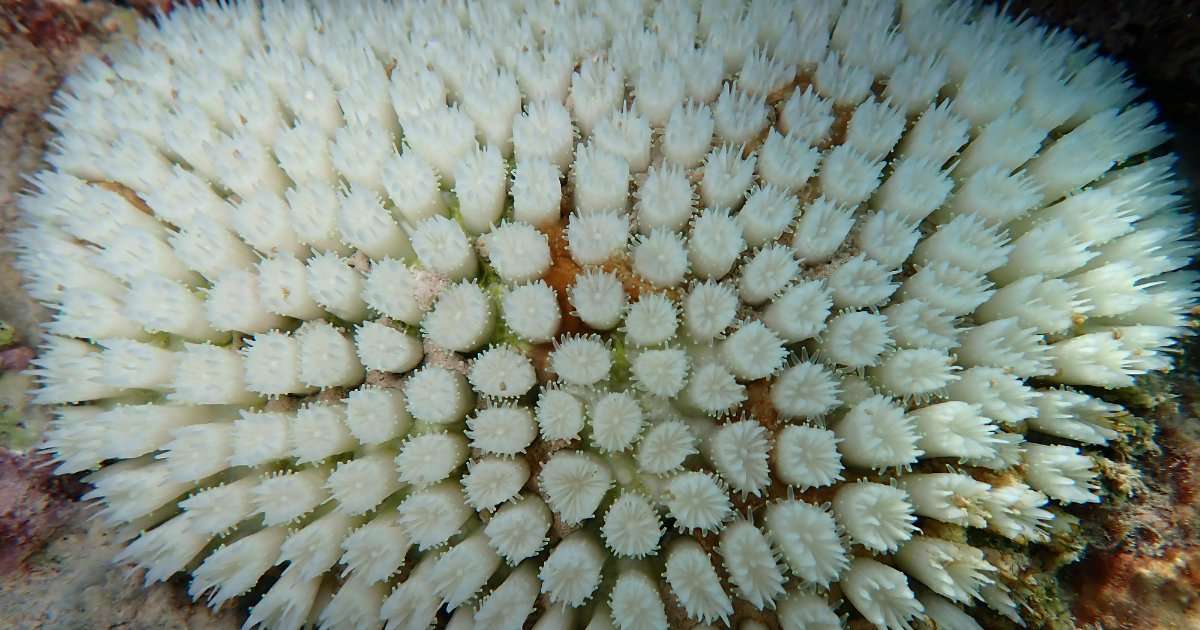
Published in Biological Conservation, the study provides the most comprehensive assessment yet of their cumulative ecological impacts, synthesizing published and emerging research from WA’s most significant marine heatwave events and combining it with oceanographic analyses to better understand how repeated and increasingly intense heatwaves are reshaping marine environments.
The research forms part of the UN-endorsed project ‘Advancing predictions of Western Australian marine heatwaves and impacts on marine ecosystems,’ which brings together scientists from around Australia to better forecast and respond to extreme marine heatwaves.
Lead author Dr. Emily Lester from WA’s Department of Primary Industries and Regional Development said the study marked an important step forward in understanding the broader ecosystem consequences of marine heatwaves, as well as the growing risks to the State’s coastal industries.
“WA has experienced some of the most extreme marine heatwaves recorded anywhere in the world, yet much of the research to date has focused on individual events or single species groups,” Dr. Lester said.
“By bringing together evidence from across the State, we’ve shown that marine heatwaves can trigger widespread and interconnected impacts, from habitat loss and mass mortality events to food web disruption and changes in the distribution of important fisheries species.”
The study examines iconic marine heatwave events, including the unprecedented Ningaloo Niño of 2011 and the 2024–25 marine heatwave, which caused extensive impacts across WA’s coastline.
Researchers found that repeated heatwave events are driving cumulative ecological changes that can persist long after ocean temperatures return to normal, increasing pressure on marine species, habitats, and the communities and industries that depend on them.
Co-lead of the Marine Heatwave Ecology Program within the WAMSI Marine Heatwaves Project, Professor Kathryn McMahon from Edith Cowan University, said the review, conducted by scientists from four WA universities, three State Government agencies, and one Commonwealth research organization, revealed the significant impacts repeated marine heatwaves have had on WA’s marine environment.
“With the threat of marine heatwaves increasing with climate change, we need to actively address this challenge to protect and maintain the unique values our marine ecosystem provides,” Professor McMahon said.
The study also outlines a range of adaptive management strategies for future heatwave events, including targeted monitoring programs, adaptive fisheries management approaches, and interventions to support particularly vulnerable species and habitats.
Program manager Professor Nicole Jones, from The University of Western Australia’s School of Earth and Oceans and the UWA Oceans Institute, said improving the prediction and early detection of marine heatwaves would be critical to future management efforts.
“The effectiveness of any response relies on our ability to accurately predict when and where marine heatwaves will occur,” Professor Jones said.
“With marine heatwaves projected to become more frequent and intense, investing in forecasting, monitoring, and collaborative research will be essential to protecting WA’s unique marine ecosystems.”
The Marine Heatwaves Project is one of several WAMSI initiatives supporting science-based responses to the challenges facing WA’s marine environment under a changing climate.
‘Advancing predictions of Western Australian marine heatwaves and impacts on marine ecosystems’ was endorsed as part of the UN Decade of Ocean Science for Sustainable Development 2021–2030 and has received funding from the (WA) Department of Energy and Economic Diversification. The project is also funded by the Indian Ocean Marine Research Centre Strategic Infrastructure Investment Fund, the Jock Clough Marine Foundation, and Fisheries Research and Development Corporation.