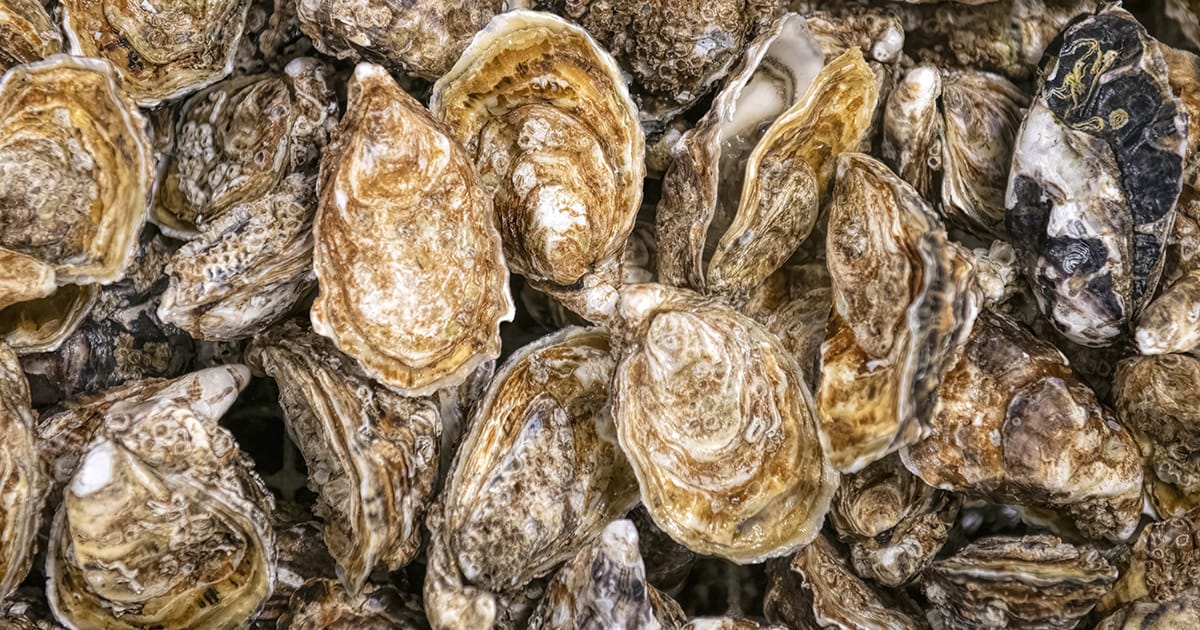
The Honorable Diane Lebouthillier, Minister of Fisheries, Oceans and the Canadian Coast Guard, announced the recipients of more than $850 thousand in funding to support further scientific research activities on MSX. Funding will be provided to six recipients to support a range of research areas, such as rapid detection and disease resistance.
In November 2024, research areas and knowledge gaps were also identified as part of a Science Summit that was co-chaired by Fisheries and Oceans Canada and the Province of Prince Edward Island. Key areas for further research identified during the Summit included learning more about genetic markers or traits that could promote resistance to MSX, rapid detection methodologies, and the need to learn more about the experience in other jurisdictions dealing with MSX.
These investments continue to advance improved understanding of MSX disease in Canada, helping to support industry efforts to manage the disease while ensuring the long-term health of marine species and ecosystems.
“By supporting this important research on MSX, the Government of Canada is investing in the future of our oyster industry, as well as the livelihoods of the Canadians who depend on them. Together, we are advancing scientific knowledge that will strengthen our ability to protect the health and sustainability of our marine ecosystems and ensure the resilience of coastal communities,” said the Honorable Diane Lebouthillier, Minister of Fisheries, Oceans and the Canadian Coast Guard.
Quick Facts
- MSX is not a food safety concern.
- MSX was first detected in Canada in Bras d’Or Lake, Cape Breton, Nova Scotia, in 2002 and has continued to impact oyster populations in that area. In July 2024, it was detected in oysters in P.E.I., followed by sites in New Brunswick in November 2024.
- Haplosporidium nelsoni (H. nelsoni) is the pathogen that causes MSX disease in cultured and wild American oysters.
- Canada’s National Aquatic Animal Health Program (NAAHP), co-delivered by the Canadian Food Inspection Agency (CFIA) and Fisheries and Oceans Canada (DFO), is responsible for preventing the introduction and/or spread of significant aquatic animal diseases of finfish, mollusks, and crustaceans.