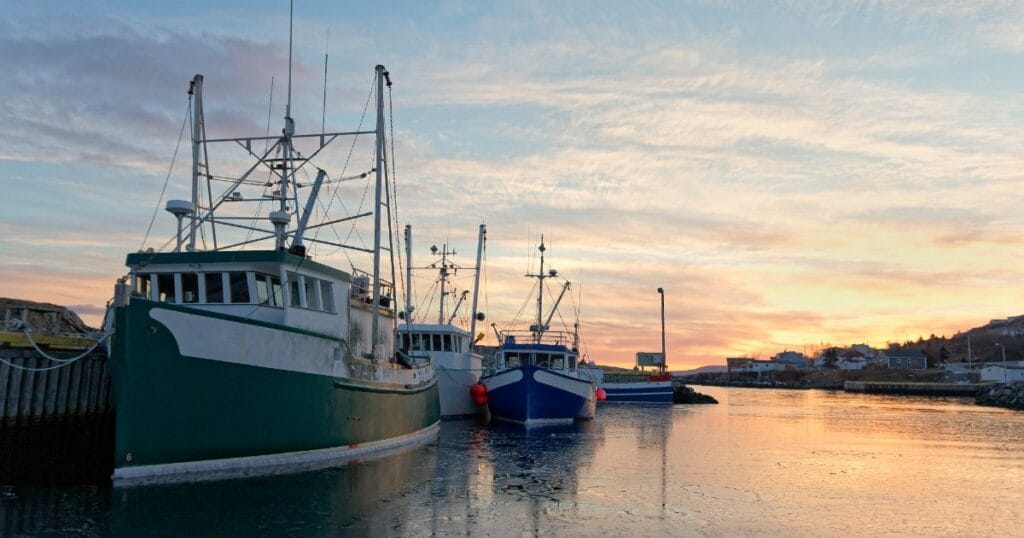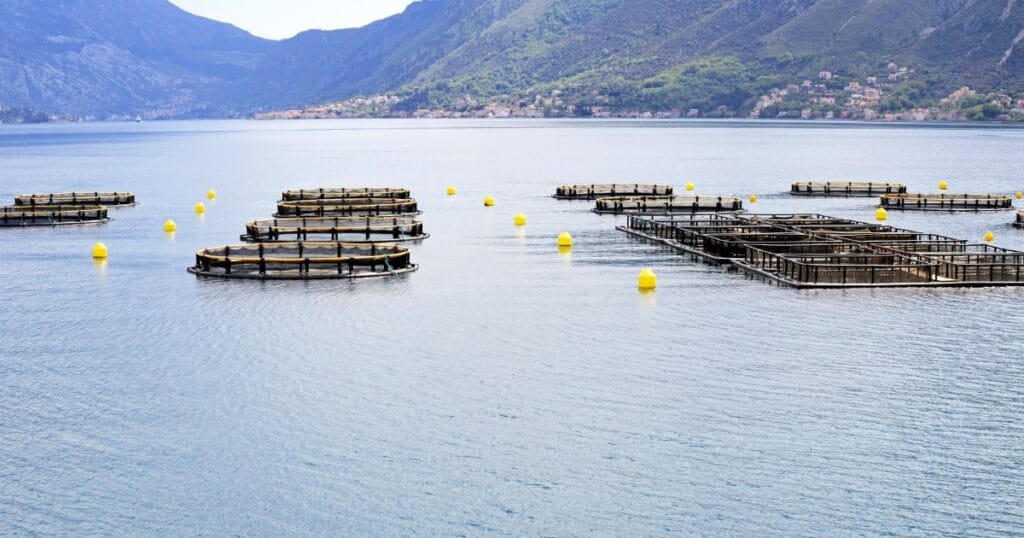
Using Gulf Coast fisheries as a case study, the researchers examine how hurricanes affect one of the nation’s most productive seafood regions and use those lessons to develop an approach that can help fisheries nationwide prepare for and recover from climate-related disruptions. While hurricanes provide the primary example, the authors say the same principles apply to other growing threats, including marine heatwaves and harmful algal blooms.
“For fisheries, competitiveness isn’t just about producing more seafood—it’s about producing it consistently,” said Juan Carlos Villaseñor-Derbez, Assistant Professor in the Department of Environmental Science and Policy at the Rosenstiel School of Marine, Atmospheric, and Earth Science. “Climate resilience gives fisheries the ability to recover faster from disruptions, creating the stability that businesses, consumers and coastal communities rely on.”
The researchers frame climate resilience as an economic strategy, not just an environmental goal. Their analysis concludes that helping fisheries anticipate, withstand and recover from climate-related disruptions can reduce economic losses and strengthen the long-term performance of the US seafood sector.
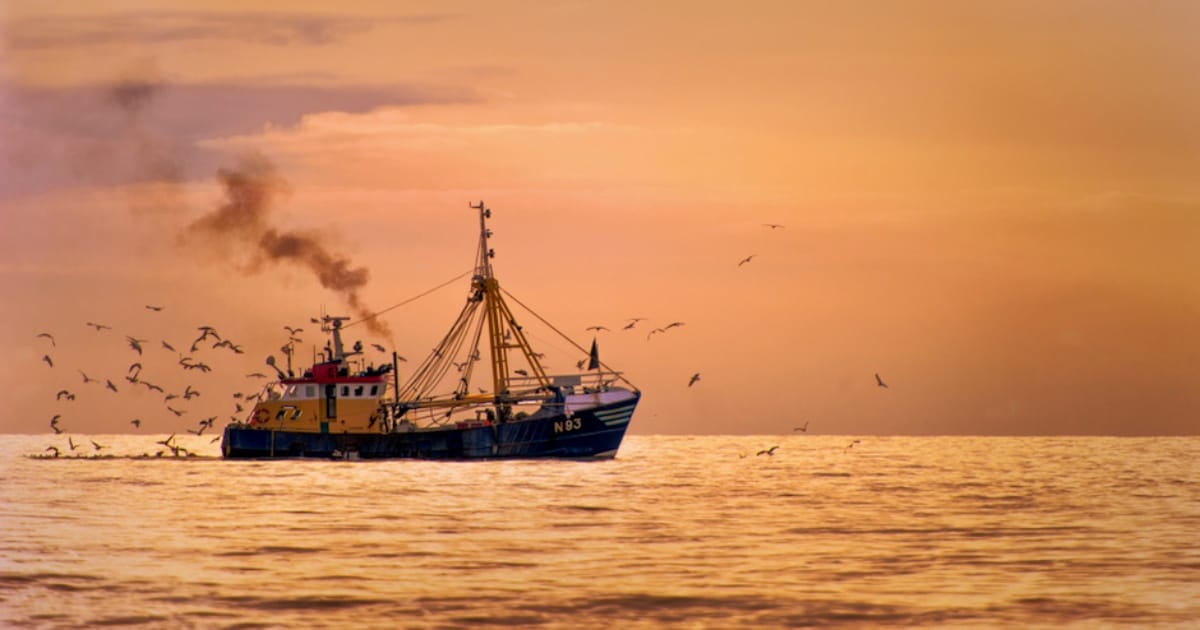
The Gulf of Mexico illustrates both the opportunities and vulnerabilities facing the industry. The region generates approximately $910 million annually in commercial dockside revenue, supports more than 250,000 commercial and recreational fishing jobs, and produces the nation’s largest commercial shrimp and oyster fisheries. At the same time, it experiences the nation’s greatest and fastest-growing exposure to hurricanes, demonstrating how environmental disruptions can damage marine habitats, fishing infrastructure, seafood processors and supply chains while delaying recovery for coastal communities.
To strengthen resilience and support long-term competitiveness, the researchers outline three priorities:
- Adaptive governance that enables fisheries management to respond to changing environmental conditions while supporting sustainable harvests.
- Independent financial safety nets that help fishing communities recover more quickly after disasters and maintain productive capacity.
- Science-based climate risk assessments that improve forecasting, preparedness and long-term decision-making for fisheries and coastal communities.
The authors say these priorities align with NOAA’s ongoing efforts to modernize US fisheries management by emphasizing preparedness as a foundation for expanded domestic seafood production. “Our aim for this analysis is to help inform future fisheries policies that strengthen domestic seafood production while supporting the coastal communities and businesses that depend on healthy, productive fisheries,” said Villaseñor-Derbez, also a core faculty member at the University of Miami Frost Institute for Data Science and Computing, Earth System Science Program.
The study, “Competitiveness in American Seafood Requires Climate-Resilient Fisheries,” was published July 6, 2026, in the journal Fish and Fisheries. In addition to Villaseñor-Derbez, co-authors include Amelia Willett Burfoot of the Rosenstiel School and Renato Molina of Appalachian State University.