A new study has shown that whale calls can be reduced by as much as 50 percent in response to seismic surveys, which are commonly used to find oil and gas reserves.
Researchers are worried that such surveys could impact vulnerable marine species, which rely on sound for communication, navigation, and foraging.
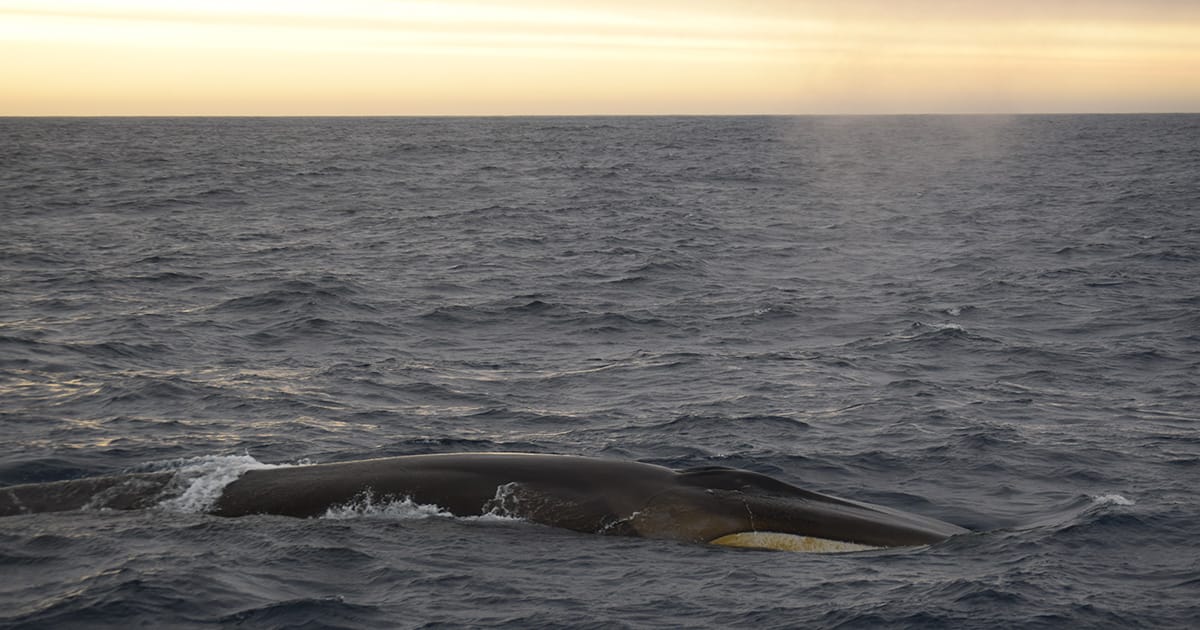
The paper, published in Scientific Reports, reveals how fin whale calls dropped dramatically along a key migratory corridor off northwestern Spain during seismic surveying.
The technique involves air guns shooting compressed air in powerful, loud, repeated bursts. Sound waves travel through the water, into the seabed, and bounce back to create a picture of the geological structures below.
The sound is one of the loudest human-made noises in the ocean and can travel more than three thousand kilometers from ships conducting the surveys.
“Fin whales exhibit a range of whale calls that we think are related to important mating and social behaviors,” said Amy Feakes, a postgraduate researcher at the University of Southampton who co-led the research with master’s student Elodie Edwards.
“Despite significant concern about how these surveys might disrupt their calls, there have been very few studies and limited evidence available until now.”
Researchers studied underwater recordings from three sites over 63 days to investigate how whale calls differed during periods of ‘shooting’ compared to quiet intervals when the ship was in port for repairs.
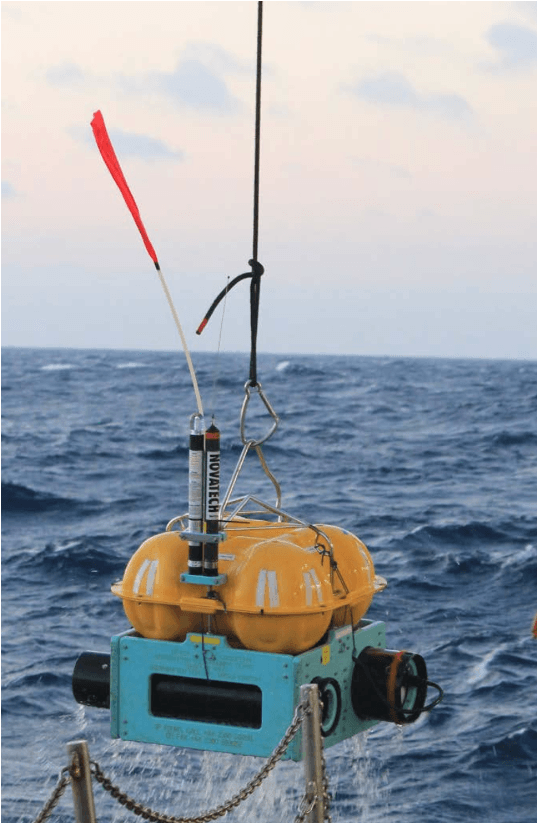
OBS deployment. (Image credit: University of Southampton)
Using machine learning to identify and log the whale calls, the team found the number of calls dropped by an average of 70 percent across the three sites during shooting periods.
Some calls would have been masked by the sound of the shots, but even when accounting for this effect, the decrease was still 52 percent.
“We don’t know whether the whales reduced their vocalizations, moved away from the survey area, or did a combination of both,” said Professor Tim Minshull, also from the University of Southampton.
“Given the widespread use of seismic surveys and their capacity to propagate sound over long distances, these findings start to illuminate the potential impacts on fin whale communication, energy expenditure, and habitat use.”
Researchers say the timing, intensity, and coverage of seismic surveys in areas important for whales need to be carefully considered to aid conservation efforts.
Exclusion zones, seasonal restrictions, or using quieter seismic exploration technologies could also help reduce disruption to whale populations.