The Minister of Transport and Internal Trade, the Honorable Anita Anand, announced an investment of over $125 million through two initiatives under the Ocean’s Protection Plan to strengthen marine safety in 47 communities across Canada. Specifically, funding will:
- support Indigenous communities in hiring marine coordinators through the Indigenous and Local Communities Engagement and Partnership Program (ILCEPP); and
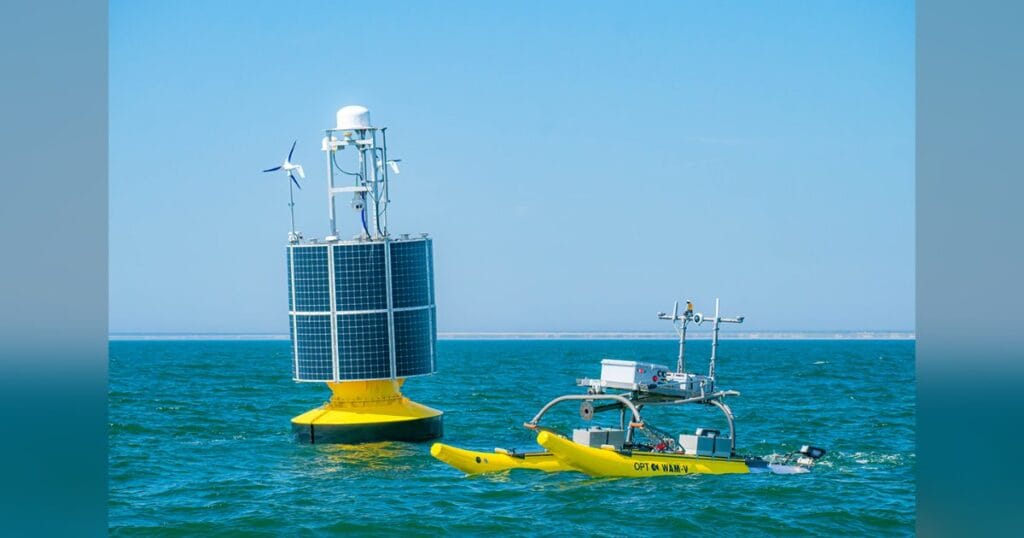
- expand the Enhanced Maritime Situational Awareness initiative (EMSA), which provides an overview of the marine environment to local governments and organizations to advance marine safety, environmental monitoring, and protection in their communities.
The Government of Canada remains dedicated to working meaningfully with First Nations, Métis and Inuit, and coastal communities in delivering the Oceans Protection Plan and respecting the implementation of the United Nations Declaration on the Rights of Indigenous Peoples Act.
When Indigenous Peoples, industry, communities, subject matter experts, academia, and governments work together to protect our environment, grow our economy, and support jobs nationwide, we deliver real results for Canadians. Canada’s Oceans Protection Plan is keeping our oceans and coasts healthy, advancing reconciliation, and building a cleaner future for our children and grandchildren.
“Our Government is committed to advancing reconciliation through meaningful and concrete actions. With so many Indigenous communities located near bodies of water, we are investing in marine safety and capacity funding to ensure that they have access to the tools and resources they need,” said the Honorable Anita Anand, Minister of Transport and Internal Trade.
Quick Facts
- Since its launch in 2016, the Oceans Protection Plan is further strengthened Canada’s marine safety by:
- making shipping safer and improving how we prevent and respond to marine incidents.
- increasing protections for our marine ecosystems from the impacts of shipping.
- strengthening the role Indigenous Peoples have in how their traditional coasts and waterways are managed.
- contributing to lasting reconciliation and cooperative relations between government, industry, and Indigenous Peoples.
- The 34 Indigenous communities and organizations benefiting from today’s ILCEPP funding are located in:
- Ontario (2)
- Quebec (6)
- Prairies and North (7)
- Atlantic Region (8)
- Pacific Region (11)
- The EMSA is a national program, with 13 Indigenous communities partnering to develop the system continuously. The Government of Canada is investing more than $109 million to develop this system. This includes nearly $25 million in grants and contributions to support the participation of Indigenous partner communities and marine not-for-profit and industry organizations, among others.
- To date, over 980 EMSA system licenses have been issued to people from Indigenous and coastal communities and stakeholder groups across Canada. The system is being used in 85 Indigenous communities across the country.
- The thirteen partner communities and organizations that co-developed the EMSA system are below.
- British Columbia
- The T’Sou-ke Nation
- The Pacheedaht Nation
- The Council of the Haida Nation
- The Gitga’at Nation
- The Scia’new First Nation
- The Malahat First Nation
- Tseycum First Nation
- Québec
- The Mohawk Council of Kahnawà:ke
- The Essipit Innu First Nation Council
- Arctic
- The Tuktoyaktuk Hunters and Trappers Committee
- The Ekaluktutiak Hunters and Trappers Organization
- The Nunatsiavut Government
- Atlantic
- The Maritime Aboriginal Peoples Council
- British Columbia