“As the second-largest carbon emitter in the world, the United States has a responsibility to do more to combat the climate crisis. Owning up to our contributions to climate change includes helping countries in the Global South, which are often the first to feel the impacts of climate-driven extreme weather events,” said Senator Welch. “Our bill will create new pathways for climate funding to help reduce the debt burden on countries in the Global South and increase global climate resilience.”
“Communities here in the United States like those impacted by Superstorm Sandy and Hurricane Ida in New Jersey know the long-term damage from extreme weather caused by the climate crisis. When I meet with leaders from the Global South, I hear about the devastation caused by rising sea levels and droughts. By lending this support to countries that have faced such devastation around the world, we not only support their own resilience but also our own national security and global economic stability and resilience,” said Senator Kim.
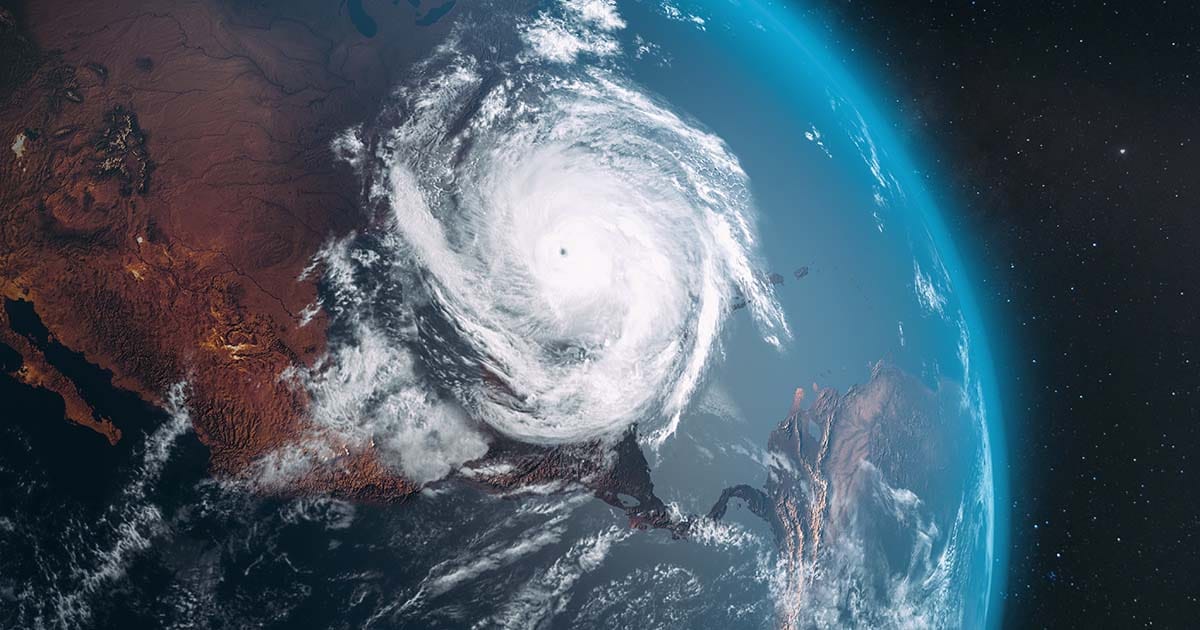
In 2025 alone, the Global South was devastated by floods and cyclones in South and Southeast Asia, hurricanes in the Caribbean, extreme heat waves in Middle East and Northern Africa, and rising sea levels which are beginning to submerge small Pacific Islands countries. While some nations have the resources necessary to adapt to the effects of climate change, countries with developing economies often lack resources to meet challenges of a warming world. For many countries in the Global South, this creates a vicious cycle where funds from economic growth service debt from a climate event instead of building resilience.
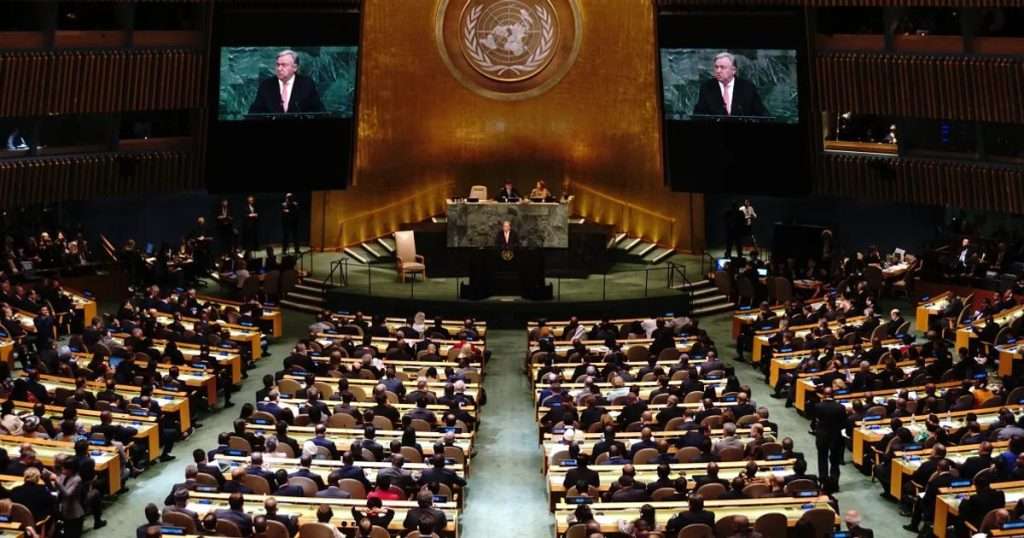
Collective international action to reduce carbon emissions and build resilience are crucial to combatting the growing impacts of climate change. At recent United Nations Climate Change Conference of the Parties (COPs), global leaders have recognized the need to provide climate financing to countries in the Global South. During COP29, Global North countries, as the largest historical emitters of carbon, committed to providing $300 billion a year to support climate actions in Global South countries. The United States must do its part in reaching this commitment and take further action to help at-risk countries reduce their debt.
Learn more about the Global Climate Resilience Act of 2025 and read a section-by-section summary of the bill.
Read and download the full text of the bill.