Acoustic Profiler Captures Extreme Vertical Migration of Midge Larvae in Lake Malawi

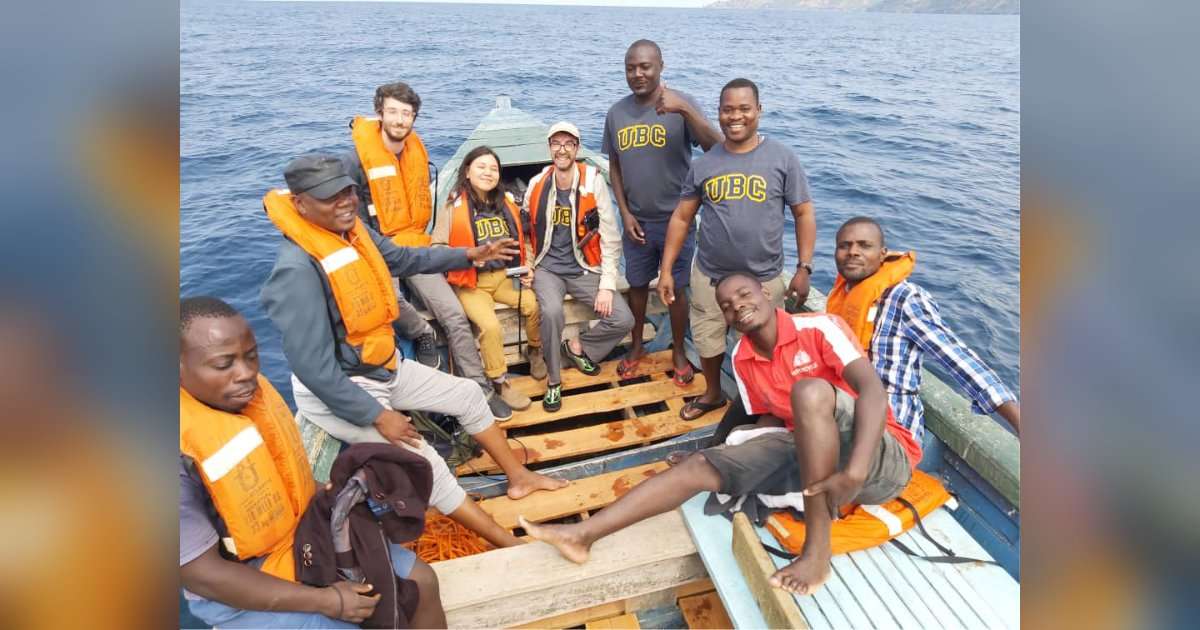
UBC Zoology and Malawi Department of Fisheries researchers after successful AZFP deployment in Lake Malawi. (Image credit: ASL)

ASL is highlighting the work of a field and laboratory study that recently appeared in the July 23, 2026 edition of the journal Science. This study, led by Dr. Philip Matthews of the University of British Columbia in collaboration with researchers from the Department of Fisheries in Malawi, the Scottish Oceans Institute, the University of St Andrews UK, and Cupar Analytics UK, revealed how the aquatic larvae of the midge fly Chaoborus edulis have exhibited remarkable crush-resistant air sacs that allow them to undertake daily vertical migrations to extraordinary depths in Lake Malawi, East Africa.

These adaptations enable this insect to escape predatory fish by descending into oxygen-depleted waters more than 200 m below the surface. Laboratory experiments demonstrated that mature larvae’s air sacs can withstand pressures equivalent to depths exceeding 500 m.
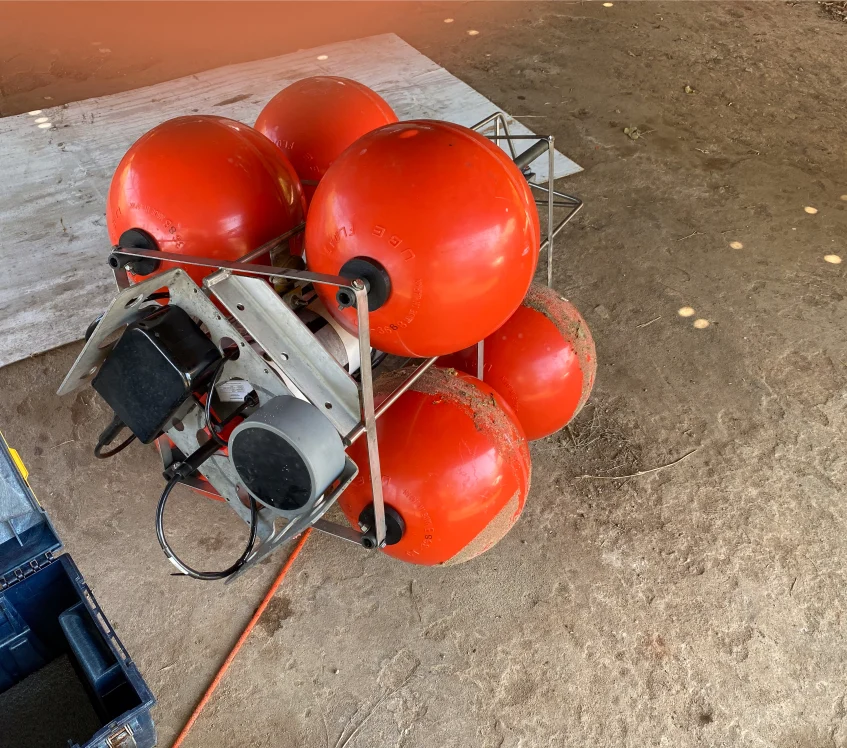
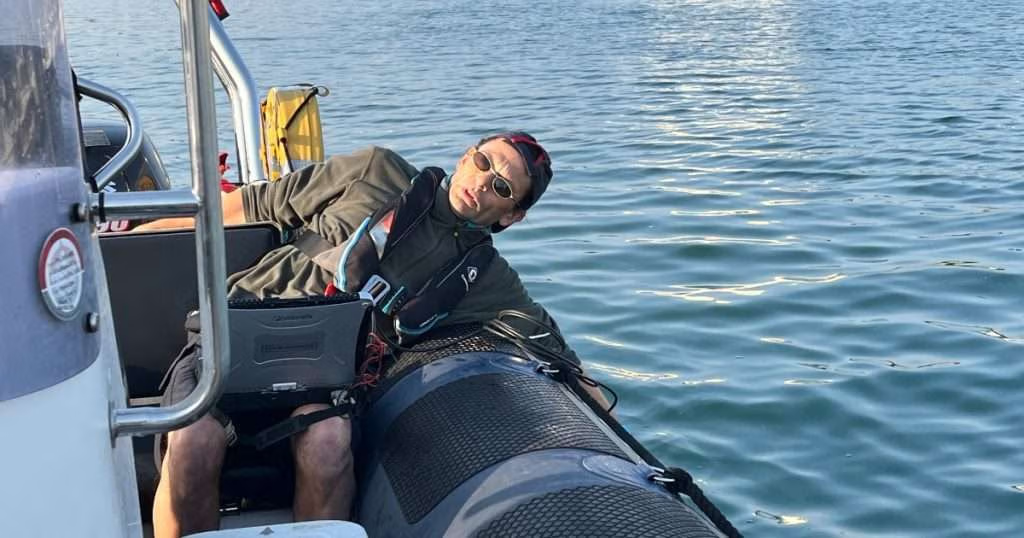
AZFP recovered after 13 days. (Image credit: ASL)

A key component of the research was the deployment of ASL’s multi-frequency Acoustic Zooplankton Fish Profiler (AZFP) on a deep-water mooring in Lake Malawi. Operating continuously at depths approaching 300 m, the AZFP recorded the daily vertical migrations of Chaoborus edulis as well as detected the presence and depth of fish. Water quality parameters were also recorded, documenting dissolved oxygen, temperature, and pH throughout the water column. Together, these observations demonstrated that the larvae descend into the lake’s anoxic hypolimnion during daylight hours, effectively avoiding fish predators that remain in the oxygenated waters above.
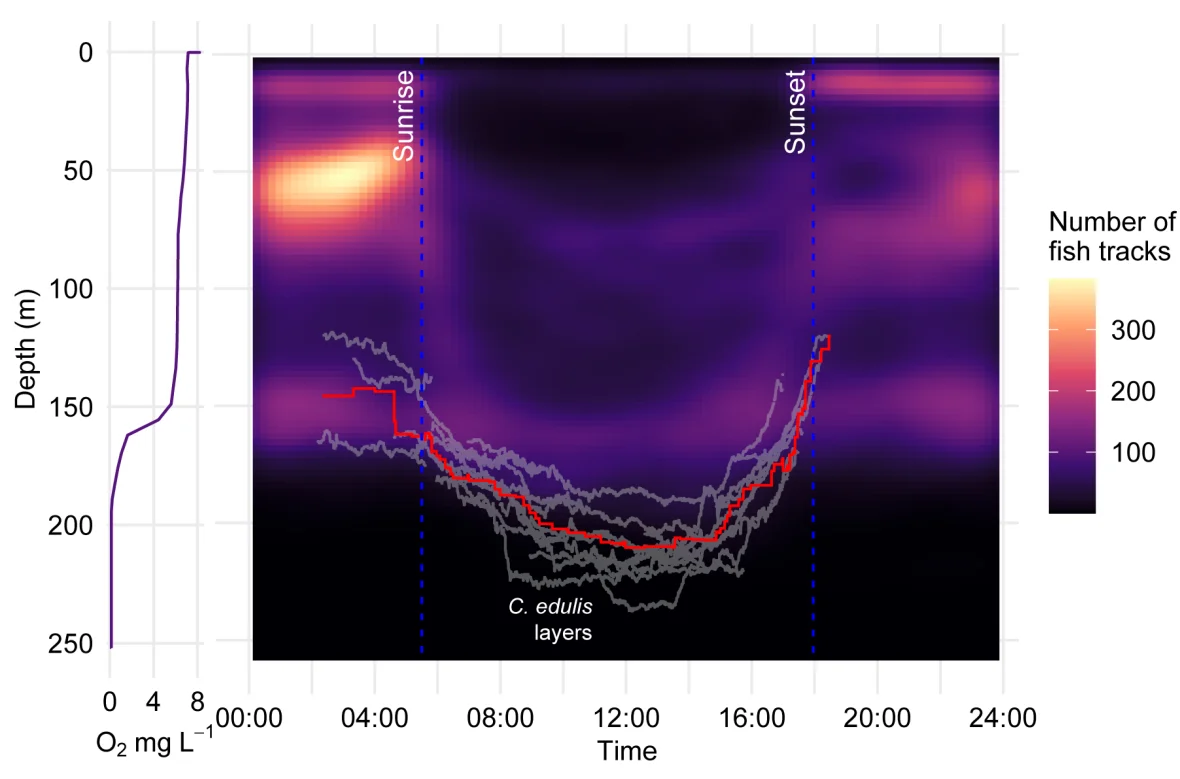
Dissolved oxygen profile (0–250 m) with fish-school detections. Grey lines show daily C. edulis layer depths; red line shows the mean detection depth.

The research builds upon ASL’s 2023 AZFP Research Award, which supported the Lake Malawi field program and reflects ASL Environmental Sciences’ commitment to advancing aquatic research through innovative scientific instrumentation.

Reference to paper: https://www.science.org/doi/10.1126/science.aed0667
latest edition
From the Pacific tuna grounds to the Chesapeake Bay to the shallows of Florida’s coastline, applied marine science is rethinking who collects ocean data and how that data builds toward long-term coastal stewardship and a stronger ocean economy.

got marine science news?

Send us your latest corporate news, blogs, or press releases

Search