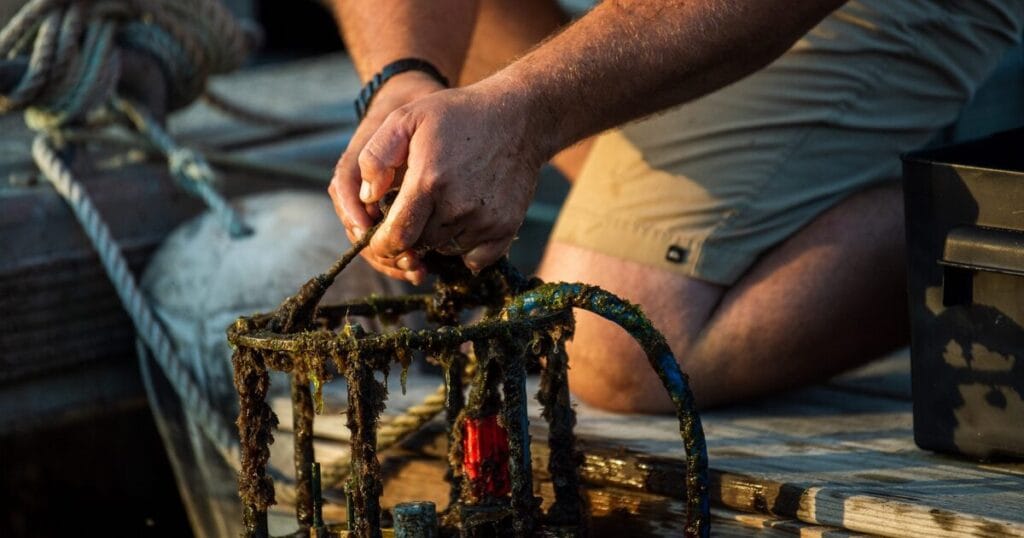
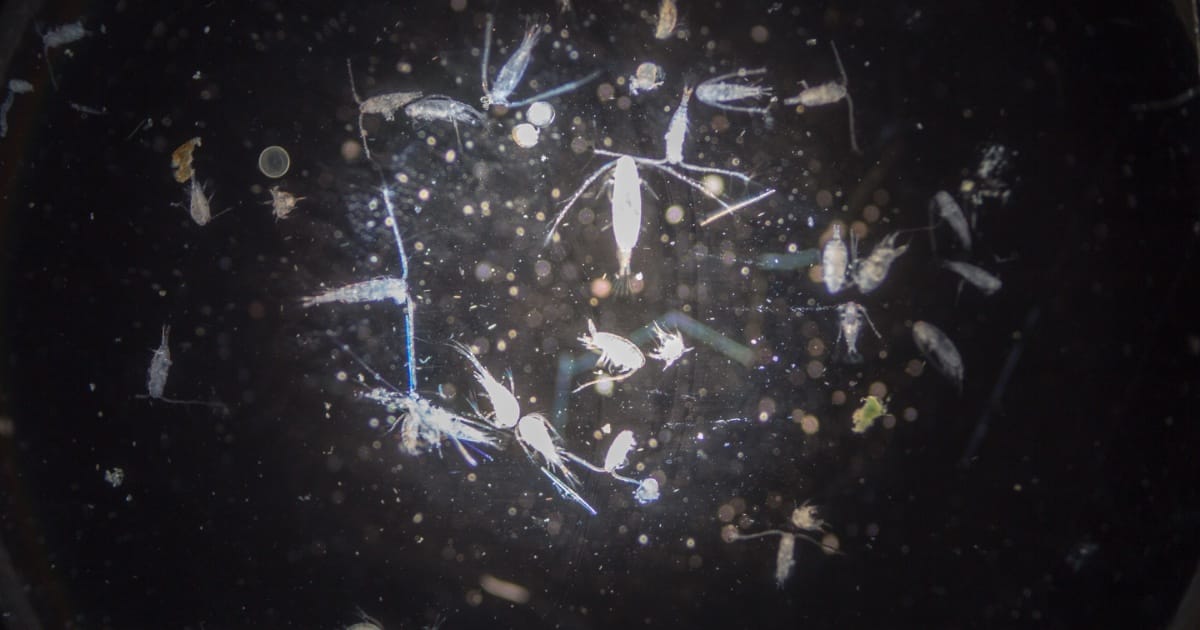
The team surveyed Baggensfjärden, Kappelshamnsviken, and Tvären in June 2022, deploying a 100 μm WP2 closing net to collect vertically integrated mesozooplankton samples (>200 μm) at three replicate stations per bay. Hydrographic profiles of temperature and salinity were captured via multiparameter probes at each bay’s deepest site, while lab processing split preserved samples for taxonomic identification and standardized abundance counting per cubic metre. Nonmetric Multidimensional Scaling (NMDS) with Bray–Curtis dissimilarity and vegan-based diversity metrics were applied to compare community structures across spatial gradients.
Clear inter-bay community separation emerged tied to salinity gradients. Kappelshamnsviken, the most marine bay with deep-water salinity up to 9, hosted high densities of calanoid copepods Pseudocalanus sp. and Temora sp., alongside the highest Shannon–Wiener diversity and evenness values. In contrast, lower-salinity Tvären and Baggensfjärden were dominated by rotifers; Tvären recorded the highest total zooplankton abundance (46,241 ± 25,941 ind/m³) yet lowest community evenness, with one taxon overwhelmingly dominant.
Strikingly, distinct mesozooplankton assemblages formed within less than 1 km inside single bays, driven by temperature and depth stratification. Deeper sites favored Pseudocalanus sp., while shallow zones held cyclopoid copepods and branchiopods. Kappelshamnsviken exhibited stronger within-bay variability due to open-sea water exchange and steep depth gradients, unlike the more sheltered, homogeneous Tvären and Baggensfjärden.
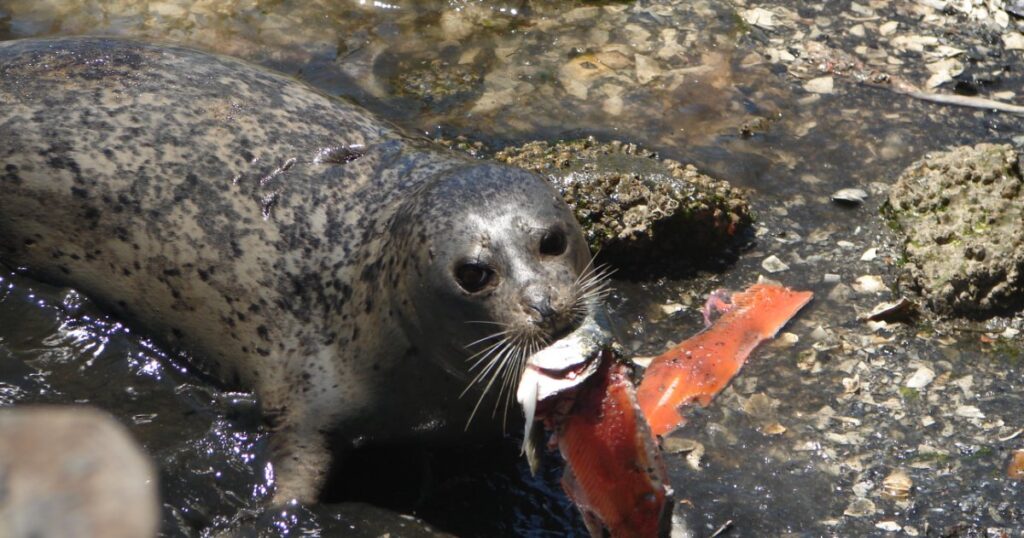
These findings carry direct implications for Baltic fisheries and coastal conservation. Copepod-rich bays support herring and sprat populations, while rotifer-dominated embayments favor sticklebacks. As zooplankton act as sensitive bioindicators of eutrophication and climate change, the study stresses that sparse, single-site sampling risks overlooking vital ecological niches. Aligned with the Essential Ocean Variable (EOV) framework, the authors urge coastal monitoring programs to adopt multi-station, fine-scale sampling designs to accurately capture full zooplankton community variation.
Limited to early-summer mesozooplankton snapshots, the work calls for expanded seasonal sampling and broader environmental variable tracking to generalize spatial patterns across the full Baltic annual cycle.