Lead author Jessica Pearce, from The University of Western Australia’s School of Biological Sciences and Oceans Institute, worked with researchers from the Australian Institute of Marine Science, Department of Biodiversity, Conservation and Attractions, Minderoo Foundation and Murdoch University on the eDNA study.
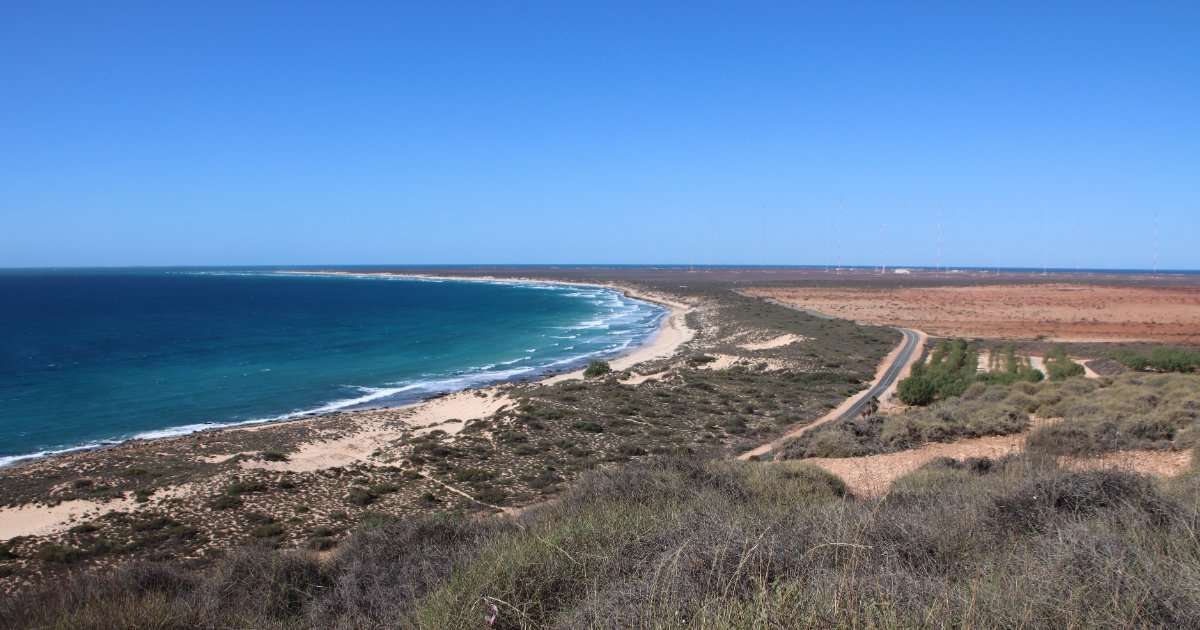
Published in Diversity and Distributions, the study found the Exmouth Gulf was a globally significant refuge for many marine species.
“Globally, marine ecosystems are under significant threat from a variety of stressors including rising sea surface temperatures, ocean acidification, pollution, overfishing and coastal development,” Ms. Pearce said.
“These pressures drive biodiversity loss, disrupt the food chain, alter species distributions and community composition.
“The recent designation of a marine park underscored the region’s environmental, social and cultural significance, but it remains a site of competing interests, and we need effective and sustainable conservation management strategies.”
The study applied a mitochondrial gene sequencing technique to seawater eDNA samples collected from 19 sites over 3,000 sq km across four major regions, encompassing the western, central, southern and eastern Exmouth Gulf.
A total of 487 unique taxa were identified, including 440 bony fish, 37 elasmobranchs, seven birds, two mammals, and one reptile.
“Exmouth Gulf exhibits significantly distinct marine communities, with the eastern gulf emerging as a hotspot for elasmobranchs and threatened species,” Ms. Pearce said.
“Critically endangered species were identified within all four regions, with three of the four species detected in the eastern gulf.
Co-lead researcher Dr. Josh Bonesso, from UWA Oceans Institute and Australian Institute of Marine Science, said the findings showed Exmouth Gulf in its entirety provided a critical habitat for threatened species.
“It also has remarkable conservation value and represents a bioregion of global ecological significance,” Dr. Bonesso said.
The study was funded by Minderoo Exmouth Research Laboratory (MERL), Minderoo-UWA OceanOmics Centre and the Department of Biodiversity, Conservation and Attractions.