Rate A Skate, a collaboration between NatureScot and The Scottish Association for Marine Science (SAMS), a partner of UHI, is using artificial intelligence to help marine biologists scan thousands of images of flapper skate, giving an insight into the movements and health of individual creatures.
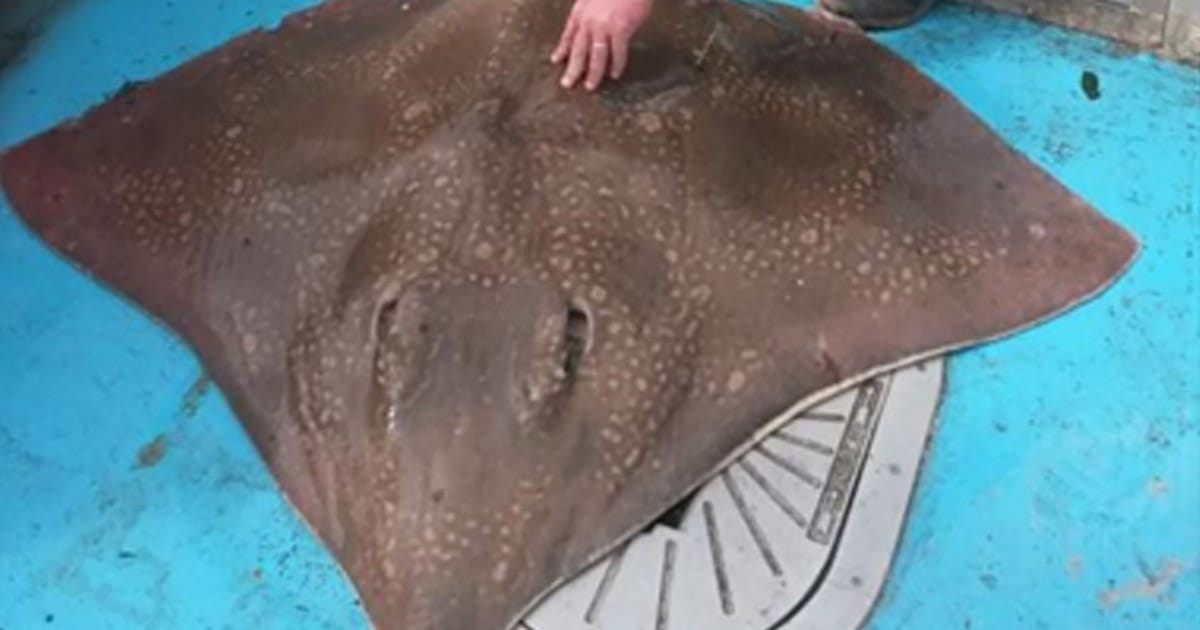
Flapper skates can grow to nearly three meters long and are the second largest fish in UK waters, behind the basking shark. Yet, these deep-dwelling creatures, once common around the British Isles, now exist in small numbers and are notoriously difficult to monitor.
The new project builds on the existing SkateSpotter monitoring program that has so far collated a database of 5,500 images, mainly taken by catch-and-release anglers and underwater camera traps. Most of the images so far are of skate located in Argyll where the Loch Sunart to the Sound of Jura Marine Protected Area was put in place for the species’ protection.
Individual skates can be identified by the unique pattern of spots on their backs. Matching to date has been done by eye, but as the photo database expanded, the job became unmanageable for humans alone.
SAMS marine biologist Dr. Steven Benjamins explained: “Thanks to SkateSpotter, we have more data on flapper skates than ever before, and we are gradually learning more about these magnificent creatures.
“Citizen science is crucial for our work and we are grateful to anglers and community groups who send in photos of skate. These inform our research into their abundance, movement patterns, and the health of individuals.
“However, the project had become a victim of its own success, and we were unable to keep up with matching the number of individuals we had on record.”
SAMS marine image analyst Dr. John Halpin devised a neural network (machine learning) program that can scan thousands of photos in minutes and present the most likely matches from the database. Biologists then have a much smaller sample of images against which to compare a new image.
Dr. Jane Dodd of NatureScot said: “Flapper skate are generally resident in the Loch Sunart to the Sound of Jura MPA in Argyll, or they at least show site fidelity (leaving and returning later), but there is a proportion of the population that travels larger distances.
“Rate A Skate will allow us to accept more images of skates from around Scotland. This will help us put the MPA in context, understand longer distance movements and connectivity of important sites for the skate such as egg nurseries.”
People who have photographs of flapper skates are encouraged to submit them to SkateSpotter at: https://skatespotter.sams.ac.uk/#uploadphoto.
Please read the advice on the website on how to take a photo that allows for easy identification.
Drs. Steven Benjamins and Jane Dodd were guests on SAMS’ Ocean Explorer podcast, where they discussed world-first discoveries and assessments of what the future might hold for the species. To listen, visit: https://www.buzzsprout.com/1080152/episodes/15909025
In 2020, a collaboration between SAMS and NatureScot successfully cared for and hatched a flapper skate in captivity in what is thought to be a world first for the species. To find out more, visit: https://www.sams.ac.uk/news/archive/archive-2020–sams/sams-news-flapper-skate-hatching.html