As part of the largest study of marine environmental DNA (eDNA) in Japan, researchers at the Okinawa Institute of Science and Technology (OIST) have found evidence that more than 100 species of fish may be living further north, in cooler waters, than previous records would suggest. These observations make it possible to track the habitable ranges of fish in more detail than ever before, which becomes especially important in the face of global warming and climate change.
Now published on October 26, 2026, in the journal Diversity and Distributions, their results highlight how eDNA sampling can give insight into changing seascapes that will have economic, societal, and environmental impacts across Japan and the world.
Climate change has already fundamentally reshaped natural habitats across the globe and will continue to do so in the coming decades, with coastal marine species being particularly at risk. One of the major effects of the rising ocean temperatures associated with climate change is a shift in the habitable range for marine species as they search for cooler waters. With an economy and culture so intertwined with the sea, Japan is poised to experience dramatic consequences of such a mass migration.
Head of the Marine Climate Change unit at OIST and senior author on the study, Timothy Ravasi explained that locals are already feeling these consequences: “Fishermen across Japan are already finding differences in the types of fish they reel in compared to a few decades ago. This is a problem because the people in these areas may not be used to buying, cooking, or eating these new kinds of fish, and at the same time, they can’t make the dishes that might be culturally or historically significant because those fish aren’t there anymore. And a sudden influx of new types of fish means you need new techniques, tools, and knowledge to catch them, which is especially hard on small, family-based fishing businesses.”
But outside of local experience, understanding exactly which regions and species are affected remains a challenge. Some of the typical techniques for tracking species ranges involve citizen science observation networks, fieldwork sampling, specimen collection, and optimal habitat predictions, though no technique is perfect. Unverified data, high time and monetary costs, and prediction uncertainty abound, so marine biologists and ecologists have been looking for better ways to understand and model the habitat changes of sea creatures.
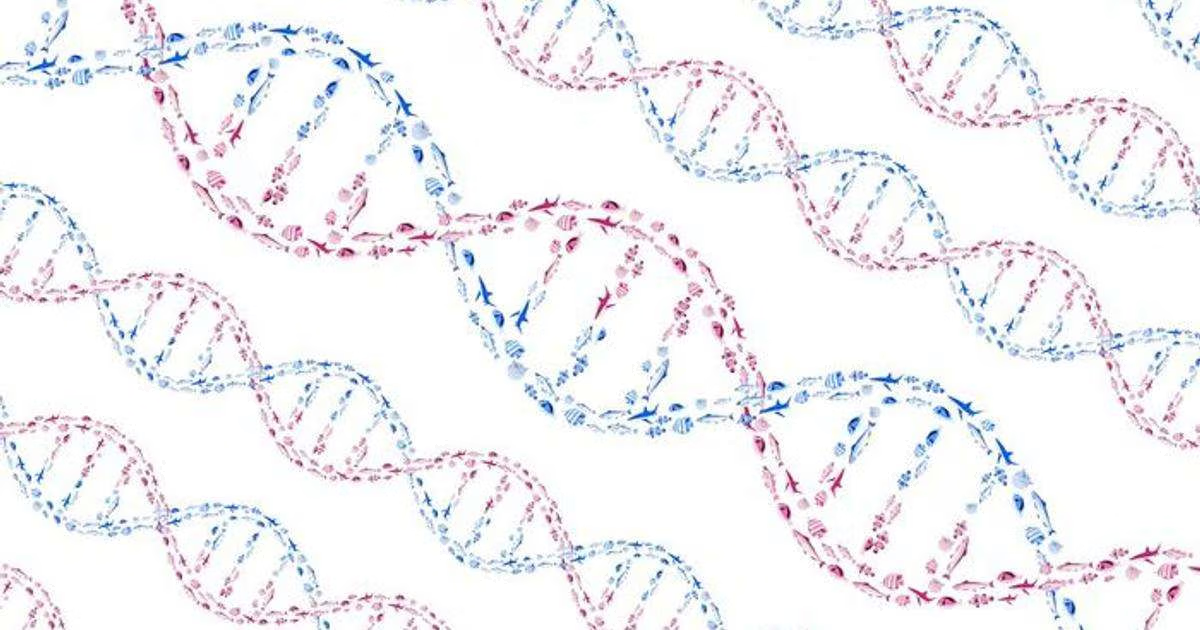
This study is the first country-scale application of a new technique which aims to supplement previous data by using eDNA sampling. Just as police detectives can look for trace amounts of DNA at a crime scene to identify the culprit, scientists have recently started cataloging the tiny fragments of animal DNA present across different marine ecosystems. While care must be taken to avoid contamination, this gives researchers a snapshot of potentially thousands of species that might be present at a particular location, at far lower time investment than typical survey methods, and with only a single bucket of seawater needed. After collection, DNA in the seawater is extracted, sequenced, and compared to reference DNA structures that identify the origins of the genetic material.
Past Marine Research in Japan Makes Tracking Fish Range Shifts Possible
Now-graduated OIST Ph.D. student and first author of the study Ayşe Haruka Oshima Açıkbaş said that Japan is not only one of the most vulnerable countries when it comes to the effects of marine range shifts, but also one of the only places in the world where such a study could be done: “One advantage of applying this method in Japan was the fact that the reference DNA sequences needed for eDNA analysis, known as the MiFish primers, were developed in Japan. Researchers have put tons of effort into sequencing the local marine fauna, increasing the coverage and accuracy of species detection within Japan.”
“We have access to all the necessary DNA sequencing facilities here at OIST, and, just as importantly, access to a network of marine stations and their staff throughout Japan who we can work with,” continued Oshima Açıkbaş.
Even with the MiFish reference data in hand, collaborations with local fisheries, environmental agencies, and scientists were key to getting enough coverage to characterize fish distributions along Japan’s coastlines. For this study, Oshima Açıkbaş and colleagues contributed nearly 1,000 newly collected eDNA samples; combined with previous sampling efforts this resulted in 2,672 samples spanning seven years from 2017 through 2024, taken at 316 unique locations along the Japanese coastline.
Their results identify thousands of different fish species, including 126 species that appeared in places further north than ever previously recorded. Among these 126 species are several commercially important fish like Japanese scad (D. maruadsi) and blacktip grouper (E. fasciatus), as well as species like black rabbitfish (S. fuscescens) that are suspected to cause irrecoverable damage to seaweed beds in a phenomenon known as “isoyake.”
Just as the existing sequencing databases in Japan were fundamental to this work, the value of this technique will compound as more eDNA data becomes available. And beyond descriptive measurements based on the presence or absence of DNA in a certain location, researchers like Oshima Açıkbaş are looking to explore predictive modeling of how and why DNA ends up in some places and not others. But even without further development, these data and results are expected to play a large role in shaping future policy to protect coastlines, fisheries, and Japanese heritage.