Public aquariums responsibly source marine fish from wild populations when they are collected ethically, and in ways that support healthy ecosystems. This initiative is expanding the availability of fish raised in human care, providing aquariums with additional sustainable options for their collections. By making aquacultured species more accessible, the project advances the Association of Zoos and Aquariums’ Aquatic Collections Sustainability Initiative and has already contributed to the breeding and distribution of thousands of fish to AZA-accredited institutions across the country.
The implications of Catalyzing Marine Finfish Aquaculture Through Public Aquariums extend far beyond the aquarium habitats. “By developing successful breeding and rearing protocols for new species, these aquariums serve as research and development hubs, reducing dependence on wild-caught animals and creating methods that commercial producers may be able to adapt for additional species,” noted Dr. Andrew Rhyne of Roger Williams University’s Center for Economic and Environmental Development.
“Working with a wide variety of species may help in the future when we may need to conserve populations through direct intervention,” added Dr. Michael Tlusty of the University of Massachusetts Boston.
To ensure the project has a wider impact, the group is producing open-source aquaculture guides for study species. These digital resources facilitate technology transfer, allowing non-partner aquariums and others to replicate their success.
Raising marine finfish is painstaking work that requires specialized equipment, enormous patience, and expert knowledge of complex life cycles. Marine fish eggs are often no bigger than a pinhead and hatch in a highly undeveloped state. For their first feedings, they require live food sources that are nearly invisible to the naked eye.
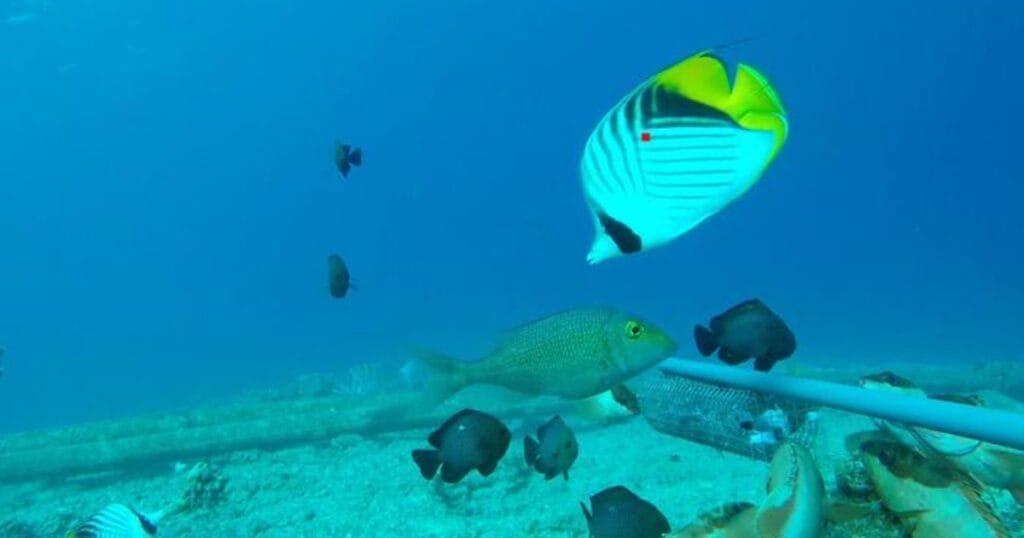
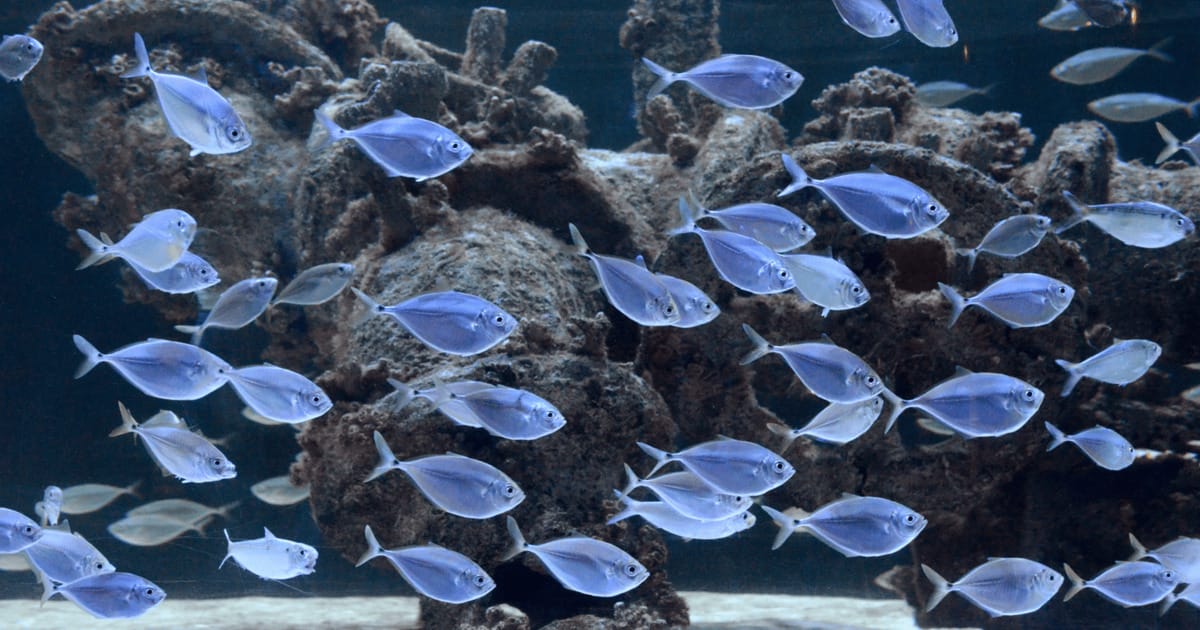
The project has focused on more than 20 species, many of which have never been successfully cultivated in human care, including species most sought after by public aquariums such as neon gobies, Atlantic lookdowns, and golden sweepers. To support these fragile creatures, the teams utilize innovative Modular Larval Rearing Systems (MoLaRS)—inexpensive, customizable aquaculture systems developed by Dr. Rhyne that allow aquariums to trial new species where there is limited space to do so.
The project represents a unique “distributed production model,” moving away from centralized rearing to build specialized capacity across a broad geographic network. This effort is led by researchers at UMass Boston, Roger Williams University, and the New England Aquarium, in collaboration with seven other major partner institutions:
- Aquarium of the Pacific (Long Beach, CA)
- Shedd Aquarium (Chicago, IL)
- National Aquarium (Baltimore, MD)
- The North Carolina Aquariums at Pine Knoll Shores, Fort Fisher, and Roanoke Island
- Woods Hole Oceanographic Institution Sea Grant
By working together, these institutions leverage their unique biological resources and living exhibits to serve as research and development hubs.
“Sea Grant excels at bringing partners together to develop innovative solutions for pressing challenges,” said NOAA Sea Grant’s Aquaculture Manager, Chuck Weirich, Ph.D. “Working with seven aquariums across the country, the project team successfully developed hatchery production protocols for several marine finfish species. Not only does this work support public aquariums, it also offers potential applications to enhance the commercial production of ornamental finfish. This project is a great example of Sea Grant’s Aquaculture Investment Plan that focuses on research and extension efforts that benefit the American aquaculture industry.”
To share these advances with the public, the collaboration has launched the “Breeding and Raising Fish for Aquariums” StoryMap, an interactive digital experience that uses video, maps, and behind-the-scenes photography. The StoryMap offers the public a rare look at the science shaping the future of aquariums and the aquaculture industry and highlights the critical role sustainable aquaculture can play in reducing pressure on wild fish populations.
“Advancing aquaculture techniques is about more than raising fish, it’s about building a community,” said Barbara Bailey, from the New England Aquarium. “By sharing knowledge, expertise, and experience across public aquariums, we can strengthen sustainable collections, expand our collective impact, and accelerate innovation. As public aquariums, we have a unique opportunity to engage millions of guests each year, helping them understand the connection between aquaculture, sustainable collections, and ocean conservation.”