Patrizia Ziveri, research professor at the Institute of Environmental Science and Technology of the Universitat Autònoma de Barcelona (ICTA-UAB), Spain, contributed to this international work as a follow-up to a workshop held earlier this year. The document is designed to convey the latest scientific evidence on ocean carbon to negotiators from participating COP countries and to global climate policymakers.
The document specifies that, while physics and chemistry determine the initial uptake of carbon dioxide at the ocean surface—responsible for capturing 27% of human-derived emissions since 1850—it is biology that ensures its long-term retention. Through the biological carbon pump, food webs and plankton transport atmospheric carbon into the ocean interior. Despite its relevance, the authors warn that current Earth System Models used by the Intergovernmental Panel on Climate Change (IPCC) oversimplify these processes by omitting key groups such as fish, marine mammals, or animal vertical migrations, reducing the accuracy of future projections.
In the face of advancing technological proposals for marine carbon dioxide removal (mCDR), such as minerals that help seawater absorb CO2 (ocean alkalinity enhancement) and ocean fertilization, the report calls for caution and clear terminology. Experts emphasize that not all “carbon sequestration” equals real climate mitigation: to be considered valid, any intervention must demonstrate a net increase in durable storage (>100 years) isolated from the atmosphere and verify that carbon does not return to the surface. Furthermore, they highlight that maintaining long-term ocean observation networks is an indispensable strategic investment for evaluating these metrics and providing the evidence base for global carbon accounting.
Finally, the report clarifies key concepts for the general public and political decision-makers. Protecting marine biodiversity is vital for planetary balance and for preserving carbon already stored in blue carbon ecosystems. Nonetheless, scientists warn that the uptake of human emissions is governed by ocean physics and chemistry, meaning that conserving biodiversity does not automatically translate into greater uptake of human-emitted CO2.
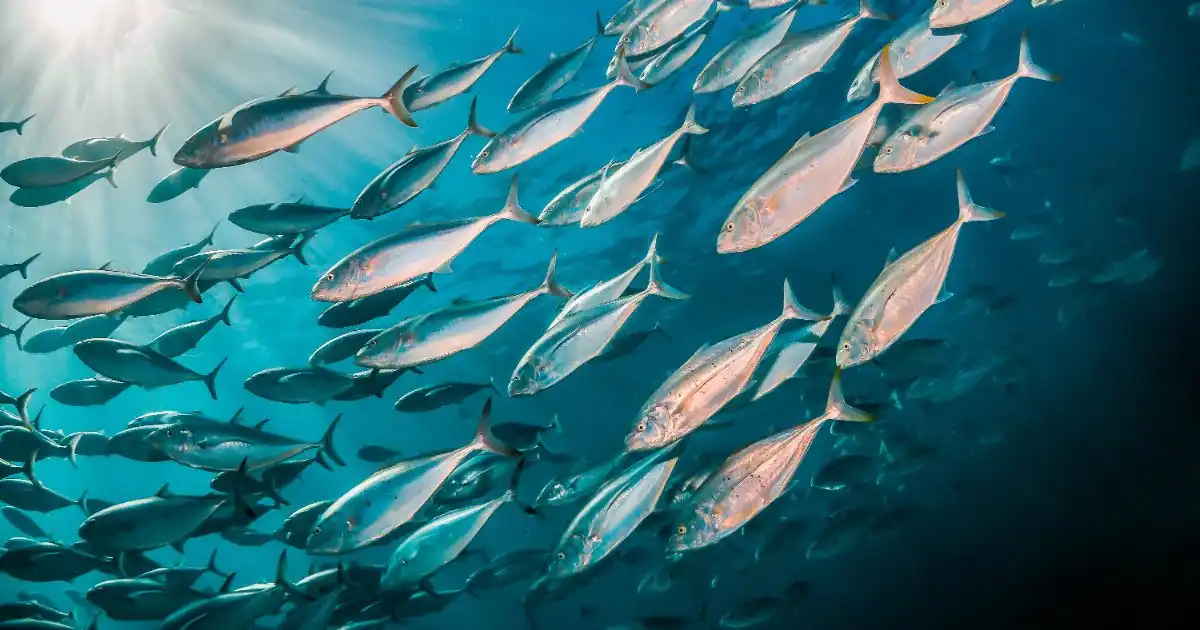
The document notes that restoring coral reefs and shellfish beds, such as mussel beds, does not boost carbon capture: building their skeletons and shells makes seawater more acidic and less able to absorb CO2. These habitats are still very valuable for biodiversity and the benefits they bring to people. It also says that fishing seems to barely weaken the ocean’s carbon sink, as prey increase and rebalance the system, though research continues.