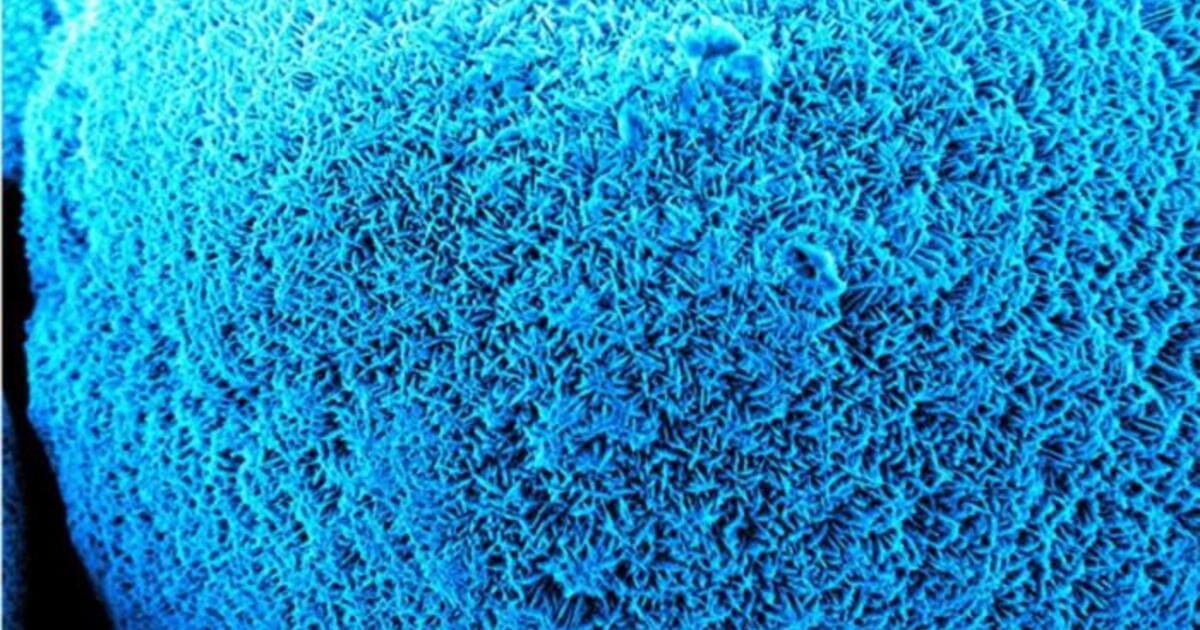
The study, led by Avichay Nahami and Dr. Prem Anand Murugan of the Scojen Institute for Synthetic Biology at Reichman University’s Dina Recanati School of Medicine, developed a unique consortium of bacterial species, including Bacillus subtilis and other bacteria naturally found in seawater. The researchers discovered that these bacteria work cooperatively to form a dense, durable, and naturally occurring protective layer on the surfaces of metals commonly used in marine and electrochemical infrastructure, including steel and iron. Experiments conducted as part of the study demonstrated that this protective coating significantly slows the corrosion process that causes metals to rust and deteriorate in seawater. The researchers also found that each bacterial species plays a distinct role: some create the conditions necessary for the process, while others produce an enzyme that enables the formation of the mineral protective layer.
According to the researchers, unlike approaches that rely on a single bacterial species, combining multiple species provides stronger and more stable long-term protection, even under harsh marine conditions. They believe the new technology could pave the way for the development of biological corrosion-protection systems for marine infrastructure worldwide, helping to protect ports, offshore platforms, ships, and other marine structures while reducing reliance on environmentally harmful chemicals. The approach could also extend the operational lifespan of marine infrastructure, resulting in significant savings in maintenance costs, time, and resources.
Dr. Ilana Kolodkin-Gal, who supervised the study and heads the Microbiome and Synthetic Microbiology Laboratory at the Scojen Institute for Synthetic Biology, said: “The ability to harness biological systems to solve engineering challenges is one of the greatest promises of synthetic biology. This study demonstrates how collaboration across scientific disciplines can lead to innovative solutions that reduce our reliance on chemical compounds while offering a new way to protect infrastructure exposed to harsh environmental conditions.”
The research was conducted at the Scojen Institute for Synthetic Biology at the Dina Recanati School of Medicine at Reichman University. Funding was provided by the Israel Science Foundation (ISF) through grants awarded to Dr. Ilana Kolodkin-Gal and Dr. Yuval Dorfan, as well as by two Binational Science Foundation–US National Science Foundation (BSF-NSF) grants awarded to Dr. Kolodkin-Gal. The study was carried out in collaboration with, and under the joint supervision of, Dr. Yuval Dorfan, head of the Synthetic Biology Laboratory at the Holon Institute of Technology.