An remotely operated vehicle (ROV) from AKVA group has been used in the investigation of an 18th-century shipwreck lying 600 meters below the surface in the Skagerrak. Using the ROV, marine archaeologists have been able to examine the wreck and recover artifacts from the seabed.
Technology with Multiple Applications
The ROV used in the operation was a Sub-Fighter 10K, one of Sperre’s best-selling ROV models. Its typical applications include the inspection of nets, moorings, and other underwater equipment used in the aquaculture industry.
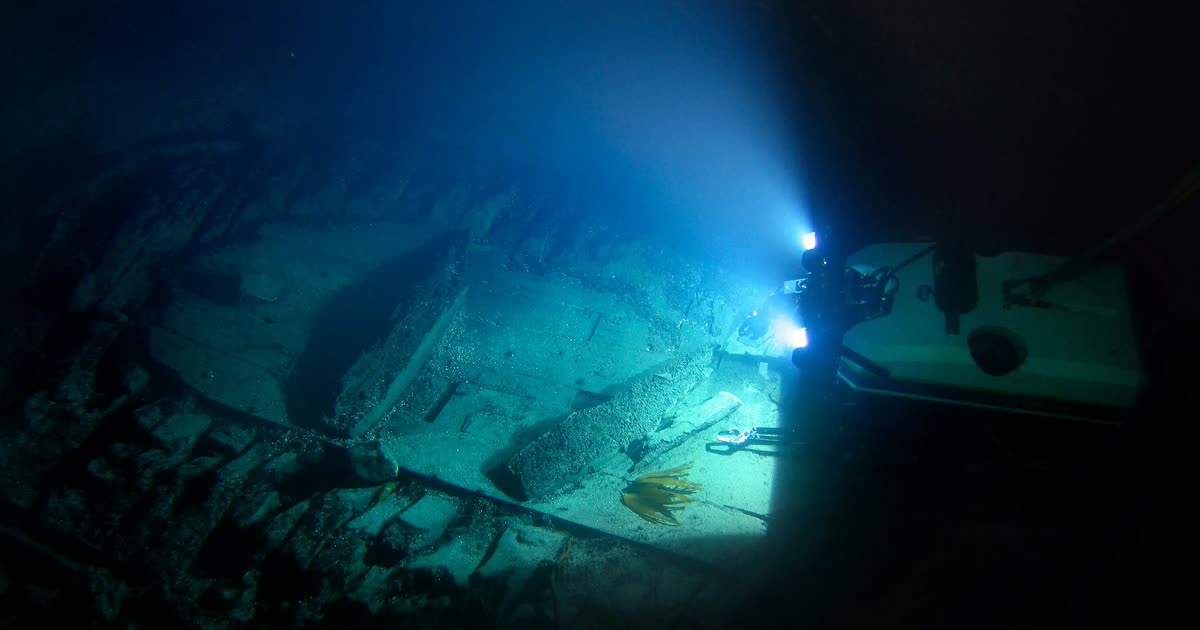
ROVs are an important part of modern aquaculture, but the technology is also used for research, surveying, and other subsea operations. In this case, the ROV enabled archaeologists to examine the wreck and recover artifacts with high precision at depths far beyond the reach of divers.
“This demonstrates just how versatile subsea technology can be. ROVs make it possible to work safely and accurately at great depths, whether the task involves aquaculture, research, or cultural heritage,” says Åsmund Sundsvalen, General Manager of Sperre, part of AKVA group.
A Unique Discovery
The wreck has been named the “Porcelain Wreck” because of the cargo found on board. Artifacts recovered so far include Chinese porcelain, stemware, chandeliers, textiles, and crates believed to have contained tea, herbs, and medicines.
The cold, dark, and low-oxygen conditions on the seabed have helped preserve both the wreck and its cargo in remarkably good condition for almost three centuries.
The investigation is being led by the Norwegian Maritime Museum, which describes the wreck as an important source of new knowledge about maritime trade and shipping between Asia and Europe during the 18th century.
Facts
- The wreck lies at a depth of around 600 meters in the Skagerrak.
- It was discovered by Espen Saastad using an ROV.
- The ship is believed to have sunk during the 18th century.
- The cargo includes Chinese porcelain, chandeliers, grain, and textiles.
- In May 2026, marine archaeologists carried out investigations of the wreck and recovered selected artifacts using an ROV.
- The Norwegian Maritime Museum is leading the ongoing investigation.