During the conference Effects of Climate Change on the World’s Ocean, she will tell 700 of the world’s foremost climate scientists about how the ocean in the far north and the fishes that live there, are affected by climate change.
The Feedback Loops in the Ocean
The Barents Sea and the Arctic Ocean are already being affected by climate change – in several different ways: warmer water from the south, less cooling in the north, and less ice.
“The water coming in from the Atlantic Ocean has become warmer. Then this heating is amplified in our oceans, because the cooling has become smaller, i.e., a double effect,” says Ingvaldsen.
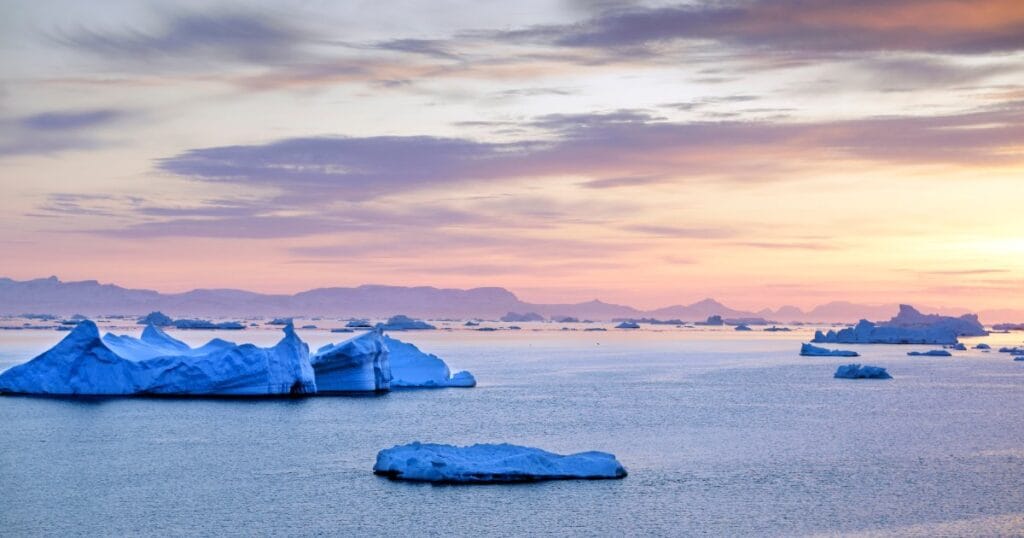
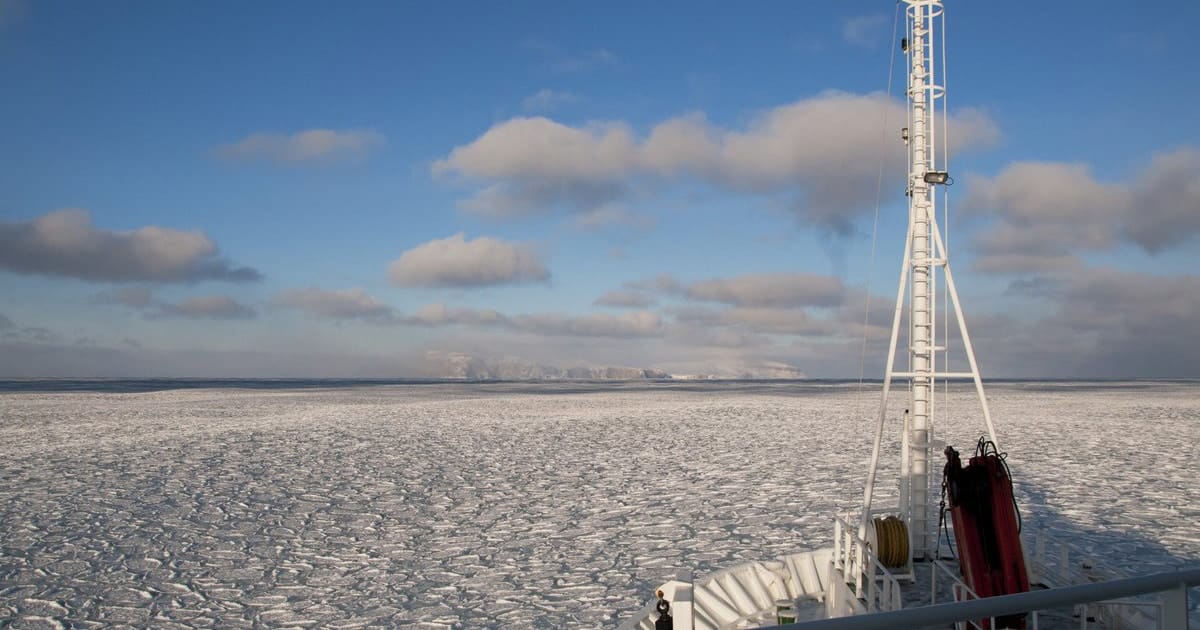
That’s before we’ve even reached the sea ice. The warmer water has caused less sea ice in the Arctic than earlier.
“The ice edge has moved further north. We see larger areas without sea ice, and less sea ice where there is ice,” says Ingvaldsen.
Less sea ice leads to weaker stratification in the ocean, which in turn leads to less sea ice.
“These three mechanisms provide a feedback loop in the ocean,” says the scientist.
Negative for the Arctic Species
For the Arctic part of the Barents Sea and the species that live there, the development is bad.
“Many of the Arctic species have poorer living conditions because the ice disappears and the water gets warmer,” says Ingvaldsen.
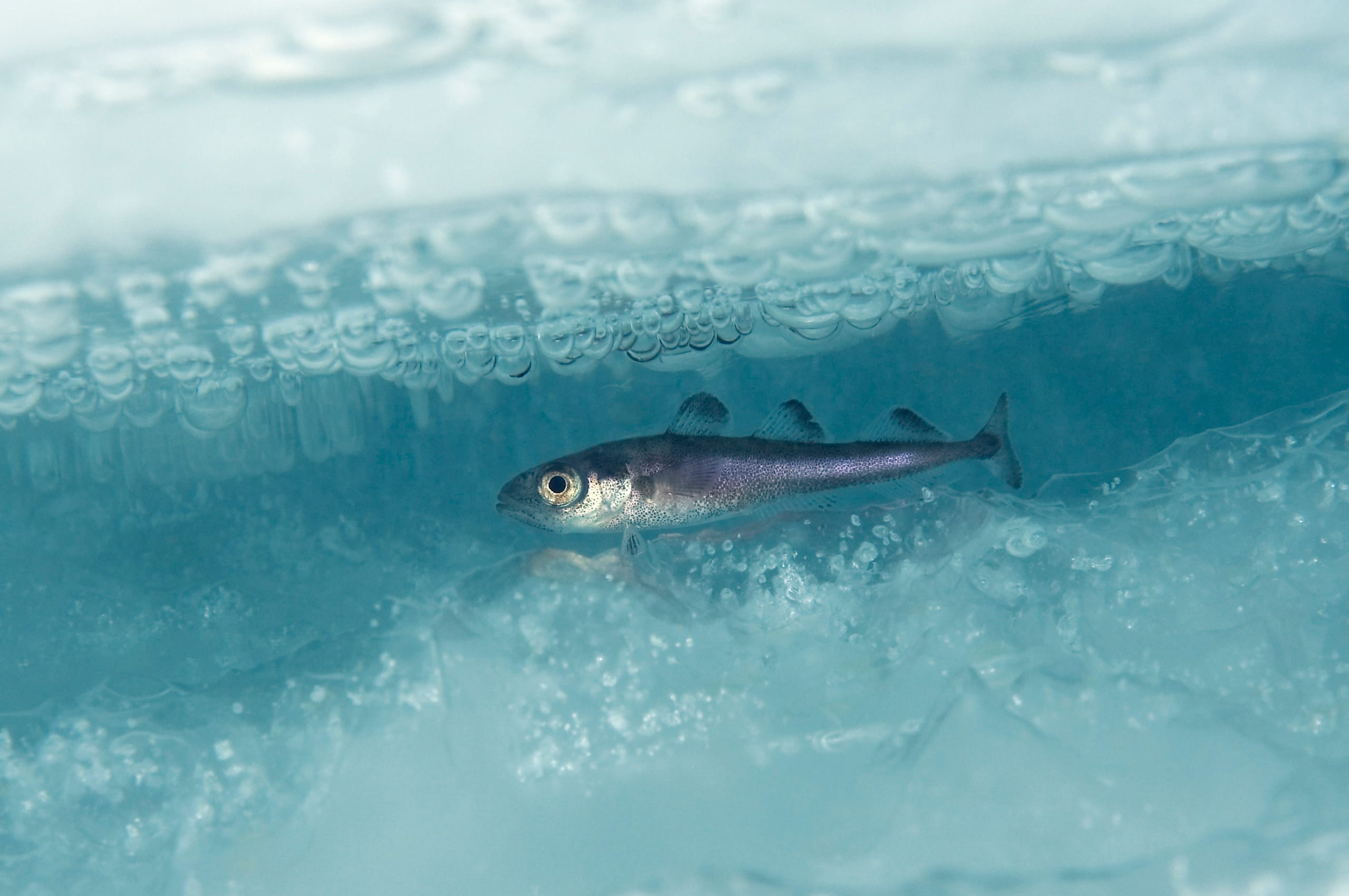 The Arctic cod is one of the species that is being affected negatively by climate changes. (Image credit: Erling Svensen, Institute of Marine Research)
“Then new species come into their areas and eat them or their food,” she adds.
Good News for the Boreal Species
For the species living in the southern Barents Sea, climate change can be good.
“The boreal species, such as cod, have larger habitats,” says Ingvaldsen.
Another consequence of warmer water and migrating species is that the ecosystem becomes more connected.