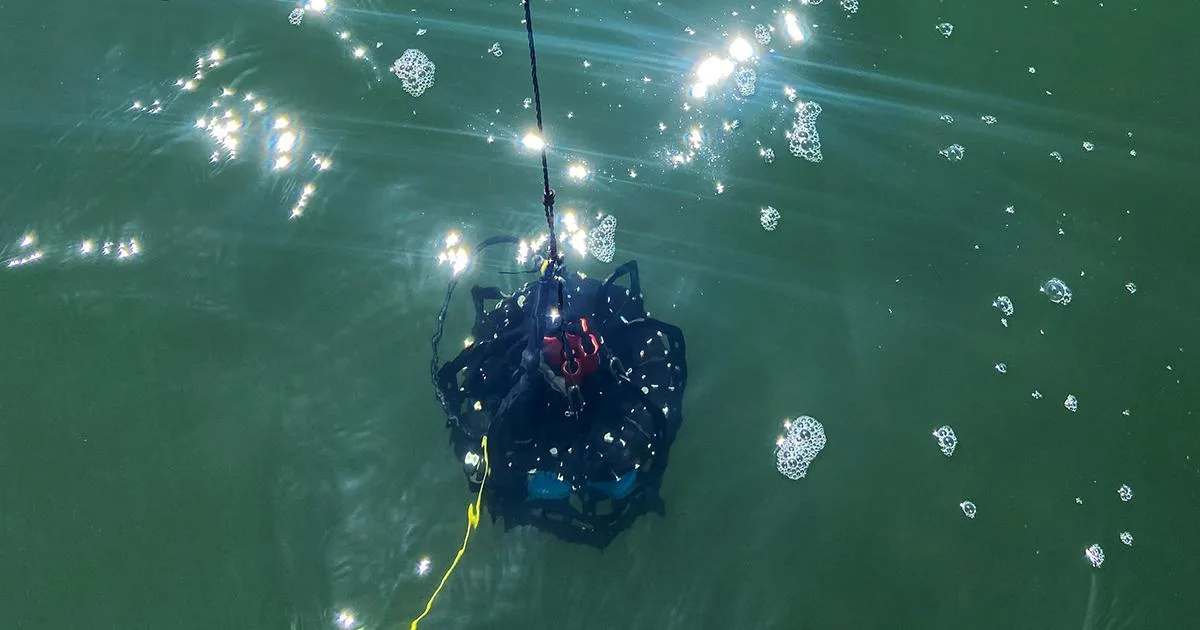
UBC biochemical engineering researchers Dr. Mona Rahmani and Dr. Johan Foster are collecting microplastics field data using Ocean Diagnostics’ automated depth sampler, Ascension. The data will be used to test a model that estimates where microplastics accumulate in the Fraser River, and the results could help to inform solutions.
“This project connects what we see in the field with what we can predict through modeling. That means we can move beyond simply detecting microplastics and begin identifying where they come from, how they travel and where interventions will have the greatest impact,” said Dr. Rahmani.
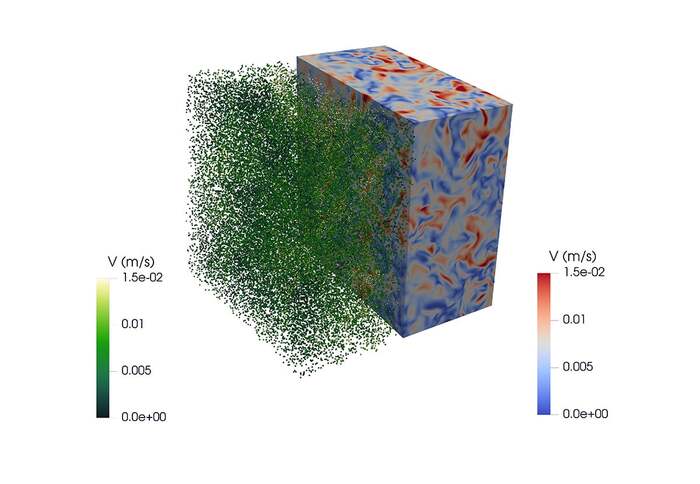
Every day, millions of microplastics flow into our rivers, oceans, and lakes, threatening aquatic life and making their way into our food chain. The Fraser River and the Strait of Georgia are vital waterways. They are also hotspots for microplastic pollution coming from laundry, wastewater, storm runoff, and industrial activities.
The dispersion of microplastics through a river water system is a complex problem that depends on many physical, chemical, and biological processes. Gathering reliable field data in unpredictable conditions, turbid waters, and changing currents is not easy. Often, the data generated is only a snapshot of overall microplastic distribution.
Ascension is a 22-pound portable and automated microplastics depth sampling instrument that collects filtered microplastic samples down to 400 meters in the water column. It enables sampling at deeper depths and in challenging conditions, supporting more comprehensive data collection. The team is deploying the instrument across multiple sites along the Fraser River estuary into the Strait of Georgia to collect microplastic samples.
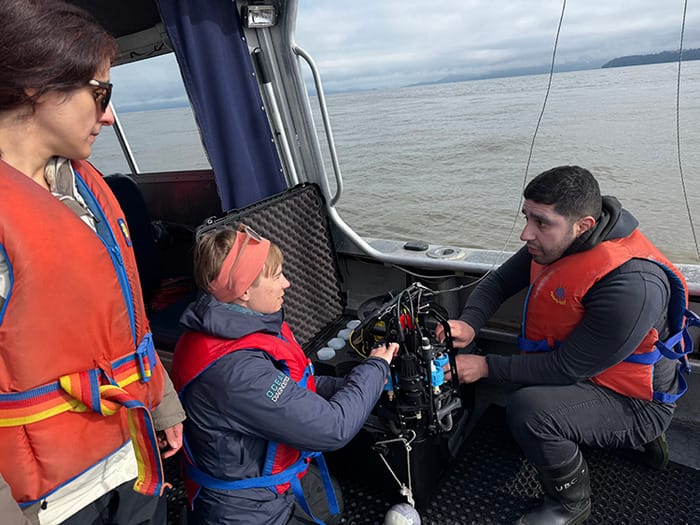
“In theory, microplastics are light and should float, so a lot of research has been done at the surface of the water. In reality, they are quite sticky and attach to other particles, like sand and heavy silt particles, that weigh them down. This causes microplastics to sink to deeper depths. Our hypothesis is that microplastics end up in the sediment of rivers and oceans. We need to test this in the environment by sampling the concentration of microplastics at different depths,” explained Dr. Rahmani.
As part of a broader project involving Ocean Diagnostics and the National Research Council of Canada’s work on microplastics monitoring, the collected samples are also being analyzed at Ocean Diagnostics’ microplastics testing laboratory to assess abundance and polymer types. This information helps advance understanding of microplastic distribution, composition, and potential sources in aquatic environments, and can support evidence-based monitoring and assessment efforts.
With such a ubiquitous problem, it is challenging to know where to focus on regulation and remediation. Combining advanced field sampling technology with powerful computer simulations can provide the robust data needed to fill these gaps.
“Microplastics are everywhere, but our ability to act is limited by a basic knowledge gap: we still do not know where they accumulate, how they move, or which parts of our waterways are most at risk. That is what this work is designed to change,” shared Dr. Foster.
Learn more about Ascension here.