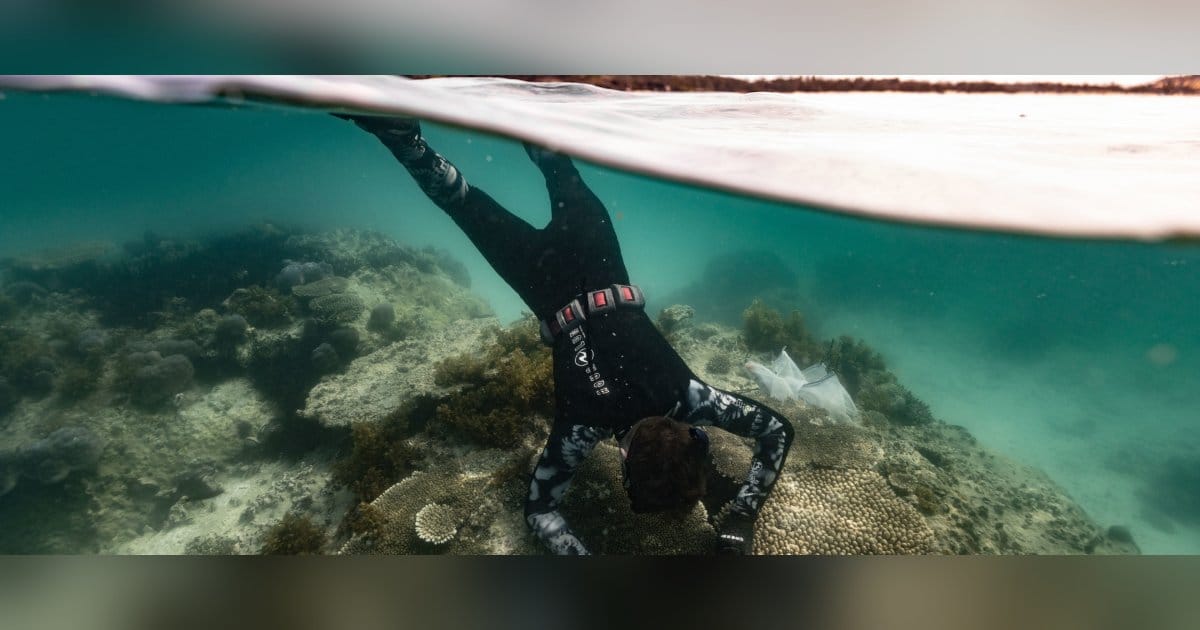
The region is home to some of Australia’s most culturally and ecologically significant coral reefs. Yet the waters around Groote Eylandt have remained largely undocumented by modern science.
Now, a new study has provided the most detailed picture yet of these little-studied coral reefs, creating a foundation for future monitoring and conservation.
Annabelle Doheny, former Anindilyakwa Land and Sea Rangers Indigenous Protected Area (IPA) Coordinator, said the reefs of the Groote Archipelago are among the most spectacular she has encountered.
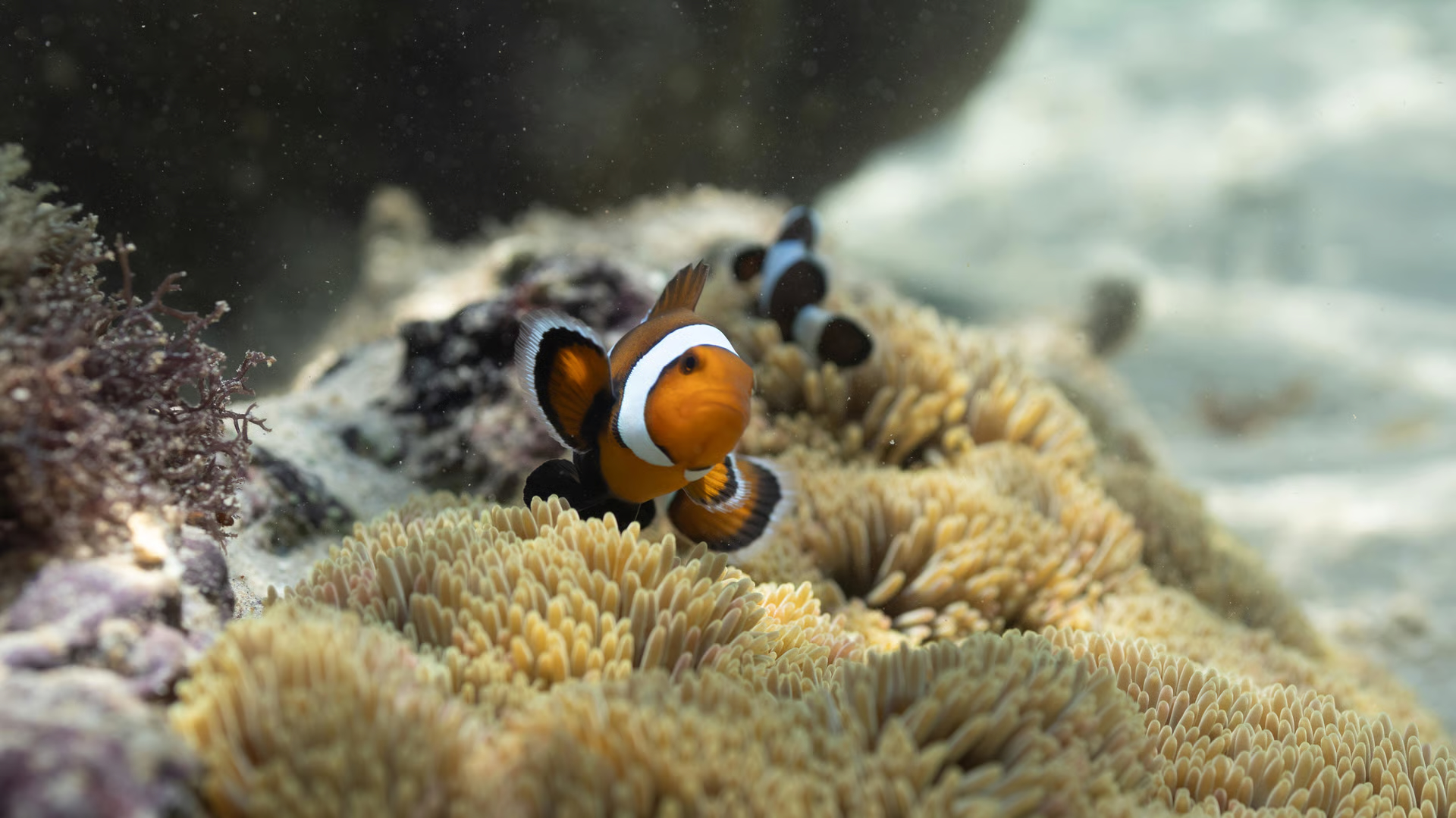
“I’ve worked and dived on the Great Barrier Reef and Ningaloo Reef, and I truly believe I’ve seen the most impressive array of marine life on the reefs around the Groote Archipelago,” she said.
The new study, co-authored by Anindilyakwa Land and Sea Rangers and researchers from the University of Technology Sydney (UTS), has been published in the journal PLOS One.
It documents the benthic composition—or seafloor life and geology—of five reefs surrounding Groote Eylandt using underwater remotely operated vehicles (ROVs) deployed in waters that can be challenging to access due to saltwater crocodiles and marine stingers.
Living coral reefs in the Gulf of Carpentaria were only documented in published scientific literature in 2004, and just seven reef studies have been published since, none focused on Groote Eylandt or specifically on coral.
Ph.D. researcher and lead author on the paper, Dane Wattle, said reefs worldwide are facing more frequent and intense stress events that can push them into a degraded state, with long-lasting consequences.
“To ensure an effective ongoing conservation strategy that can support reefs in the face of environmental change, it’s essential to understand what’s there to begin with, and in Groote Eylandt, that basic data just didn’t exist,” he said.
The surveys, largely captured using an underwater ROV, found coral cover ranging from 5 to 47 percent across sites, dominated by hardy massive corals rather than the branching varieties more common on other reefs. The technology allowed researchers to survey reefs in waters that are difficult and often hazardous to access.
The fieldwork coincided with a stress event in early 2024, and satellite data showed sea temperatures were elevated in the lead-up, though not to a level typically associated with severe coral bleaching.
It was on-the-ground surveys by the ranger team that first identified mass coral bleaching at several sites in the Gulf of Carpentaria.
“Satellite data provides an early warning, but only monitoring can show what’s actually happening on the reef,” said Mr. Wattle.
Senior researcher on the paper, Associate Professor Emma Camp said the finding challenges assumptions that marginal reef systems are naturally resistant to heat stress.
“Remote reefs like these have too often been treated as an afterthought in conservation, despite how important they are to the communities who rely on them,” she said.
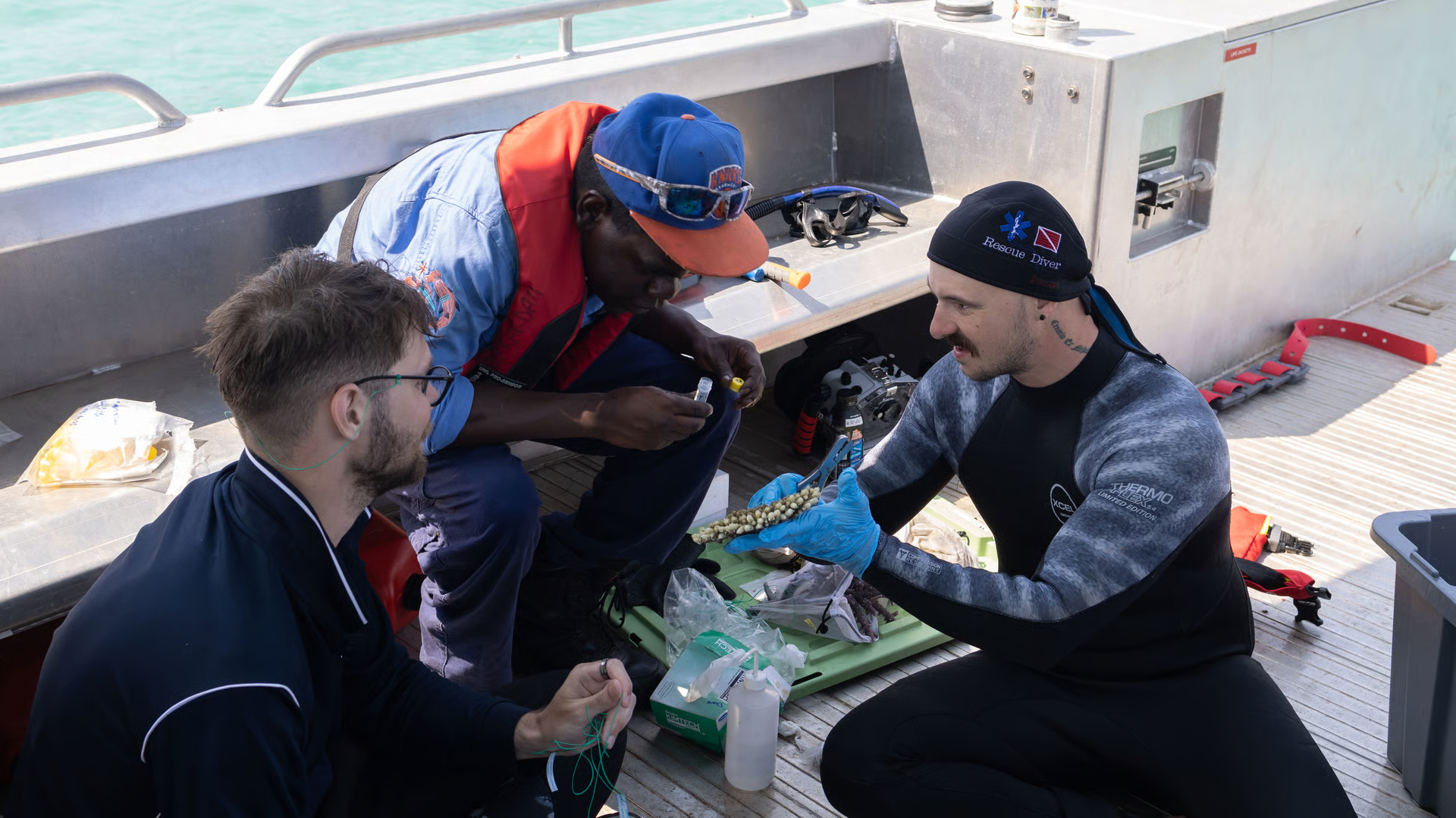
The research is the result of a close partnership between UTS scientists, Anindilyakwa Land and Sea Rangers, and Traditional Owners. Rangers guided the team to key reef sites using traditional knowledge, while scientists trained rangers to pilot ROVs and drones.
“We need to bring together different forms of knowledge to better understand these reefs and the challenges they face,” Associate Professor Camp said.
Ms. Doheny, who completed an honors degree under Associate Professor Camp’s supervision at UTS, agreed.
“Traditional knowledge-holders can provide context for an area, telling stories about environmental shifts they’ve seen over time,” she said.
“Scientists can then work with them to document those changes and use modern technology to develop management approaches that protect these high-value ecosystems.”
The reefs face mounting pressure. Climate change and sea level rise threaten Groote Eylandt’s low-lying areas and culturally significant marine sites.
Closer to shore, the region’s large manganese mine faces major water inundation issues as it approaches a predicted closure in 2032, with a proposed ocean outfall to pump gigalitres of water into the sea raising concerns for nearby coral, seagrass, and marine microorganisms.
While Traditional Owners have strong rights over land under the Aboriginal Land Rights Act, protections for marine environments are more limited, despite Sea Country making up around 70 percent of the Anindilyakwa IPA.
For a community that relies on the reefs for subsistence fishing and cultural wellbeing, this leaves a significant gap in protection precisely where the ecological and cultural value is greatest.
With this baseline data established, the team is now seeking additional funding to support the next phase of the research, focusing on clarifying reef taxonomy—including potential unique or endemic species—and testing how resilient the corals are to rising temperatures and falling oxygen levels.
Beyond its scientific findings, the project has already reshaped how the rangers approach Sea Country management.
“This project puts coral reef monitoring on the radar of the Anindilyakwa Land and Sea Rangers,” Ms. Doheny said.
“Building it into the yearly work plan has become a priority, and it’s a high-engagement activity the rangers genuinely enjoy.”