The American Shore and Beach Preservation Association selected five projects nationwide for its 2026 Best Restored Shore Award, which recognizes outstanding natural infrastructure restoration projects that restore natural resources, enhance habitat, increase shoreline resilience, and provide long-term benefits to coastal communities. They noted that the Queen Bess project exceeded its habitat restoration and bird-nesting goals, with monitoring demonstrating significant benefits to avian communities most impacted by the Deepwater Horizon oil spill.
“This award is a testament to what Louisiana can accomplish when we put restoration dollars to work with a clear vision and a commitment to our coastal resources,” said Louisiana Coastal Protection and Restoration Authority Chairman Gordon “Gordy” Dove. “Queen Bess Island is an important part of Louisiana’s coastal ecosystem, and its restoration is helping protect critical habitat for generations of birds while strengthening the resilience of our coast. We are proud to see this Louisiana project recognized on the national stage.”
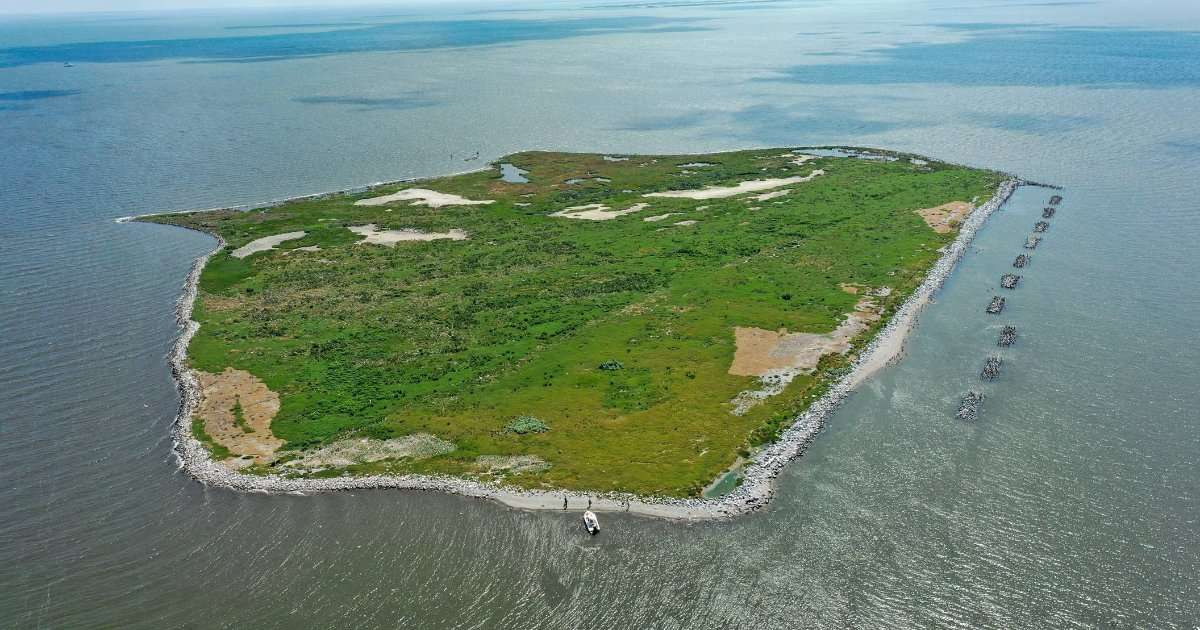
Located near Grand Isle in Jefferson Parish, Queen Bess Island is an important nesting site for brown pelicans and other colonial waterbirds. Years of erosion and subsidence had significantly reduced the island’s available nesting habitat in active use by a brown pelican colony.
The Queen Bess Island Restoration Project increased the abundance and quality of nesting habitat on the island by placing material to expand nesting habitat and elevate the island. The project also improved the existing protective rock ring, added breakwaters and bird ramp features, and initiated vegetative plantings, all designed to improve the island’s long-term stability and ecological function.
The project was funded through the Louisiana Trustee Implementation Group’s Deepwater Horizon Natural Resource Damage Assessment funds and implemented through a partnership among the Louisiana Coastal Protection and Restoration Authority, the Louisiana Department of Wildlife and Fisheries, federal trustees, and other partners.