The publication examines the growing threat of coral bleaching to Mauritius’ reef systems, which are already facing rising sea temperatures, ocean acidification, and mounting local pressures from tourism, ports, and coastal development. These reefs play a critical role in supporting biodiversity, protecting shorelines, and underpinning the nation’s economy through tourism and fisheries.
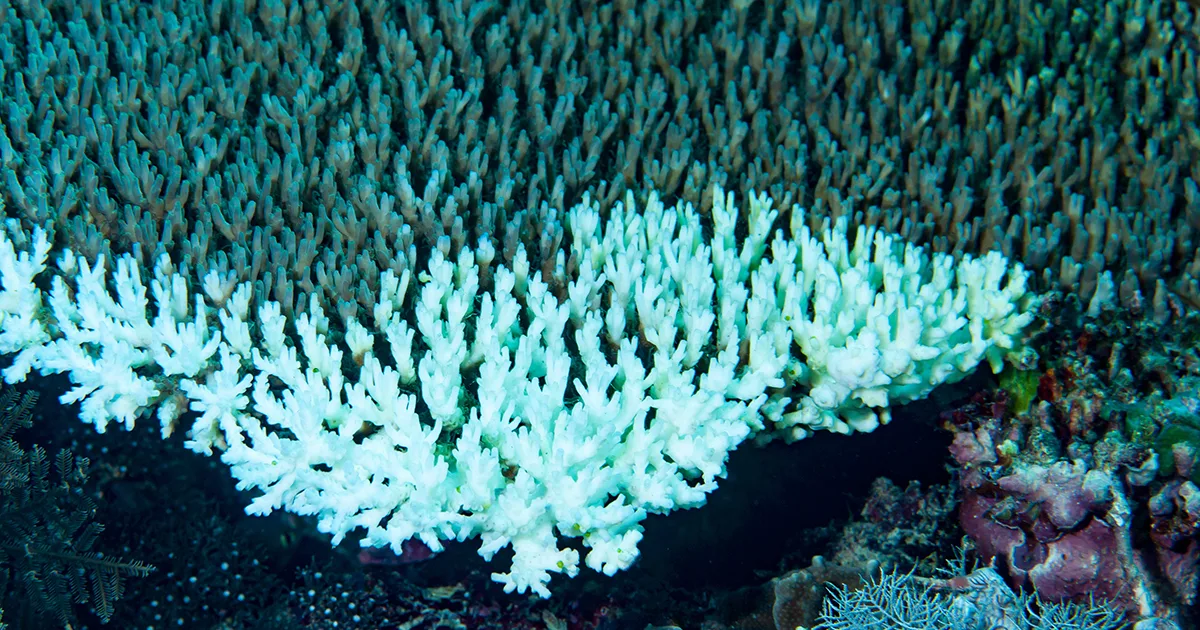
When stressed by heat, corals expel the algae living within their tissues, losing both their color and primary energy source. This process, known as bleaching, leaves corals vulnerable to disease and mass mortality. With global marine heatwaves increasing in frequency and intensity, the resilience of Mauritius’ coral reefs is being severely tested. This whitepaper highlights that these ecosystems are not only ecological treasures but also economic lifelines. Coral reefs worldwide contribute an estimated $10 trillion annually through services such as coastal protection, fisheries, and tourism, with Mauritius’ blue economy heavily reliant on their continued survival.
Co-author and Mauritian native Dr. Anusha Nawoor said, “Growing up in Mauritius, I’ve watched the reefs I grew up with fade in real time. Protecting our reefs means safer coasts, secure livelihoods, and a resilient blue economy. I hope this whitepaper is able to shine a light on where we are right now and inspire action, so we see more monitoring, more research, and innovative solutions to help protect our reefs.”
The study sets out a range of practical interventions, from reducing local pollution and improving wastewater management to reef-safe tourism practices, habitat restoration, and nature-positive coastal development. It also connects these measures to wider global frameworks, enabling policymakers, businesses, and conservation groups to align their actions with science-based targets for nature.
This whitepaper is part of Tunley Environmental’s contribution to reducing environmental impact in Small Island Developing States (SIDS), which are among the most vulnerable to climate change yet too often overlooked in global sustainability discussions. It follows Tunley’s expansion into Mauritius and reflects a close collaboration with scientists based on the island to ensure local expertise is embedded in solutions.
The Coral Bleaching in Mauritius whitepaper is available to download here.