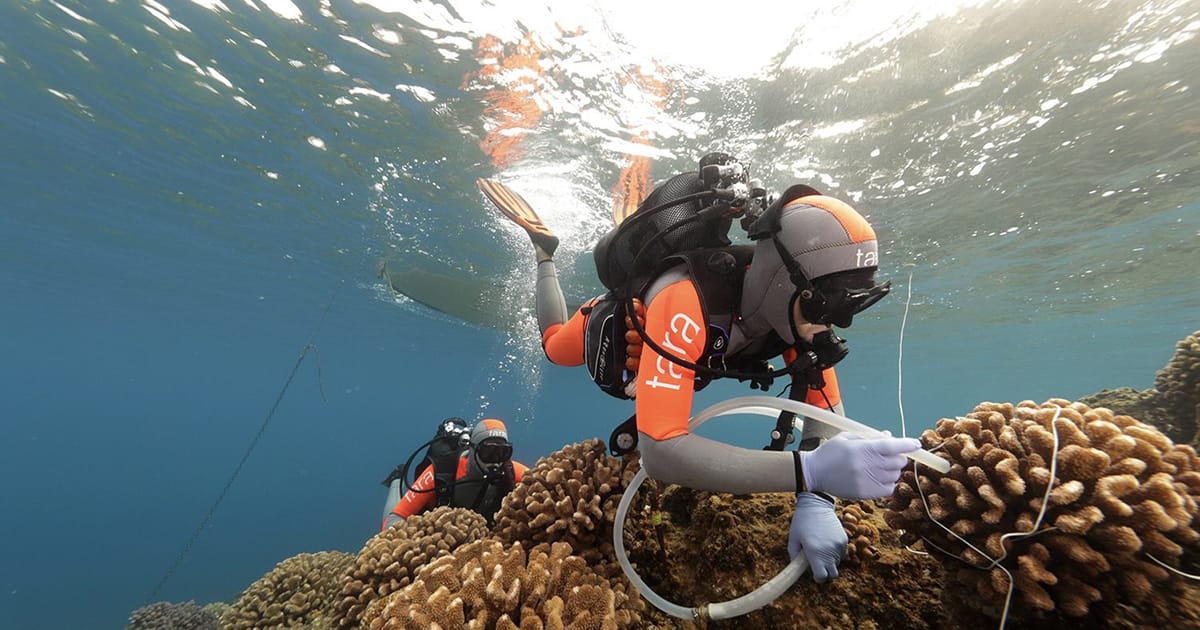
As coral reefs around the world face unprecedented bleaching and decline, an international team of scientists, including those from the Woods Hole Oceanographic Institution (WHOI), is setting out to investigate why certain coral ecosystems have remained relatively stable despite rising ocean temperatures.
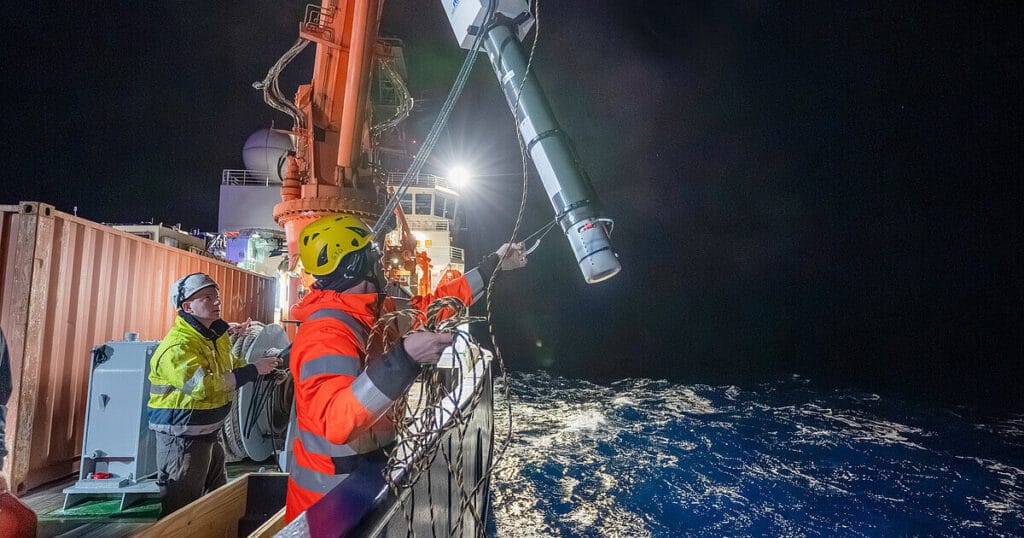
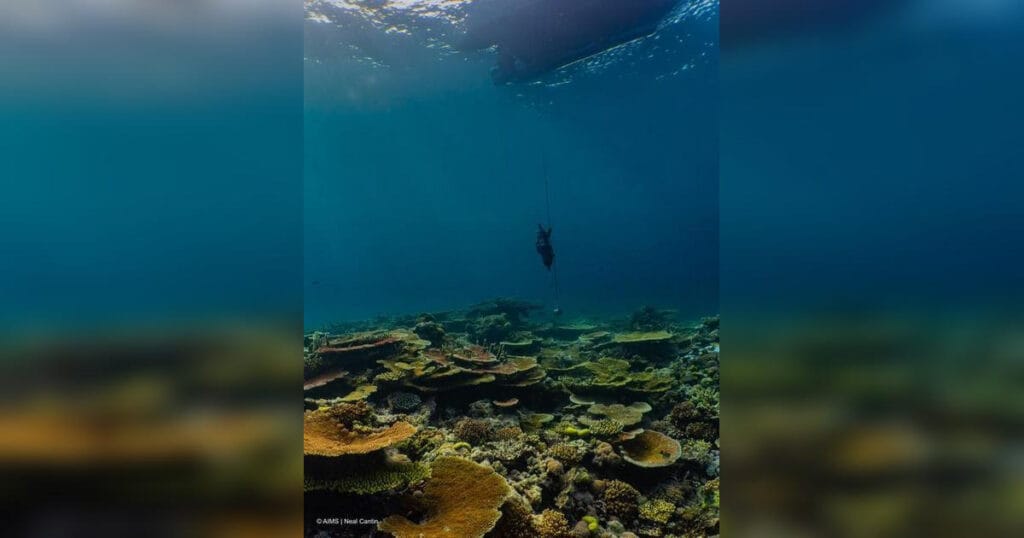
The Tara Ocean Foundation has launched Tara Coral, a two-year expedition (2026–2028) to study climate-resilient reefs across the Coral Triangle in the western Pacific. Covering more than 30,000 nautical miles, the scientific schooner Tara will travel through six countries, conduct 26 port stopovers, and complete intensive sampling at 10 reef sites where coral cover has remained relatively stable despite warming seas.
James Wainaina, a viral ecologist in WHOI’s Biology Department, will participate in efforts to characterize the viral communities living within these reef ecosystems. His work will examine viruses associated with corals themselves, the surrounding seawater, and reef sediments, an often overlooked but critical component of reef health.
“Corals are not just animals—they are complex ecosystems,” said Wainaina. “They live in close partnership with algae, bacteria, fungi, viruses, and other eukaryotes. We want to understand which viruses are present, how these viral communities shift within corals, surrounding seawater, and sediments, and whether virus-mediated functional processes contribute to corals’ resilience to heat stress. This expedition aims to provide a process-based understanding of factors underlying coral resilience across the Coral Triangle.”
Corals are “holobionts,” meaning the animal host and its associated microorganisms operate as an integrated biological unit. While previous global expeditions documented reef biodiversity, Tara Coral aims to move beyond cataloging diversity to identifying the biological processes that enable some reefs to tolerate thermal stress. The team, composed of sixty-seven scientists from more than 40 institutions, will integrate environmental DNA sampling, photogrammetry, microbiome analysis, paleoclimate coring, and onboard heat-stress experiments.
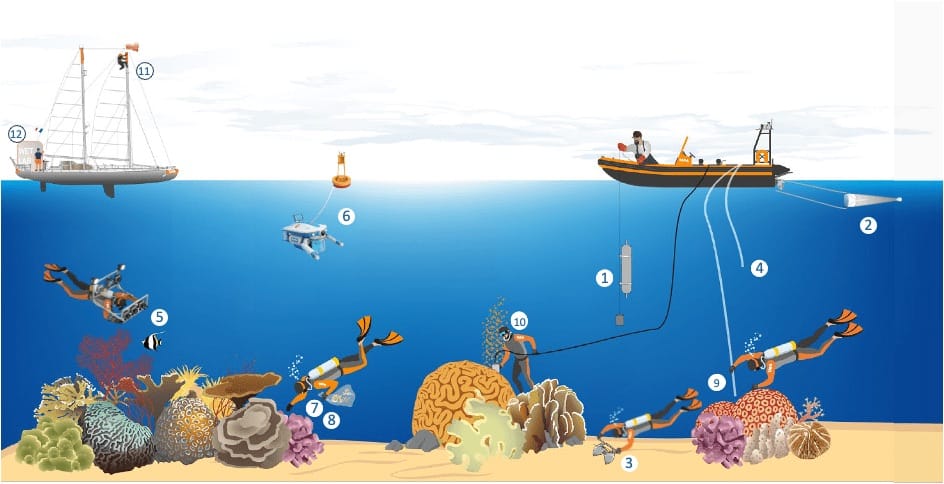
“The Tara Coral expedition is unique due to its combination of scientific scope, methodological standardization, geographical focus, and integration between disciplines and partners,” said Christian Voolstra, a researcher from Konstanz University and one of the project’s scientific directors.” Now is the time to act to understand, preserve, and strengthen the resilience of coral reefs.”
Tara Coral builds on the earlier Tara Pacific expedition (2016–2018) and continues the foundation’s more than 20 years of ocean exploration. Since acquiring the schooner in 2003, the Tara Ocean Foundation has traveled nearly 590,000 kilometers (366,609 miles), led 13 expeditions, collected 140,000 samples, and contributed to thousands of scientific publications aimed at informing global ocean policy.