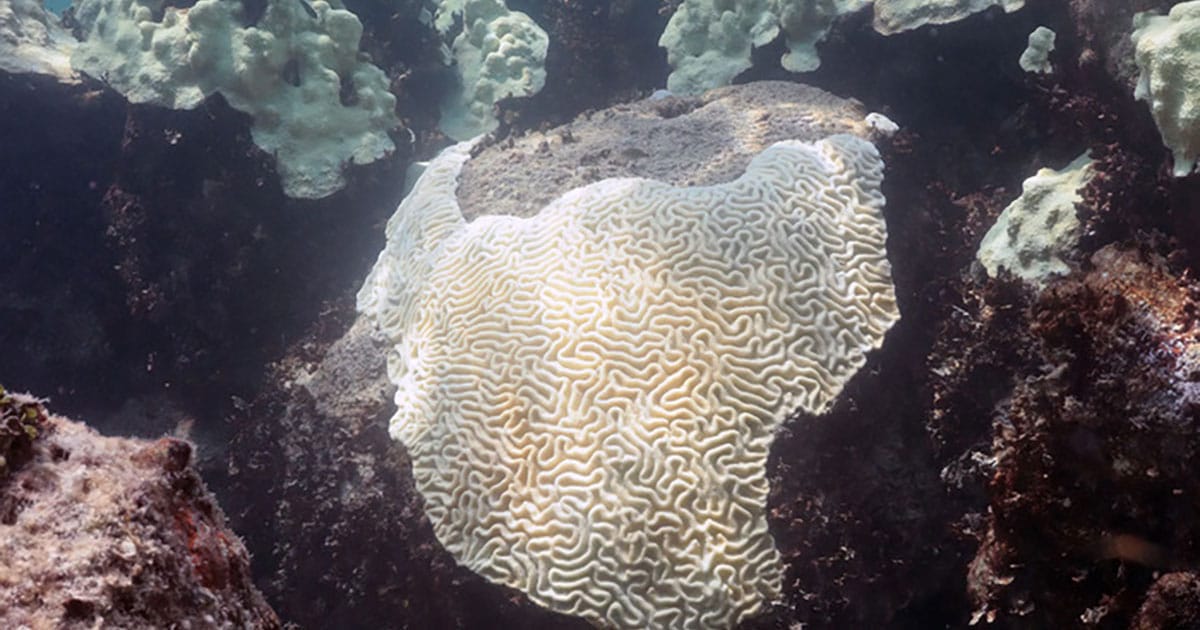
Following the severe bleaching in Western Australia in early 2025, global heat stress has been in decline and there have been only isolated reports of coral bleaching. The Western Australia bleaching event likely bookended the fourth global event.
“We needed to confirm that no widespread, large-scale bleaching was reported anywhere during the austral summer which ran from December 2025 through February 2026, before we were confident the event had ended,” said Derek Manzello, Coordinator of NOAA’s Coral Reef Watch. “We are now in the era where reefs will bleach on a near-annual basis, which means defining when global events begin and end is becoming increasingly difficult. The plan moving forward is to rely on field bleaching observations to determine if and when global events are happening.”
This news comes during National Ocean Month and a day after World Reef Awareness Day on Monday. Both events are designed to focus the public’s attention on the importance of a healthy ocean. Coral reefs are a window into ocean health. Coral reefs provide coastal protection from waves, biodiversity support for ocean species, and economic opportunities for communities in tourism and fisheries.
El Niño Risks Ahead
The expected emergence of El Niño in the next few months will result in increased ocean temperatures that could bring a return to widespread coral bleaching. NOAA’s four-month coral bleaching outlook shows a high risk to coral reefs throughout much of the north Pacific Ocean (including Hawai’i), as well as Florida and the Caribbean later this summer.
Since 1998, global coral bleaching events have coincided with every strong El Niño event with heat stress becoming more widespread and severe with each successive event. The 1st and 2nd global coral bleaching events occurred in 1998 and 2010, respectively, followed by the 3rd global coral bleaching event that spanned three years, 2014–2017.

Research into Coral Resilience
Despite the massive scale of this fourth event, not all coral reef areas bleached even when exposed to high ocean temperatures. Scientists are looking into these locations to understand what factors may have contributed to their ability to resist bleaching.
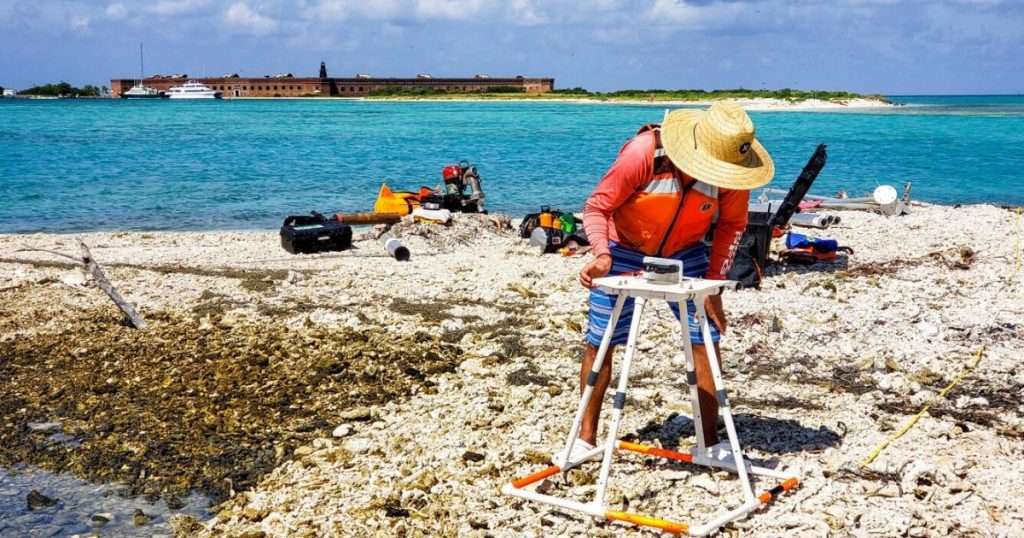
“NOAA and its partners are studying multiple aspects of heat tolerance in corals,” said Jennifer Koss, Director of NOAA’s Coral Reef Conservation Program. “This will help us better understand resilience in corals and improve coral restoration strategies and techniques across the nation.”
Even with the end of the fourth global event, sea surface temperatures are still higher than 25 to 30 years ago, when the first global coral bleaching event occurred.
“Thermal stress is now pervasive on our nation’s coral reefs,” said Derek Manzello, Coordinator of NOAA’s Coral Reef Watch. “Frequent, regular monitoring is more vital now than ever before, as it is the only way to understand the biological and physical factors associated with bleaching resilience from the organism to ecosystem level.”