Rod and Line Fishing Is a Blank Slate
“Rod and line fishing has great potential to be a source of sustainably harvested, high-quality bluefin tuna for the lucrative restaurant market. If it is done right, of course,” said Michael Breen, the Project Manager for WelTuna.
The researchers are documenting everything from capture, including the tuna’s behavior during the fight, through to the chemical composition of the meat before and after slaughter, and the slaughter method. The aim is to establish best practice.
“These fish are enormous, but they are also delicate, since their meat can easily be spoiled. Quick and proper handling is important—both during and after capture,” said Breen.
Tuna Dive Straight Down After Striking
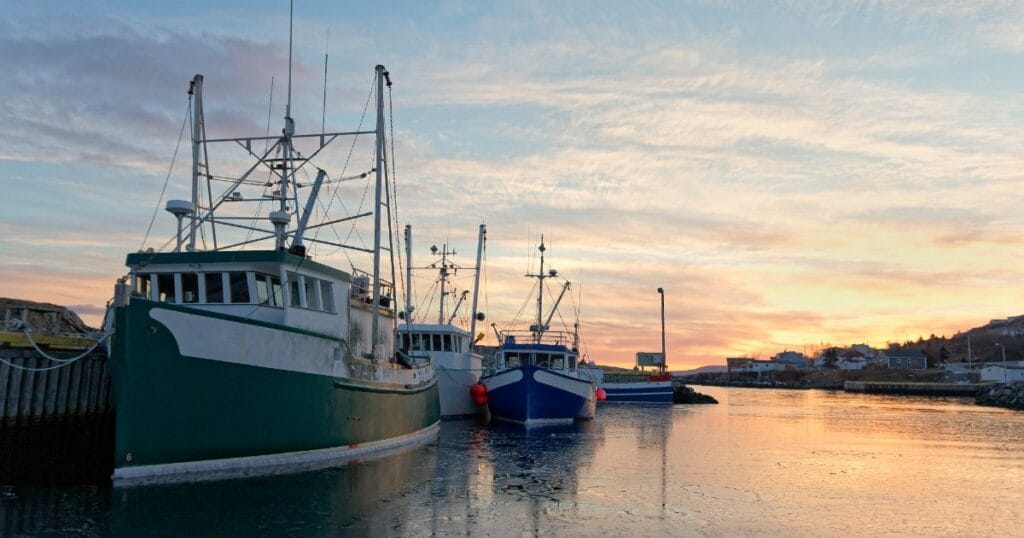
Rod and line fishing for tuna is done from fast, small boats. Typically, fishers look for feeding bluefin tuna, and then troll over the school with artificial squid lures.
If you are lucky, a 300-kilo fish suddenly shoots up to the surface and swallows the hook.
That is when the show starts.
“The bluefin tuna quickly dives straight down—often over one hundred meters,” said Breen.
Land the Fish Quickly
“This may be a pure reaction to being caught on the hook. Our other theory is that the tuna dives down in order to locate the school from its silhouette against the sky. Because over half the fish we have observed so far have swum back into the school within a short space of time.”
Once in the school, their behavior and swimming speed match that of the other fish. Seemingly, they are not greatly affected by being caught on a hook.
These observations have been made using cameras and accelerometers attached to the hook.
“It is not clear whether the fish are experiencing elevated levels of stress during this part of the fight. We need more data to comment on their stress levels, but in any case it is very interesting that they tend to swim normally with the school,” said Breen.
Next, the rod and line fishers who minimize the fight time chase the fish down with their boat. They only start to “fight” when they are directly above the school and the fish.
“Then there is only a short way up. Some fishers spend less than 30 minutes in total landing the fish,” said Michael Breen.
Studying Japanese Slaughter Methods
One problem with bluefin tuna is that it can “overheat” when it becomes stressed or if it is handled wrong.
This phenomenon, which spoils the meat, is known as yake and mure in Japanese, or “burnt tuna syndrome”. The underlying mechanism is not well documented, but temperature, lactic acid, and stress hormones may all be factors.
How quickly the tuna is slaughtered also matters, and the researchers are studying methods that are suitable for small boats. These include the Japanese ikejime technique.
Michelin-Starred Chef Dispels Myths
“Many people assume that yake will be prevalent in rod and line caught bluefin tuna, but initial results indicate that quite the opposite is true. Rod and line fishing may be a good way of obtaining restaurant-grade fish,” said Breen.
The first bluefin tuna of the year caught under the WelTuna project ended its days at the Michelin-starred restaurant Lysverket in Bergen.
“This could be the best bluefin tuna we have ever tasted,” said Owner and Head Chef Christopher Haatuft.
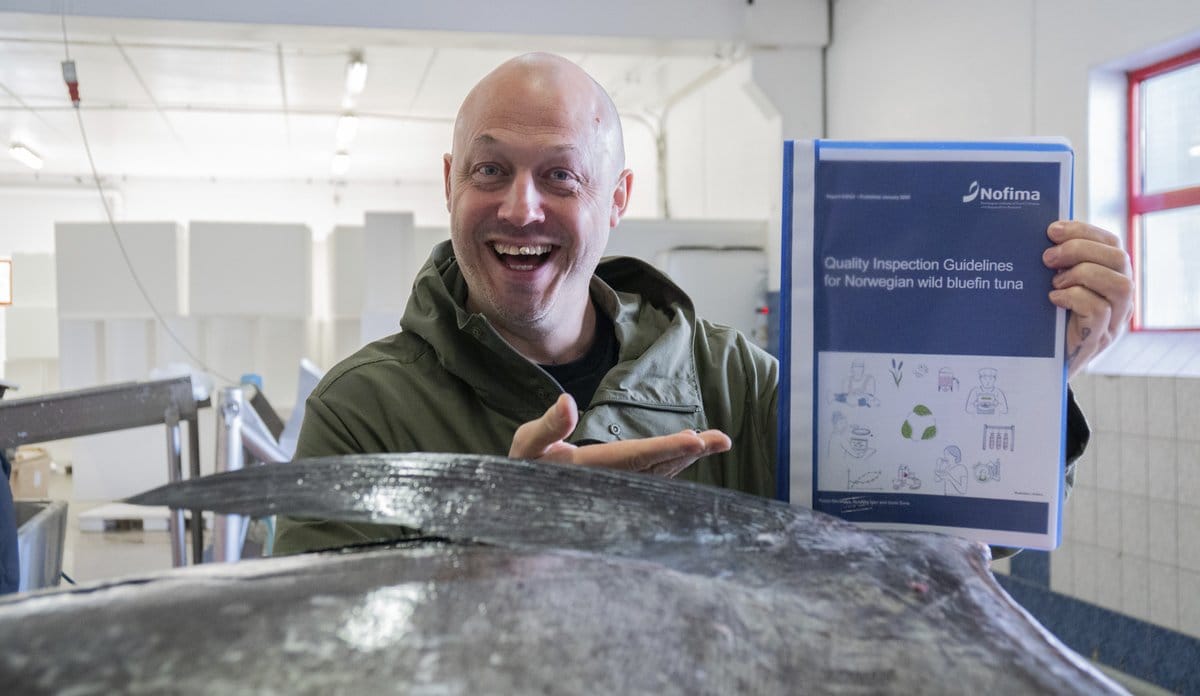
“I imagine it is down to the fight time, which I understand was around 20 minutes, rapid slaughter, and how it was handled,” he said.
The 2025 fishing season has been very slow for rod and line fishers, including the research team. It is now drawing to a close.
The researchers are planning more trials to obtain more data next year.