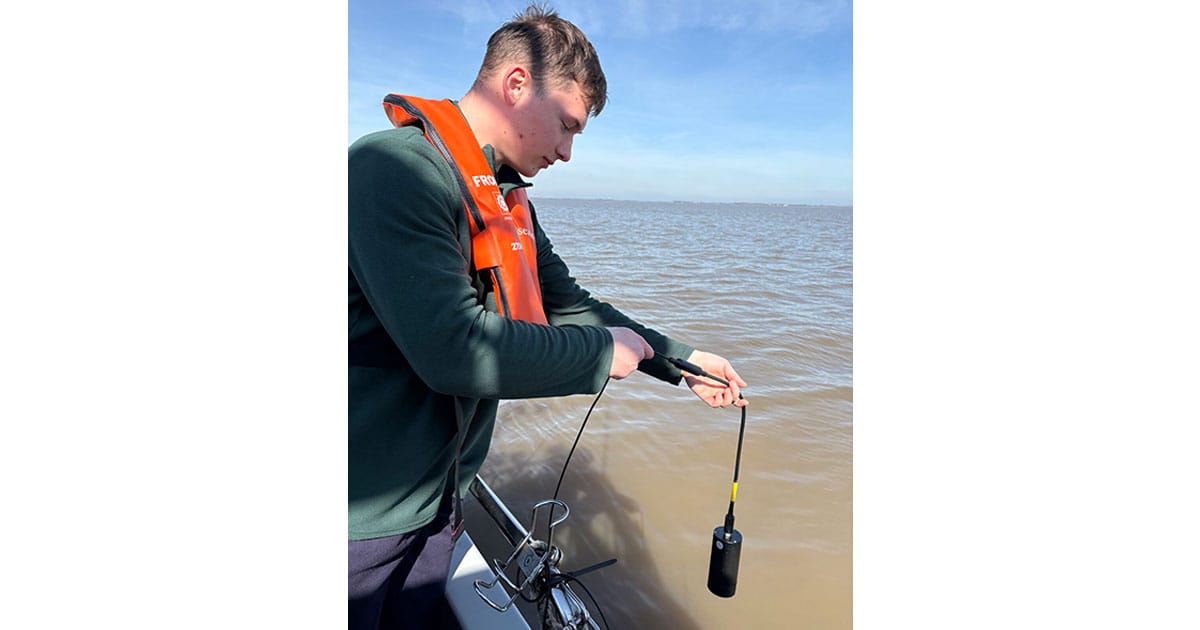
This will support their assessment of the coastal environmental impact following the Jet A1 fuel spill from the Stena Immaculate and MV Solong collision in the North Sea.
The University of Hull (Prof. Rodney Forster’s team) has been highly responsive and has already taken many samples back to its laboratory for analysis.
They have also used the Chelsea FastOcean/Act II (precursor to the Chelsea LabSTAF) for analyzing phytoplankton primary productivity from the water samples and have confirmed results show high values of phytoplankton productivity in the waters near the collision site.
The presence of healthy phytoplankton reduces concern about any potential impacts on the marine ecosystem.
The UviLux PAH Fuel will assist the University to assess concentration, movement and dispersion of Jet A1 fuel from the vicinity of the collision site to the surrounding area including the Humber river over the coming weeks.