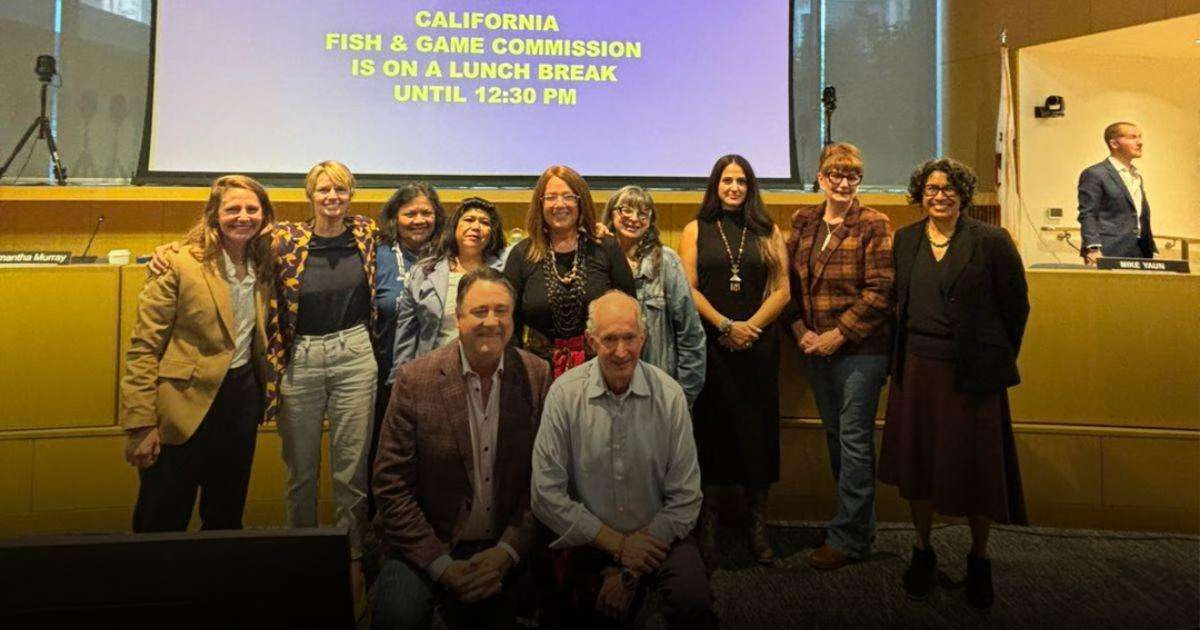
Both were proposed by Chumash tribes, making them the first tribally nominated MPAs in the state’s network. Point Sal will also receive a new name, to be chosen in consultation with the Chumash people. CFGC also approved an expansion of the Point Dume State Marine Conservation Area (SMCA) and a stronger Pyramid Point SMCA, which protects declining fish populations while preserving tribal harvest. Marine Conservation Institute celebrates this milestone for the network and for the tribes who made it happen.
The votes follow three years of public meetings, tribal engagement, and scientific review as part of the state’s first decadal management review of its MPA network. It is adaptive management happening in real time. The MPA Guide, a science-based framework published in Science in 2021, describes the final stage of an MPA’s life as “actively managed,” with ongoing monitoring, periodic review, and adjustments as needed. It names California’s MPA network as an example, and last week’s decisions show that approach working.
“A protected area network is only as strong as its willingness to keep adapting. By adding new MPAs a decade after the network was implemented, California is showing the world how a living network is meant to evolve,” said Dr. Lance Morgan, President of Marine Conservation Institute.
The new areas also create an opportunity for state agencies and Chumash tribes to work together on stewardship, building on the Chumash Heritage National Marine Sanctuary, and the state’s goal of expanding tribal stewardship. According to the Governor’s office, the actions bring the share of California’s coastal waters conserved to 22.2 percent.
“I was in the room when the vote came, and I will not forget the applause from the tribal members, petitioners, and partners who had worked tirelessly for three years to protect these culturally significant places. Seeing Chumash tribes lead the way, and the opportunity this creates for state and tribal co-stewardship, was a powerful moment for California’s ocean,” states Ali Rubin, Marine Conservation Institute scientist.
The Commission’s vote is not the final step. A formal rule-making process lies ahead, and the new areas will not take effect for a couple of years. Marine Conservation Institute will continue to work with the Commission, the Ocean Protection Council, the Department of Fish and Wildlife, and tribal partners to make sure these areas deliver lasting, measurable results for marine life, climate resilience, and coastal communities.