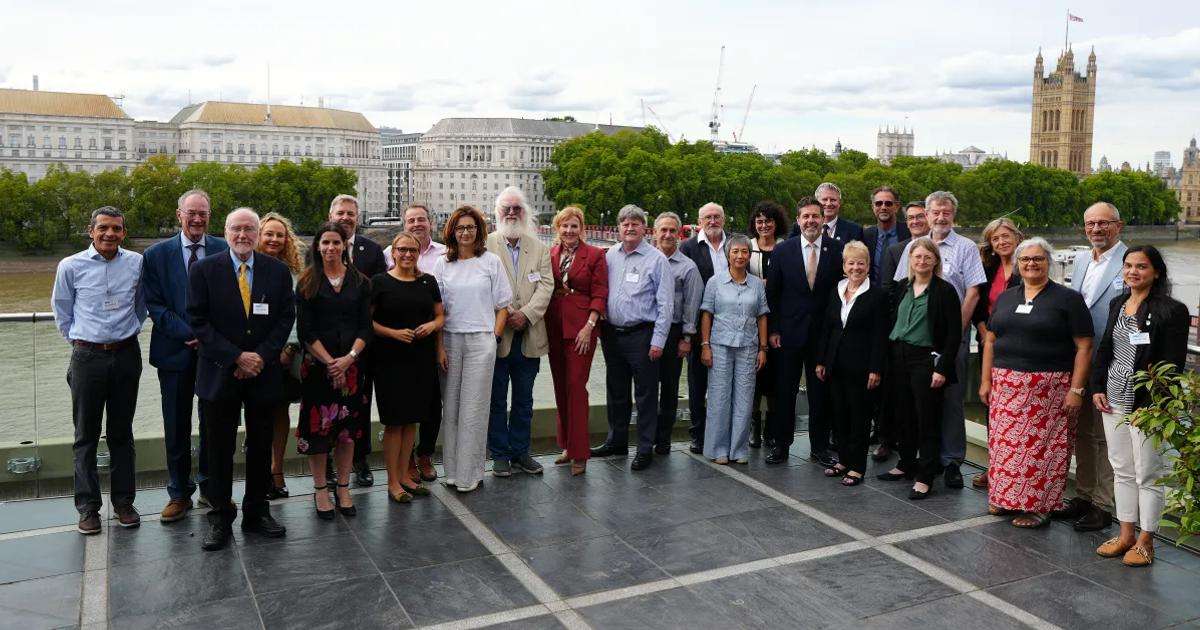
Over five days, participants heard progress reports from various working groups, covering topics as diverse as hazardous substances carried by ships, ballast water management systems, atmospheric chemical inputs, marine plastics and microplastics, ocean interventions for climate change mitigation, sea-based marine litter, climate change and greenhouse gas (GHG) impacts on ocean contaminants, and the lifecycle GHG intensity of marine fuels.
Attendees also discussed contributions to major UN initiatives. These included the United Nations Decade of Ocean Science for Sustainable Development (2021–2030), the Biodiversity Beyond National Jurisdiction (BBNJ) Agreement, the UN Regular Process, and the development of the international plastics treaty.
The agenda also featured updates from Task Teams and Correspondence Groups working on climate change, exhaust gas cleaning systems, the GESAMP Strategic Review, Large Marine Ecosystems (LMEs), cumulative environmental impacts, and potential threats from marine coatings.
Part of GESAMP’s role is to look ahead, identifying new and emerging marine environmental issues that may require future scientific assessment. GESAMP 53 identified the following emerging issues:
- Underwater Artificial Intelligence (AI) data centers;
- Space debris falling into the ocean;
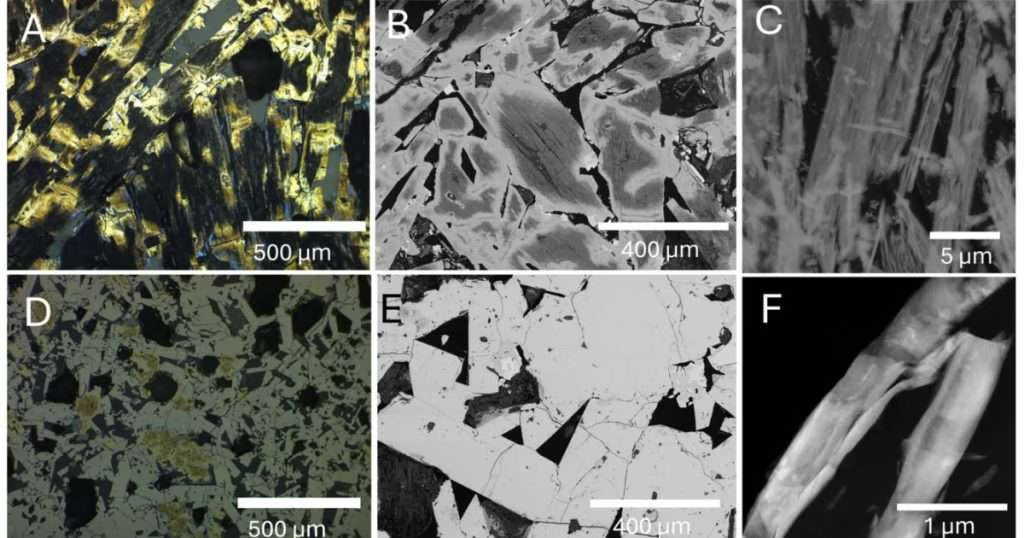
- Release of radionuclides from deep-sea mining;
- Armed conflict and its impact on the marine environment; and
- Dumping of illegal drugs into the ocean.
The Intergovernmental Oceanographic Commission (IOC) of UNESCO and UNEP are lead sponsors of a new GESAMP Working Group to serve as the scientific stakeholder group of the IOC/UNEP initiative for an Ocean Decade Programme on Ocean Pollution, giving GESAMP a central role in this ambitious new initiative. GESAMP decided to establish the Working Group as proposed, to be known as GESAMP Working Group 47 on the UN Decade Ocean Pollution Programme.
The IOC is also co-sponsor of a new GESAMP Working Group led by UNDP on LMEs, to be known as GESAMP Working Group 48 to Review the Current Criteria and Effectiveness of Large Marine Ecosystem Designations.
From underwater data centers to space debris, the issues raised at GESAMP 53 show how quickly pressures on the ocean are evolving. By co-sponsoring two new Working Groups, IOC is helping to make sure that sound science keeps pace, supporting the protection and sustainable use of the marine environment for years to come.