The ship, which was lost at sea 118 years ago, will be protected under new legislation to better protect military shipwrecks which is currently being considered by UK Parliament.
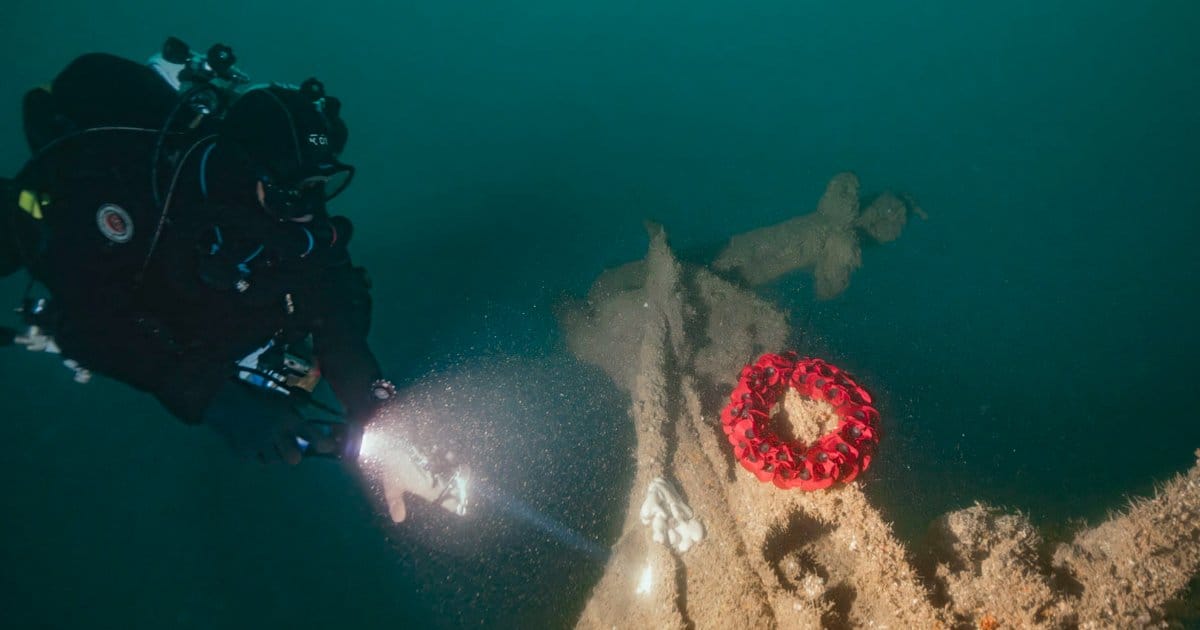
The remains of the doomed torpedo boat destroyer, which sank off the Isle of Wight following a collision, were located after extensive research by shipwreck historians-divers from ProjectXplore.
Tiger‘s discovery comes as the Government is changing the law to strengthen protections for shipwrecks through the Armed Forces Bill.
The graves of thousands of sailors and marines at sea will receive automatic legal protection through expanded powers.
Under the Armed Forces Bill, potentially thousands of shipwrecks, such as HMS Tiger, will be safeguarded from the moment they are found by a ‘protected place’ designation.
This will make it an offense to disturb or remove items from military wreck sites without permission, while permitting divers to visit freely, as long as they apply the principle of ‘look but don’t touch.’
Minister for the Armed Forces Louise Sandher-Jones MP said:
“As well as protecting UK national security, Defence has a role to play in preserving our maritime heritage and the memory of those who gave their lives serving their country.
“These protections go further to ensure that these vulnerable and nationally significant monuments are protected from day one of discovery, giving lost sailors the dignity and respect they deserve.
“This Armed Forces Bill is wide-ranging in the measures it proposes—from protecting our rich cultural heritage, to transforming the lives of military families by upgrading and improving the Defence housing estate.”
While dozens of military shipwrecks have been safeguarded against illegal activity since the mid-1980s under the Protection of Military Remains Act, only vessels lost within the last 200 years can currently be protected.
Expanding the Act to include wrecks more than 200 years old would mean that military vessels dating as far back as the Armada, including those of former foes, would qualify for protection.
The same would go for merchant ships sunk while on military service under Admiralty orders.
HMS Tiger had evaded divers since her disappearance in 1908, when she inexplicably strayed into the path of another warship during a training exercise and was cut clean in two. Fewer than half of her 57-strong crew survived.
The proposed regulations have been welcomed by ProjectXplore, the team of divers and historians who discovered HMS Tiger‘s shattered remains.
The team, who also found the wreck of cruiser HMS Nottingham in the North Sea last year, spent five years in the archives piecing together all the relevant data to help pinpoint the wreck’s location.
Leo Fielding and Dan McMullen, co-organizers of ProjectXplore said:
“It has been the privilege of a lifetime to research, discover and document the wreck of HMS Tiger. We sincerely hope that our work will ensure that HMS Tiger, her story and the memory of those connected with her endure for future generations.
“ProjectXplore welcomes the proposed amendments in the Armed Forces Bill. We believe they represent a constructive step forward in protecting the United Kingdom’s maritime heritage and ensuring that wreck sites of historical and archaeological significance are appropriately safeguarded.”
Royal Navy Deputy Fleet Wreck Officer Lieutenant Commander Jen Smith added:
“Protecting military wrecks helps to ensure they are preserved for future generations. This is beneficial for our rich maritime heritage and the diving community who keep the stories of our lost shipwrecks alive.
“Divers are still able to visit these sites and witness history first hand, which is key to ensuring that these ships and their crews are not forgotten.
“All we ask of divers is this—enjoy looking, learning and paying your respects at these incredible sites, but do so in a manner that does not disturb them.”
The Royal Navy and shipwreck hunters have been looking for HMS Tiger since the day the torpedo boat destroyer sank on exercises with the Fleet in 1908.
Tiger strayed into the path of cruiser HMS Berwick during night maneuvers. There was no time for either ship to take evasive actions and the 10,000-ton cruiser struck the 400-ton destroyer in the middle, slicing her in two.
The bow went down instantly, taking the captain and numerous crew with her. The smashed stern section stayed afloat for about three minutes before it too disappeared beneath the waves.
The tragedy made front page news, King Edward VII sent a telegram of sympathy, and commemorative postcards were produced remembering the crew.