The study, by researchers Karina Dracott, Dr. Chloe V. Robinson, Lauren Dares, Erin Woodley, Amy Migneault, and Caitlin Birdsall, explored harbor porpoise feeding trends in relation to local vessel activity in the waters surrounding the Port of Prince Rupert, one of North America’s fastest growing container ports. Busy shipping lanes serving the port overlap with prime harbor porpoise habitat, where they are found year-round.
These findings are concerning as frequent disturbances to feeding can lead to poor nutritional condition, lower reproductive success, and increased vulnerability to diseases or being hunted by other animals.
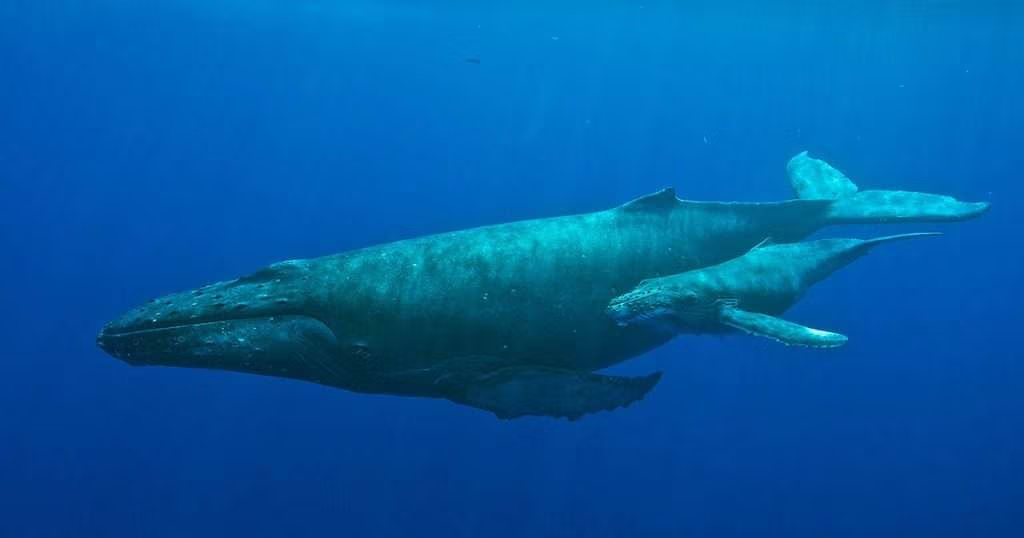
Harbor porpoises are a common but often inconspicuous species found throughout coastal waters of the northeast Pacific. Nicknamed the “shrew of the sea” for their high energy lifestyle, they must eat almost constantly—up to 10% of their body weight every day—to survive. That can mean as many as 550 attempts at catching prey per hour.
Finding this much food every day is already a challenge. Now, this study shows that foraging harbor porpoises face additional disturbance from vessels. Noise from vessel engines can disrupt harbor porpoise echolocation used to detect and catch their prey, and the presence of boats may also cause porpoises to move away from an area.
Diving Into the Research
Ocean Wise has conducted research within the nearshore waters of Prince Rupert, Chatham Sound, and the surrounding areas for over a decade. Since 2014, Ocean Wise researchers have been filling critical knowledge on whale and porpoise behavior in the area, collecting real-time information on cetacean presence.
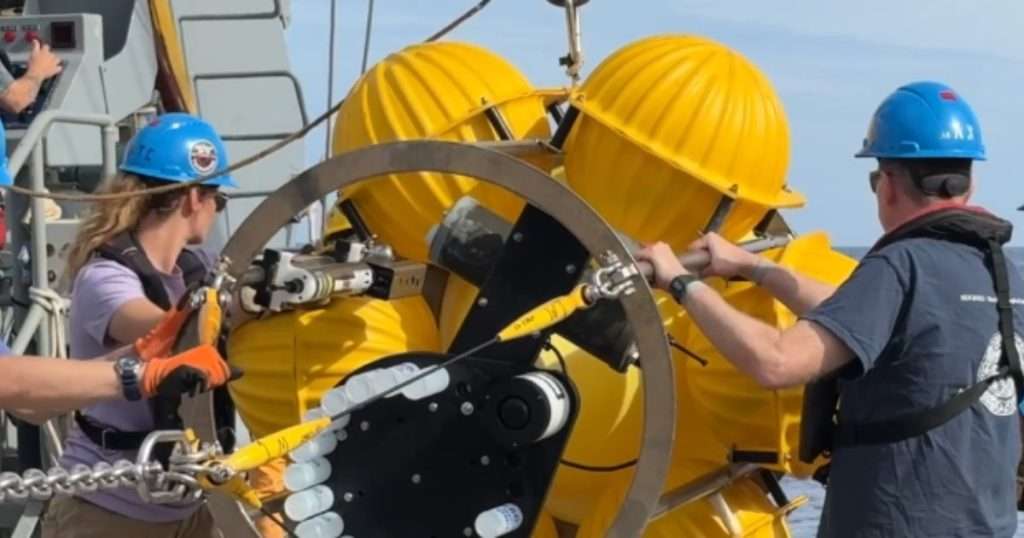
To investigate how much harbor porpoises are eating in the area, researchers used Passive Acoustic Monitoring (PAM). Researchers worked with the harbor patrol crew from the Port of Prince Rupert to deploy Full Waveform Porpoise Detectors (or F-PODs) in the water for up to five months at a time. This allowed them to detect the high-frequency echolocation clicks produced by porpoises as they communicate with one another and hunt prey.
By analyzing approximately three years of harbor porpoise acoustic data overlaid with local vessel traffic volumes, researchers assessed how the proportion of times porpoises caught prey changed depending on both the types and speeds of vessels traveling within approximately one kilometer of the porpoise detectors. Echoing other studies, researchers found that porpoises echolocated less when more vessels were present. Fast vessels (i.e., those travelling more than 12 knots), ferries, and tugs corresponded with a significant reduction in porpoise feeding.
For other echolocating whales on the BC coast, including the endangered Southern Resident killer whale population, voluntary vessel slowdowns have been shown to reduce the sound intensity from vessels by up to 50% . This, in turn, has seen an increase in foraging behavior from Southern Residents.
This study was generously funded by DP World Canada, Fisheries and Oceans Canada, and the Prince Rupert Port Authority.
“Even brief noise can cost harbor porpoises a meal—and their survival. This new research from Ocean Wise supports global efforts to reduce vessel impacts and protect marine mammals,” said Lasse Gustavsson, CEO and President of Ocean Wise.
“Harbor porpoises live on a nutritional knife-edge, and any disruption to their feeding can have lasting impacts. While they’re a familiar sight here, the large groups we see in Prince Rupert are rare elsewhere in B.C.—making these waters especially important. Small changes in how we operate vessels could make a big difference for these elusive mammals and the health of our coastal ecosystem,” said Karina Dracott, Vice President of the North Coast Ecology Centre Society and study lead author.